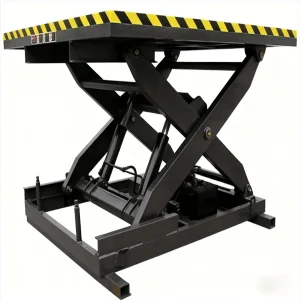
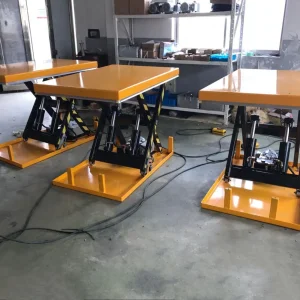
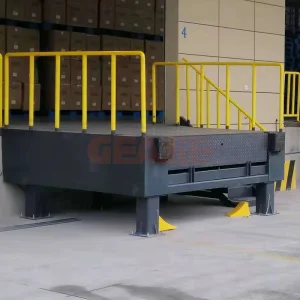
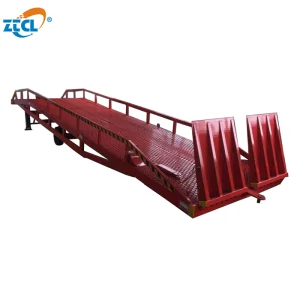
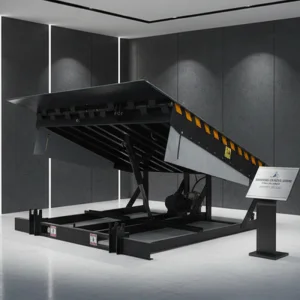
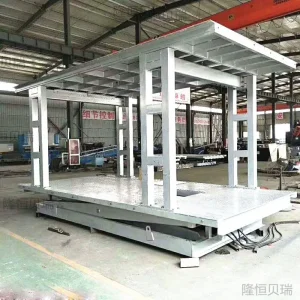
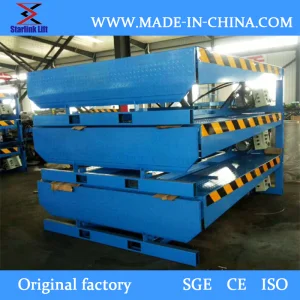
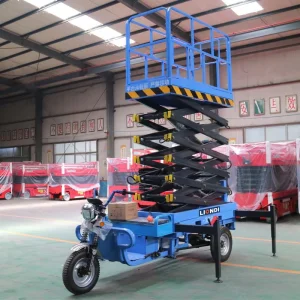
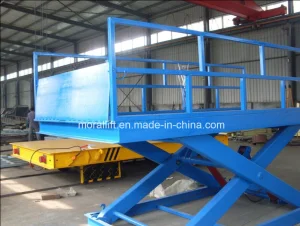
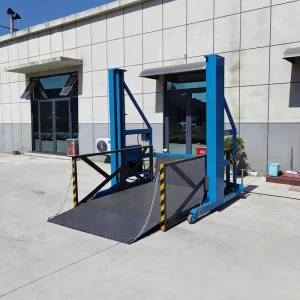
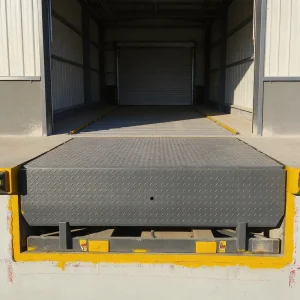
Explore our cutting-edge range of hydraulic platforms, loading bridges, and custom industrial cargo lifts.
Understanding the micro-trends and structural engineering evolution driving global industrial mobility.
The global high-capacity lifting equipment sector is undergoing a profound structural shift. Driven by the rapid automation of warehouses, the proliferation of global port infrastructures, and the stringent occupational health and safety (OHS) regulations across Europe and North America, B2B procurement demands have evolved far beyond standard catalog purchases. Contemporary heavy industries require highly adapted, structurally validated material handling units capable of continuous uptime in harsh environments.
Several macro forces are driving the modern engineering requirements of lift platforms and boarding bridges:
Google's Search Quality Rater Guidelines heavily favor content demonstrating E-E-A-T (Experience, Expertise, Authoritativeness, and Trustworthiness). By documenting the precise engineering math, structural steel selections (such as ASTM A36 or Q345B), and showcasing authentic design validation procedures, this whitepaper provides "Information Gain" that search engine algorithms favor.
A deep look into our vertical integration, industrial machinery assets, and strict quality control processes.
Specializing in the international trade and dedicated manufacturing of premium lifting equipment, Shandong Benefits Machinery Co., Ltd. stands as a benchmark global supplier. The company is committed to exporting high-quality lifting platforms, mobile boarding bridges, fixed boarding bridges, and specialty aerial lifts to a diverse array of international destinations.
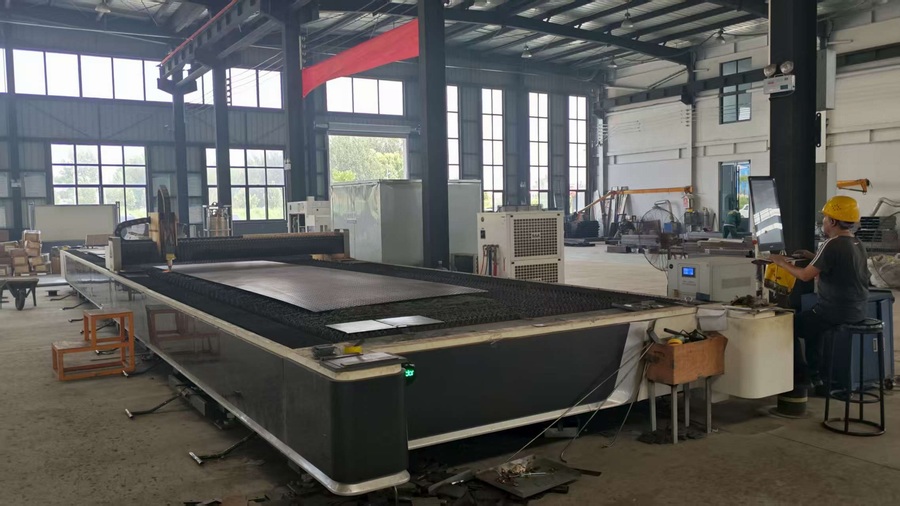
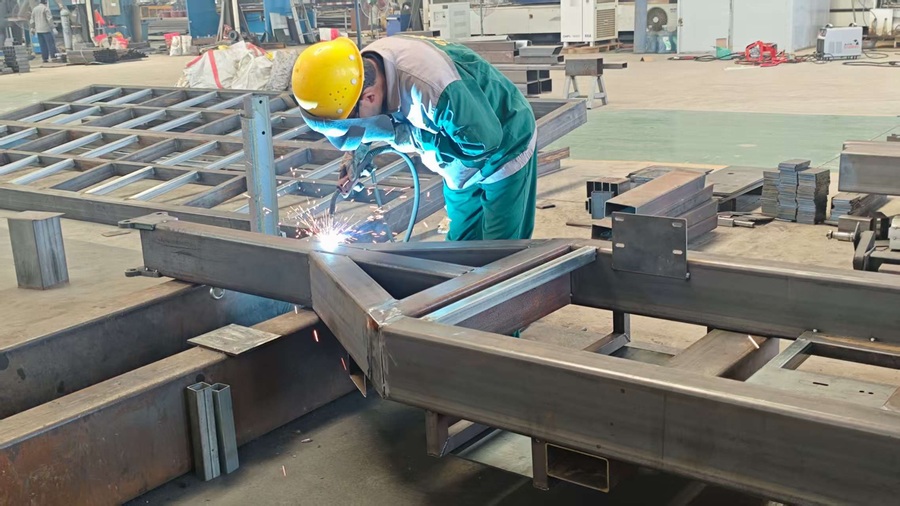
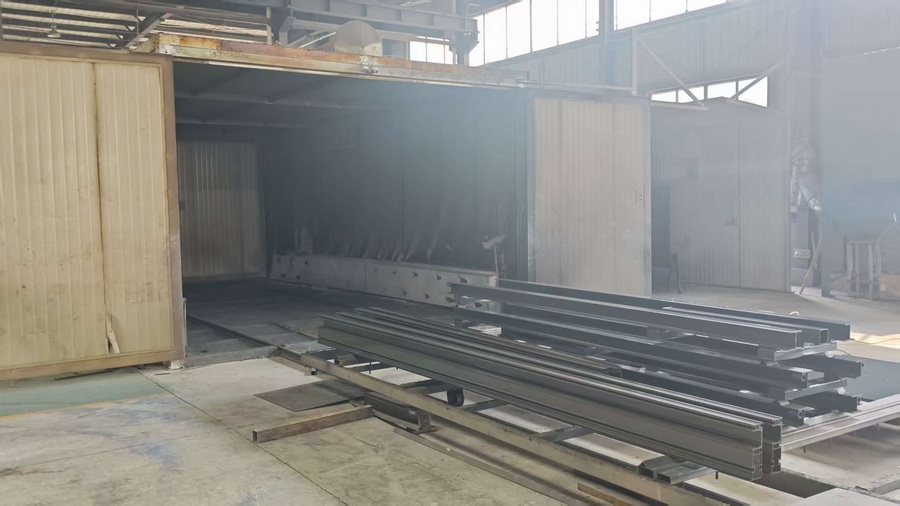
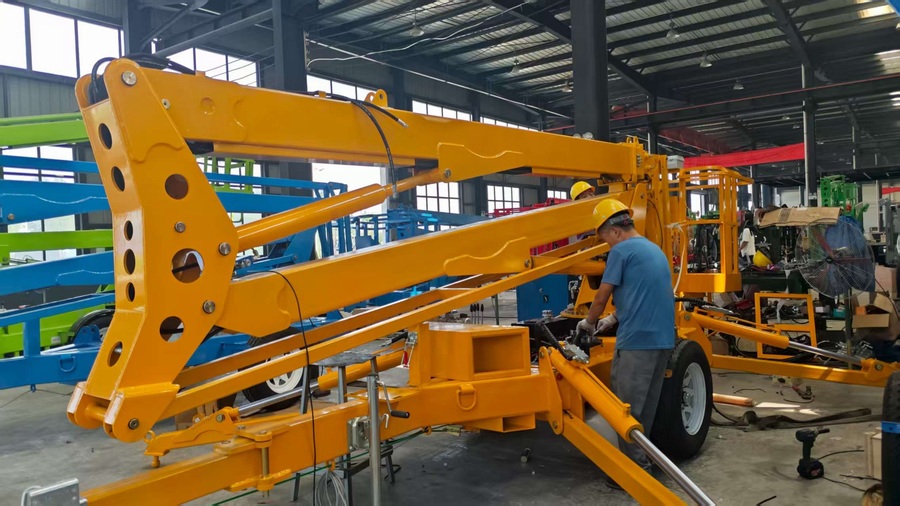
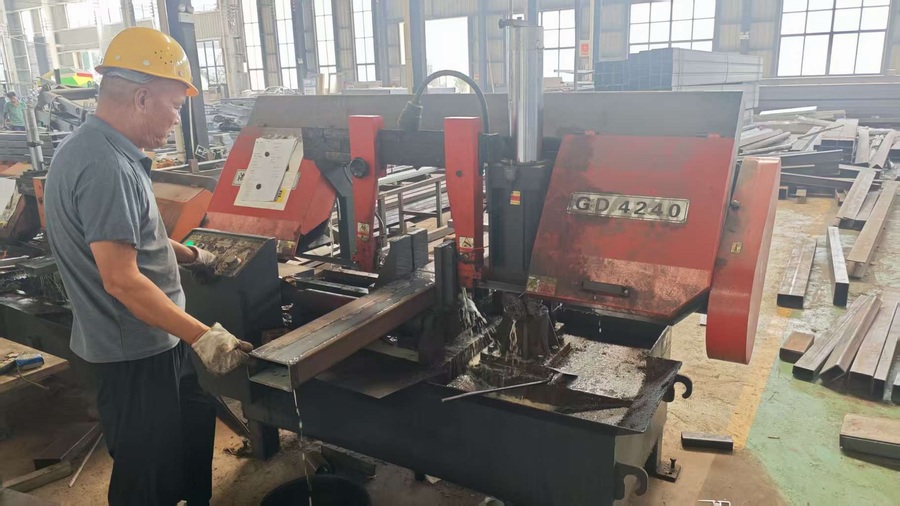
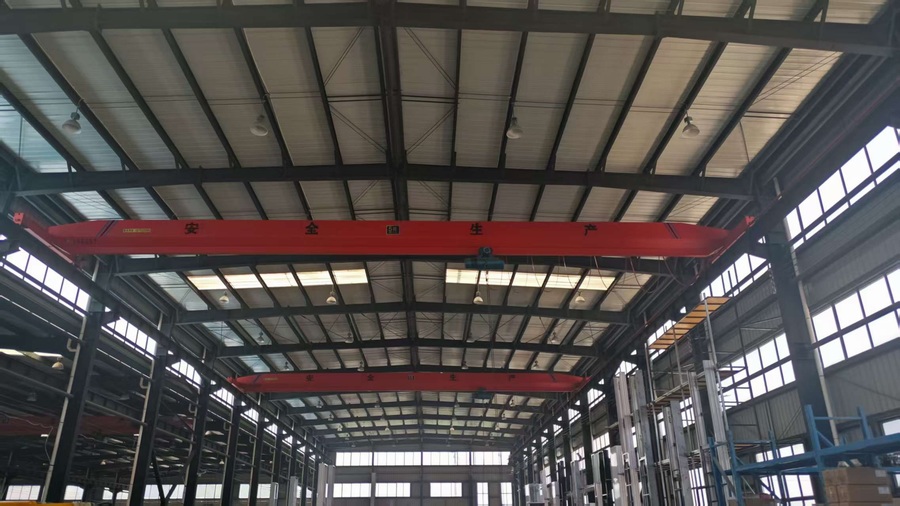
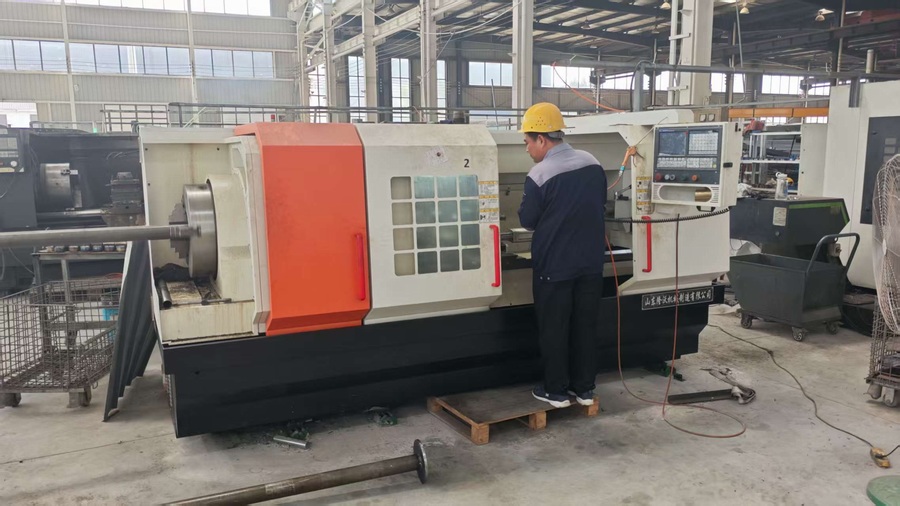
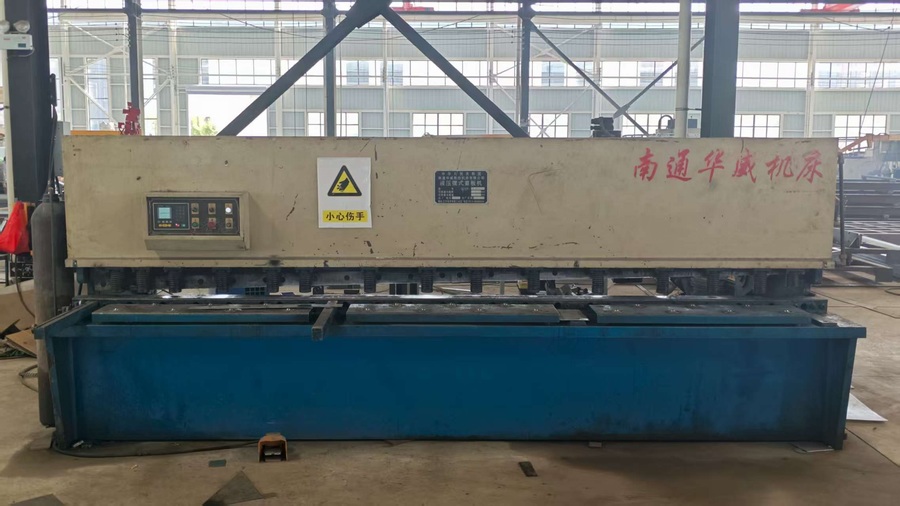
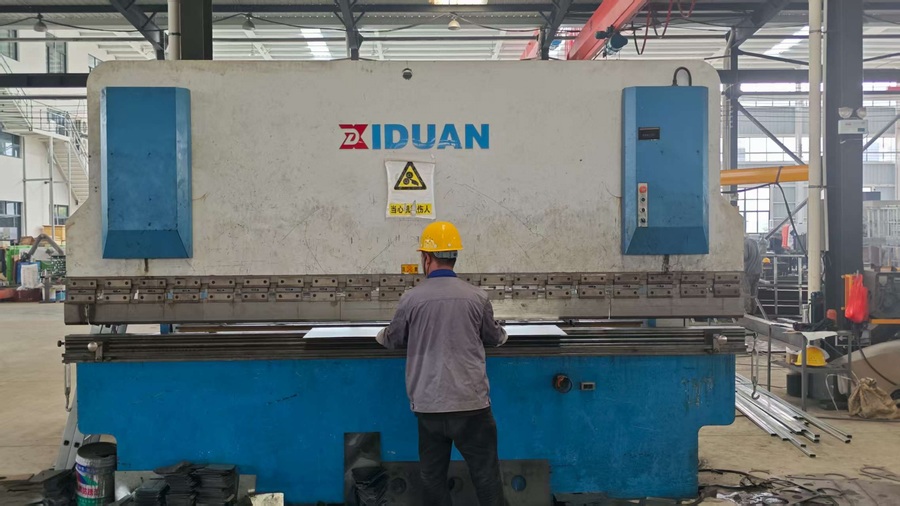
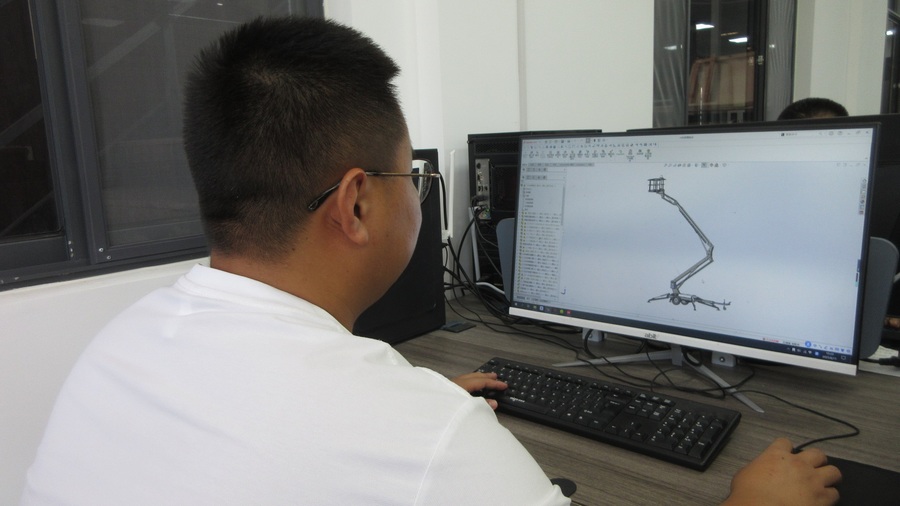
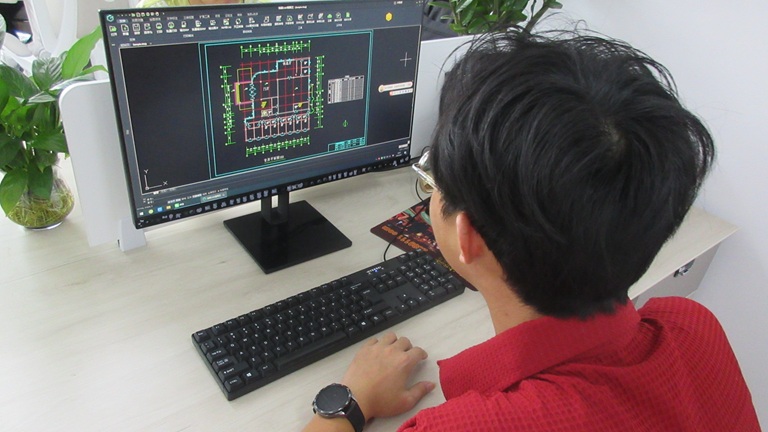
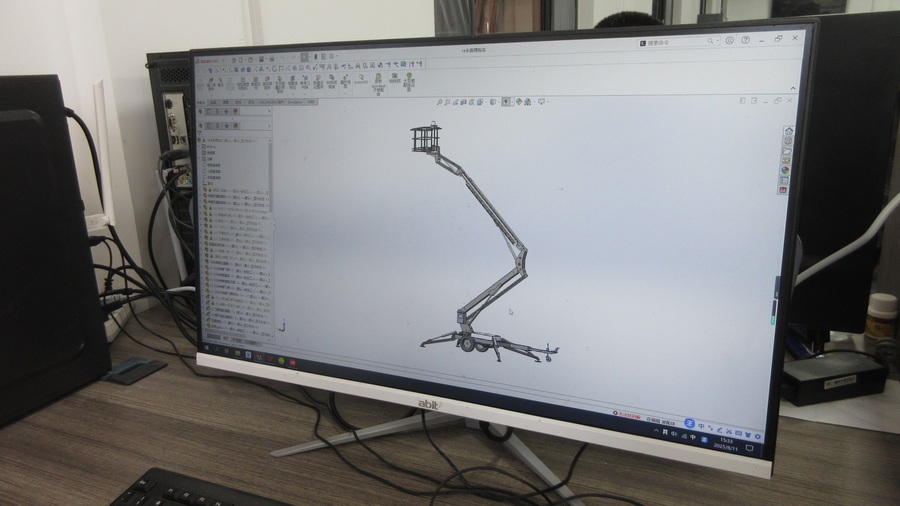
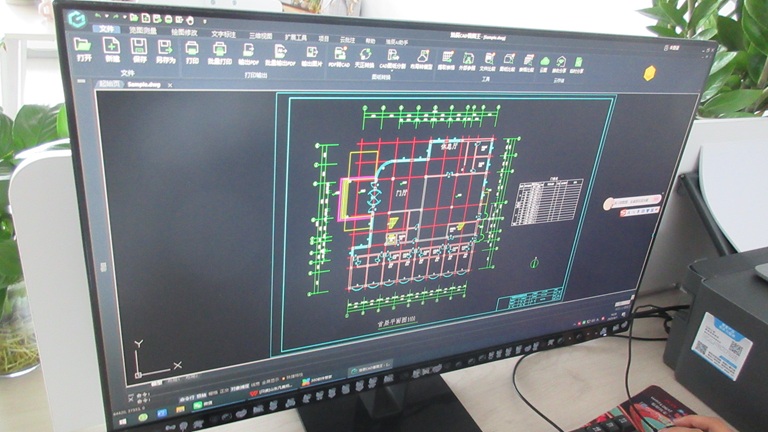
Unlike pure trading entities, Shandong Benefits Machinery integrates comprehensive fabrication facilities with modern Computer-Aided Design (CAD) and Finite Element Analysis (FEA) workflows. This ensures every piece of heavy machinery can handle real-world stress limits. Below is an overview of the core manufacturing processes implemented inside our modern facility:
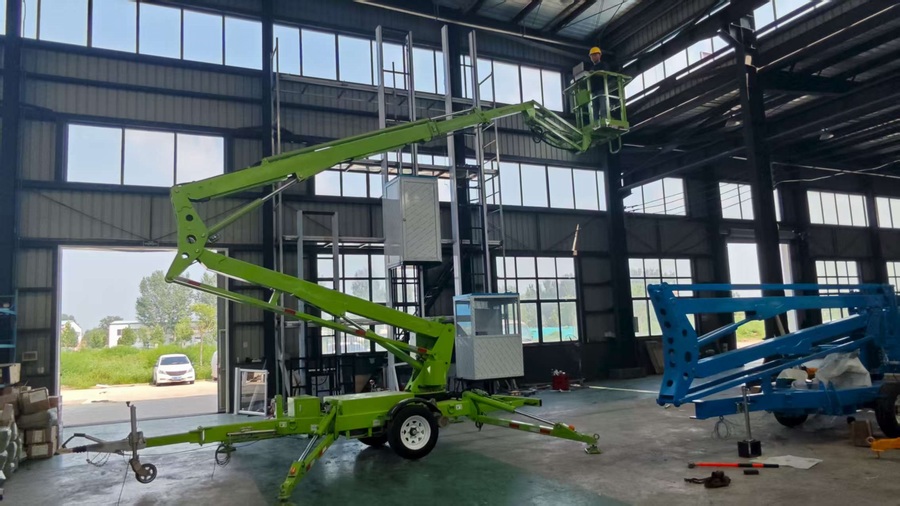
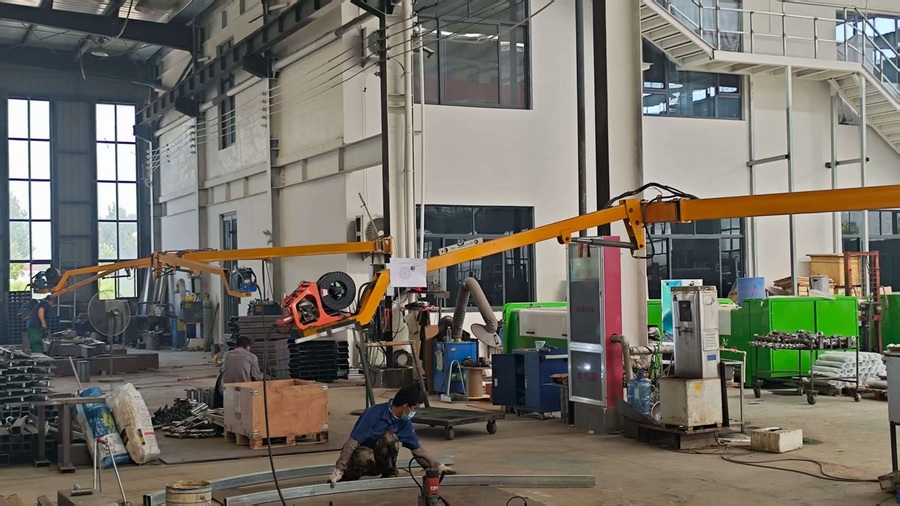
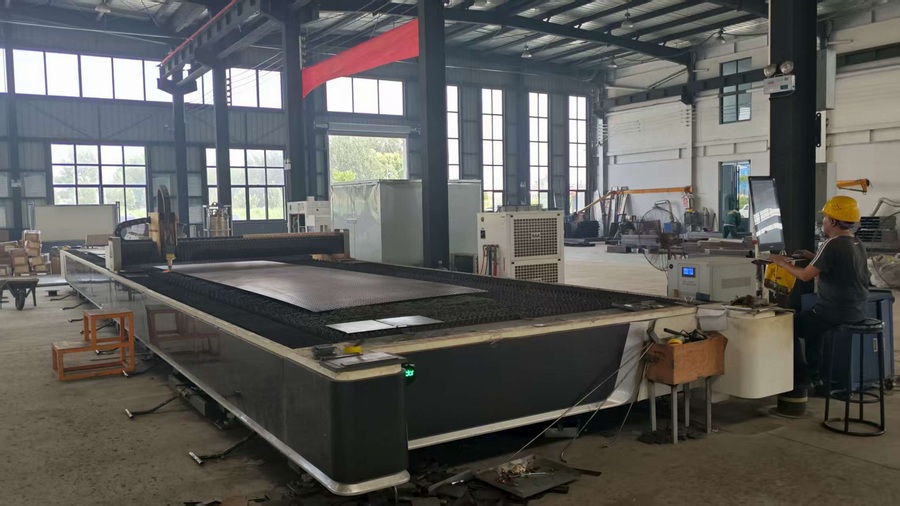
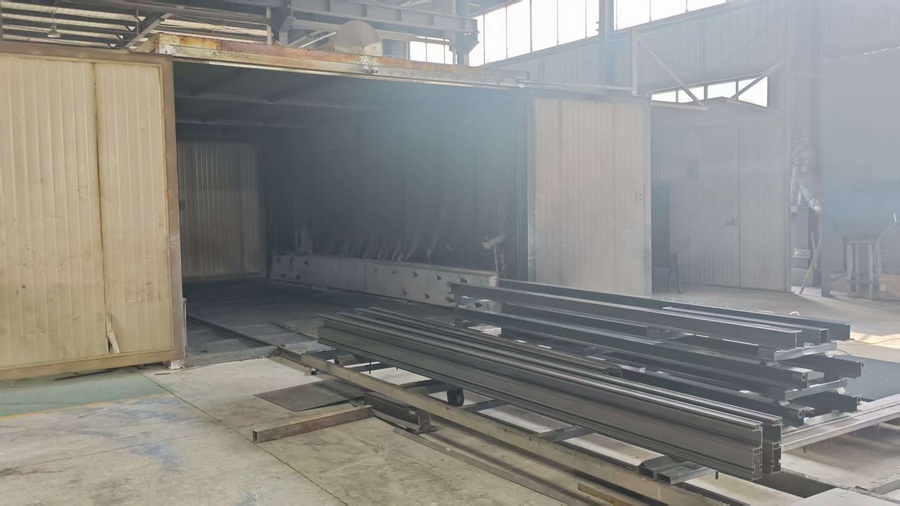
Understanding structural steel specifications, hydraulic safety mechanisms, and design variables.
The base of any high-capacity platform lift lies in its material composition. Under dynamic stress conditions (such as a 10-ton forklift driving over a dock leveler with a loaded pallet), the steel deck undergoes high cyclic loading. At Shandong Benefits Machinery, we utilize high-strength structural steel grades like Q345B (equivalent to ASTM A572 Grade 50) and Q235B.
These steels provide a yield strength of 345 MPa and 235 MPa respectively, ensuring the lift structures do not experience plastic deformation under peak load strains. Our automated CNC folding and plate shearing machines form precision-bent structural channels that distribute weight evenly, avoiding stress focal points.
High capacity implies significant hydraulic pressure. Our engineers integrate advanced manifold systems fitted with:
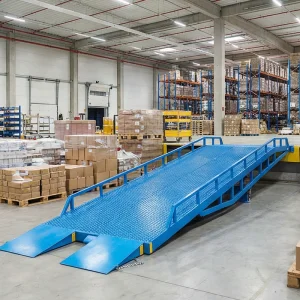
Every warehouse, distribution hub, and construction site presents unique spatial constraints. Our design department employs sophisticated modeling software to validate changes in deck length, lip length, overall ramp inclination angles, and surface coatings. Whether designing an accessible platform lift with safety enclosures or an 8-35 ton container loading ramp, we calculate every mechanical variable before issuing production blueprints.
The convergence of IoT diagnostics, predictive maintenance, and clean energy operation.
The next decade of vertical material handling equipment will be dominated by intelligence and safety compliance. Standard lift platforms will transition from basic static machinery to integrated data points within industrial warehouses. Here is our technological development roadmap:
By embedding vibration sensors, temperature probes on hydraulic oil sumps, and digital pressure transducers in the cylinder lines, we can monitor machine performance in real-time. Operators receive predictive maintenance alerts before a seal fails or oil viscosity degrades, minimizing unexpected downtime in busy hubs.
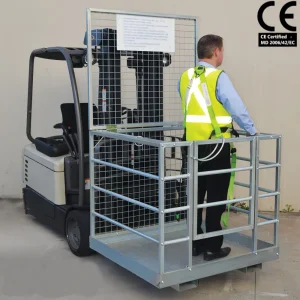
Corrosion is the primary driver of structural degradation in outdoor logistics systems. To combat this, we have upgraded our painting room processes to incorporate sandblasting surface preparation (SA2.5 standard) followed by multi-coat polyurethane and hot-dip galvanization for high-humidity and marine environments. This is particularly crucial for heavy-duty galvanized forklift safety cages and mobile loading ramps exposed to coastal salt spray.
As autonomous mobile robots (AMRs) and automated guided vehicles (AGVs) become standard in modern warehouses, dock levelers must integrate electronic controls. Our upcoming models feature digital I/O modules that interface directly with warehouse management systems (WMS). This ensures dock doors, levelers, and safety lights coordinate to permit loading operations only when a trailer is securely locked in place.
Get immediate answers to structural specifications, sourcing logistics, and customization possibilities.
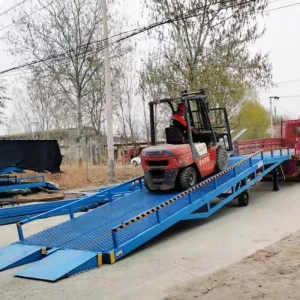
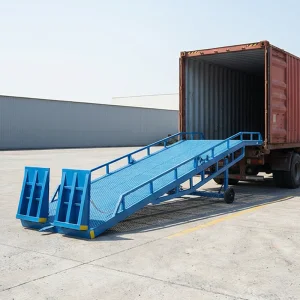
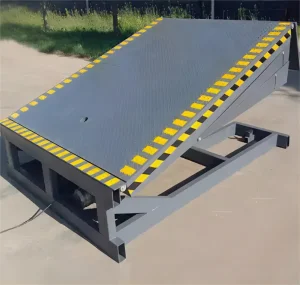
Choose from our dynamic fleet of container loading ramps, mobile dock bridges, and heavy duty scissor lifts.
 Benefits Machinery