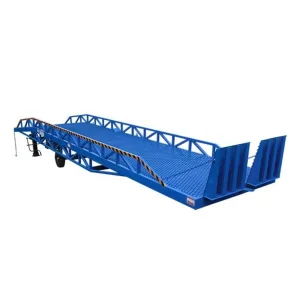
Engineered for seamless loading operations at Malabo, Bata, and Luba Freeport. High-capacity mobile dock ramps designed to withstand high humidity and marine environments.
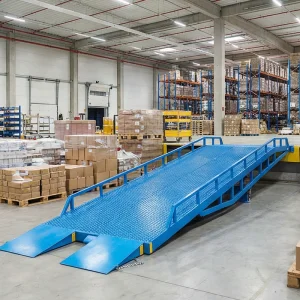
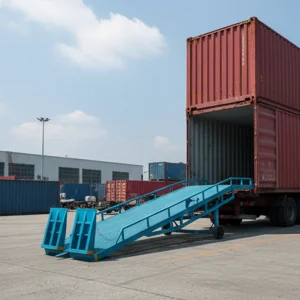
Equatorial Guinea's strategic location in the Gulf of Guinea positions it as an essential logistical hub for Central Africa. With ports such as the Port of Bata, the Port of Malabo, and the deepwater Luba Freeport, the country's import and export pipelines demand highly efficient container handling processes. Historically dependent on oil and gas exports, the nation's economic diversification agenda has catalyzed growth in agriculture, forestry, manufacturing, and general commerce. Crucial to this diversification is the optimization of warehouse operations and ship-to-shore freight transfers.
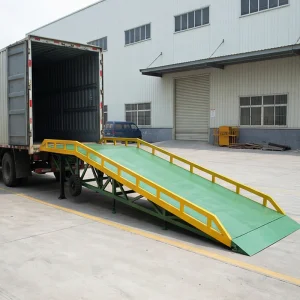
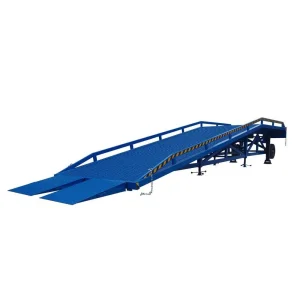
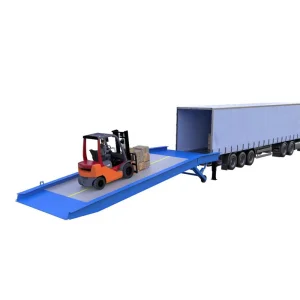
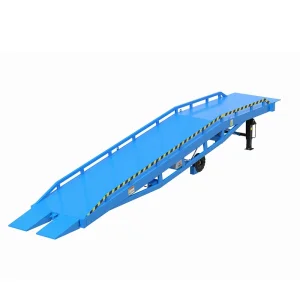
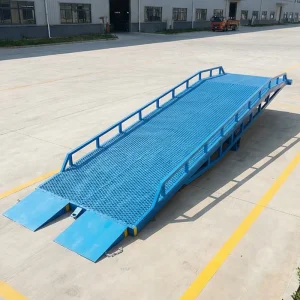
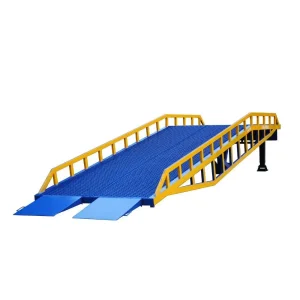
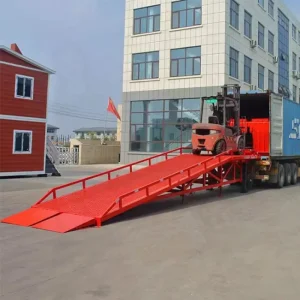
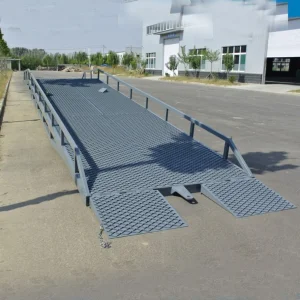
Portable truck boarding bridges serve as a mechanical linchpin in this logistics chain. By bridging the gap between uneven ground levels and truck trailer beds, they eliminate the need for fixed docking bays, granting logistics managers unprecedented operational flexibility. Whether unloading imported heavy machinery in Malabo or dispatching timber products from Bata, mobile ramps dramatically reduce truck turnaround times, prevent cargo damage, and ensure compliance with modern occupational safety protocols.
“For operations in Equatorial Guinea, equipment longevity requires structural integrity that resists intense maritime salt air, extreme tropical temperatures, and torrential seasonal rains.”
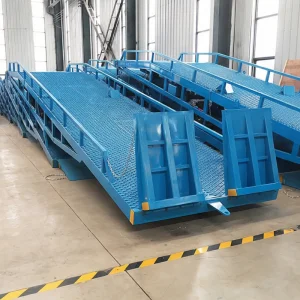
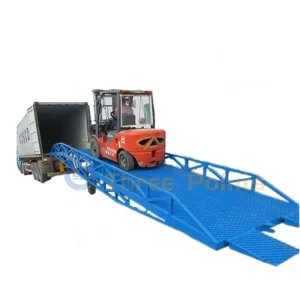
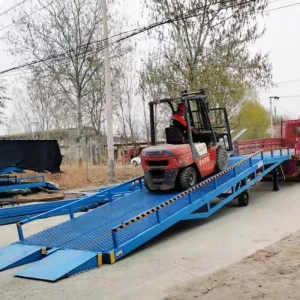
To survive the harsh humid environment of Equatorial Guinea, structural engineering must exceed domestic industrial standards. The primary girders of our mobile boarding bridges are constructed using high-yield carbon steel. This structural choice prevents localized deformation under extreme dynamic loads, particularly when forklifts accelerate upwards onto the ramp slope.
The operational landscape of Equatorial Guinea presents unique challenges across different vertical industries:
1. Maritime Port Operations (Malabo & Bata): Container ports handle diverse general cargo. Because container chassis heights vary globally (ranging from 1.1 meters to 1.7 meters), fixed concrete docks lead to operational bottlenecks. A mobile boarding ramp acts as an adaptable, movable loading dock that can be repositioned across the port terminal to address sudden volume spikes.
2. Forestry and Timber Processing: The timber industry requires loading heavy, dense log packages into shipping containers. This places intense, concentrated loads on ramp decks. The 20-ton to 35-ton high-capacity boarding bridges are explicitly engineered with dense transverse support rib spacing to absorb these high-impact forces.
3. Petrochemical Support Warehousing: Supporting offshore oil rigs requires strict explosion-proof and spark-free loading protocols. Our manual hydraulic boarding bridges operate without any electrical grid connection, eliminating electrical ignition hazards in volatile environments.
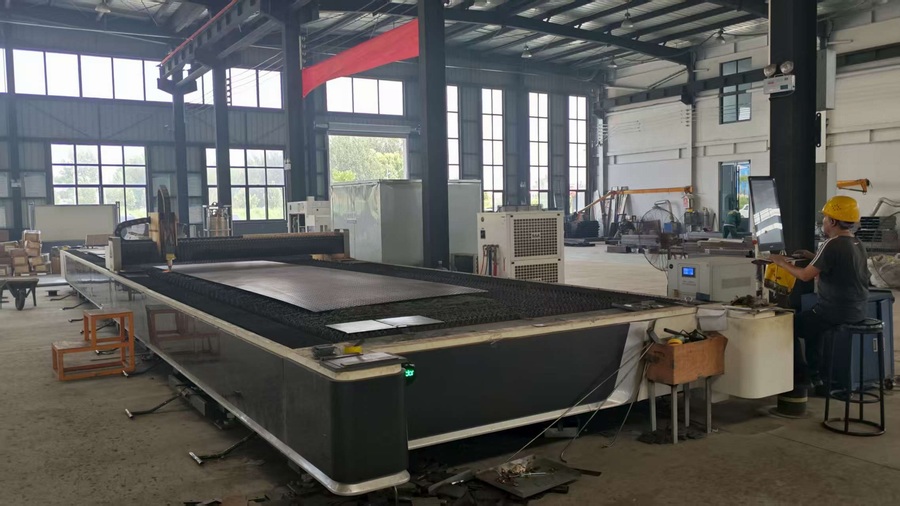
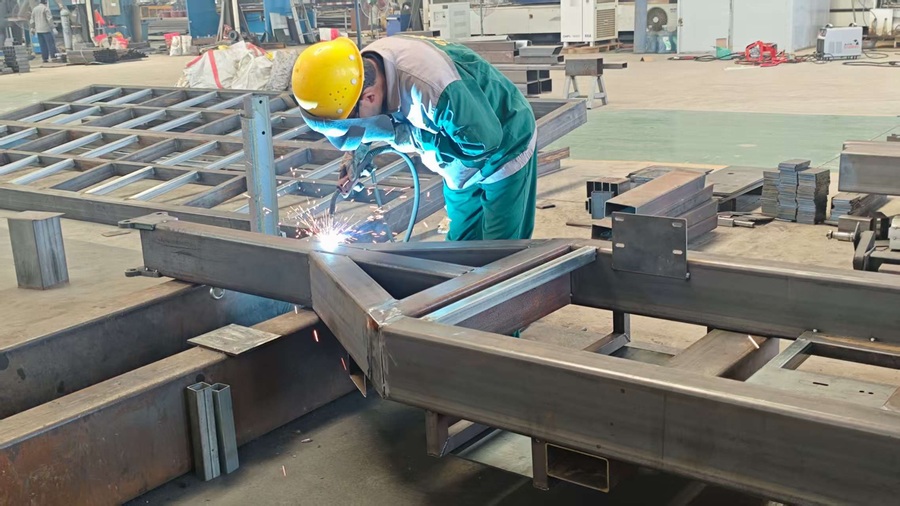
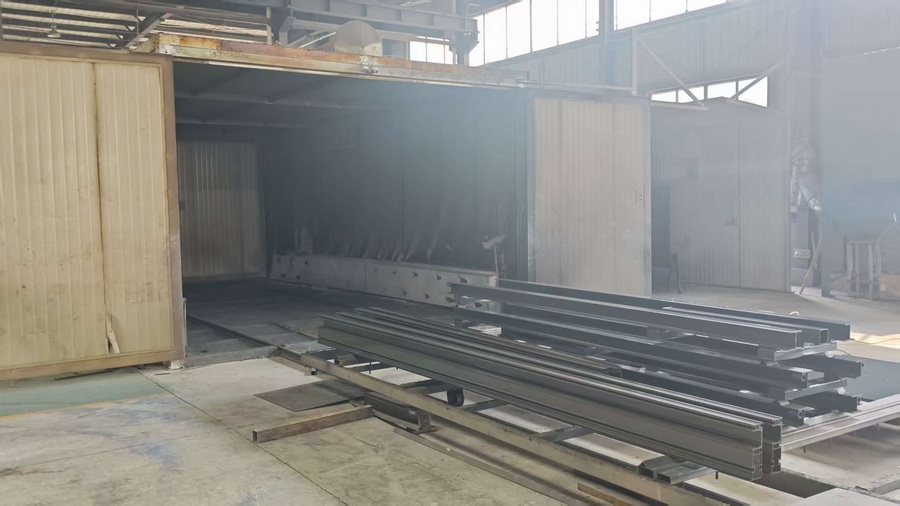
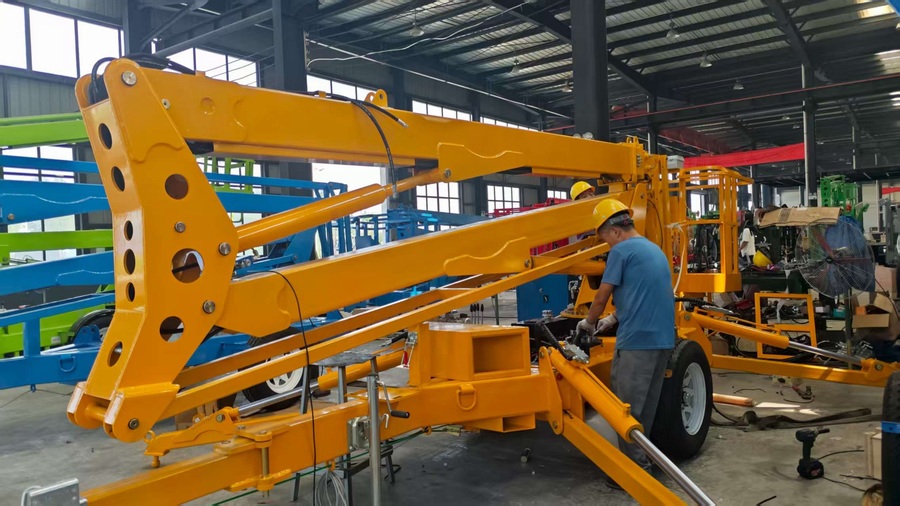
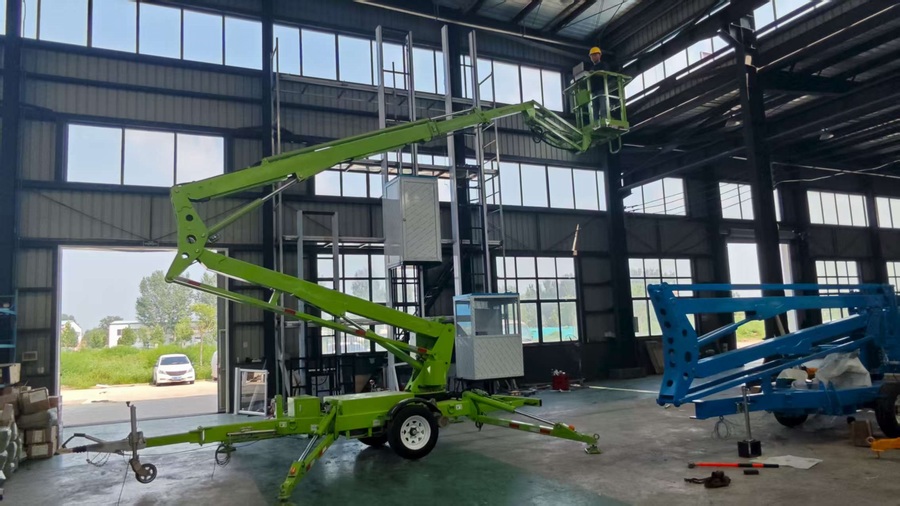
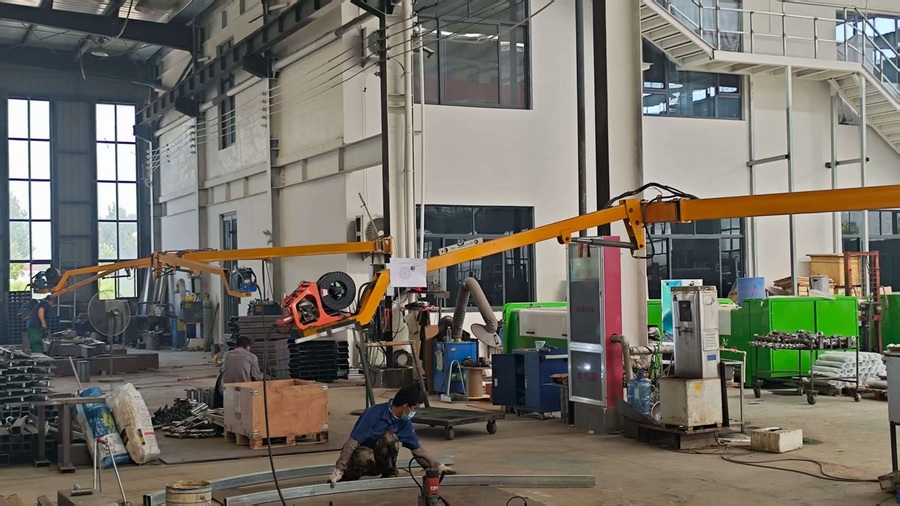
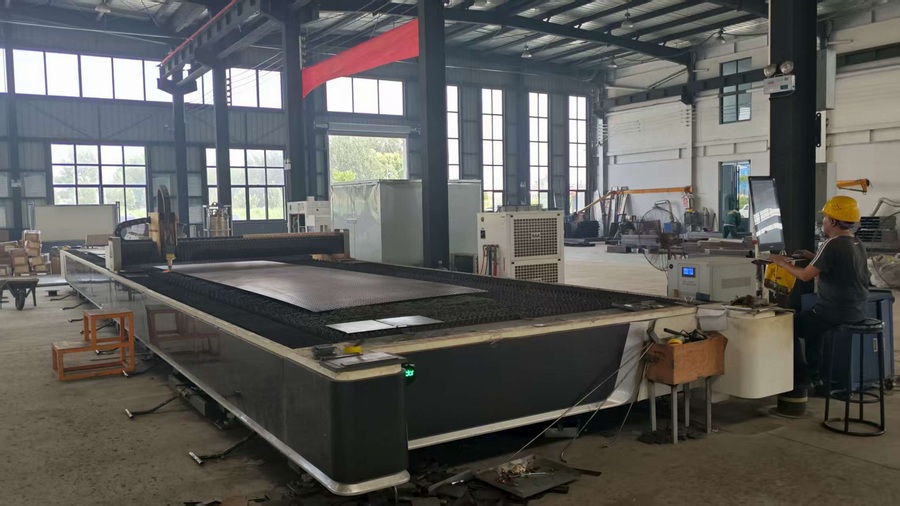
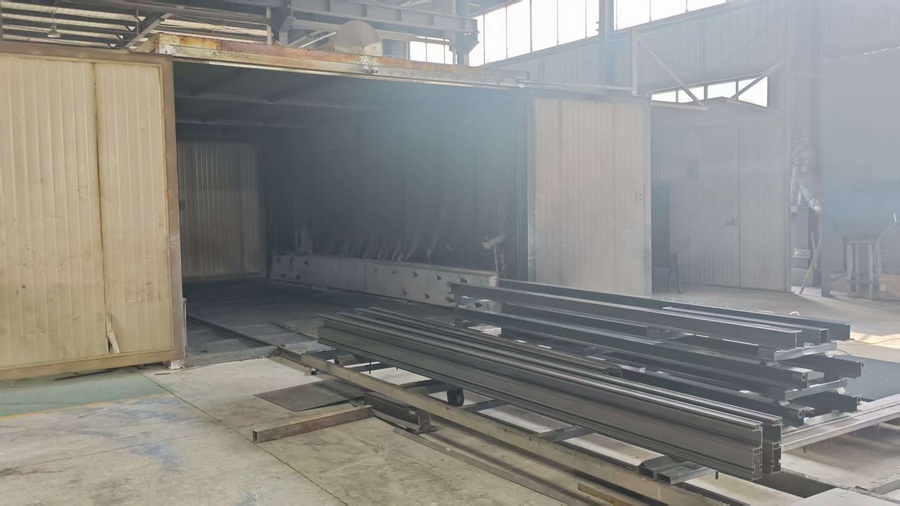
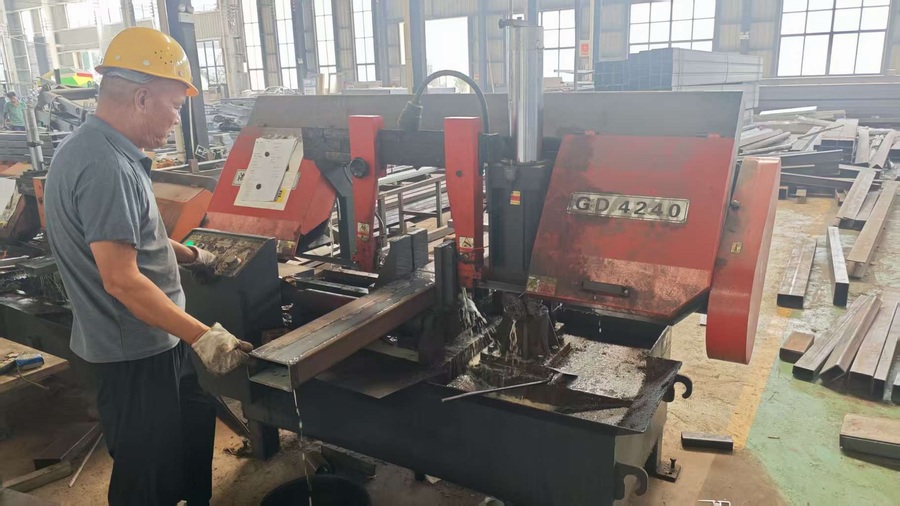
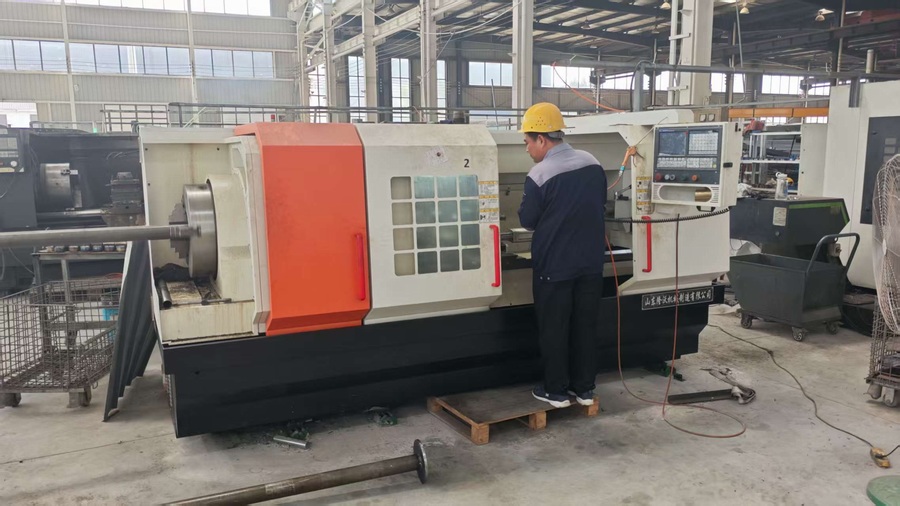
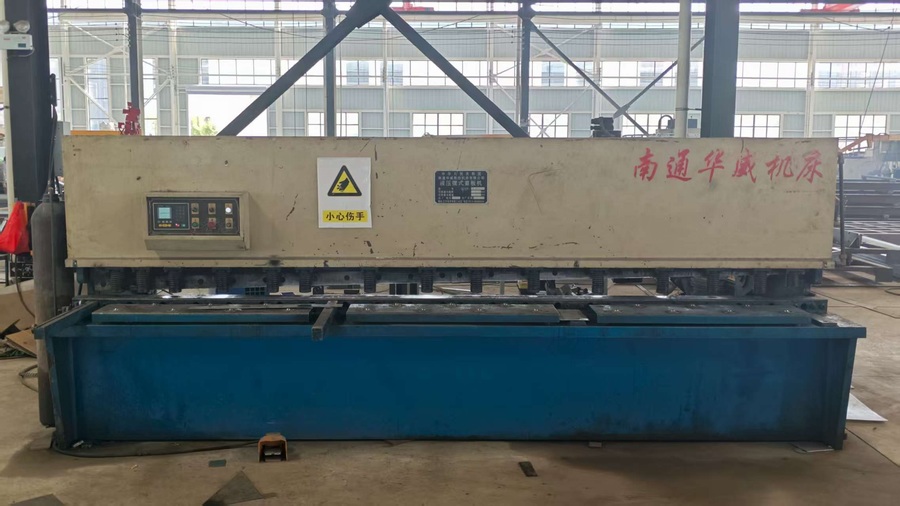
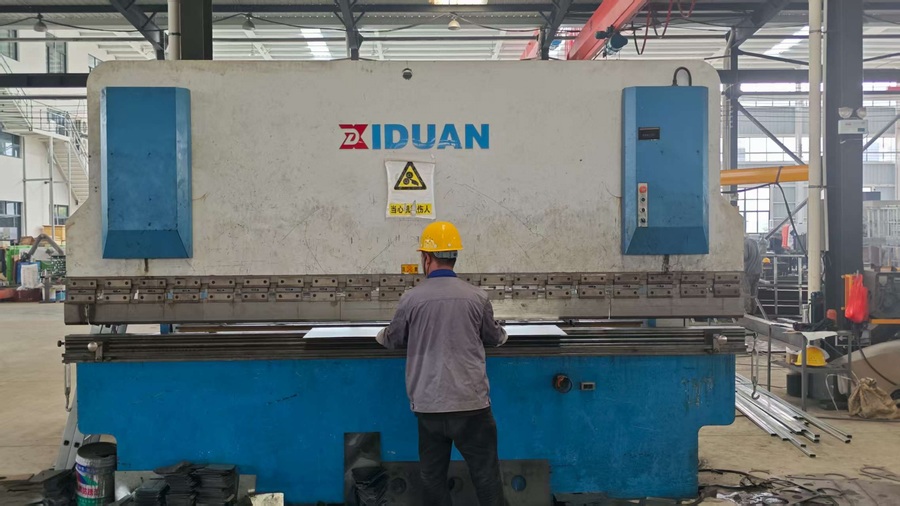
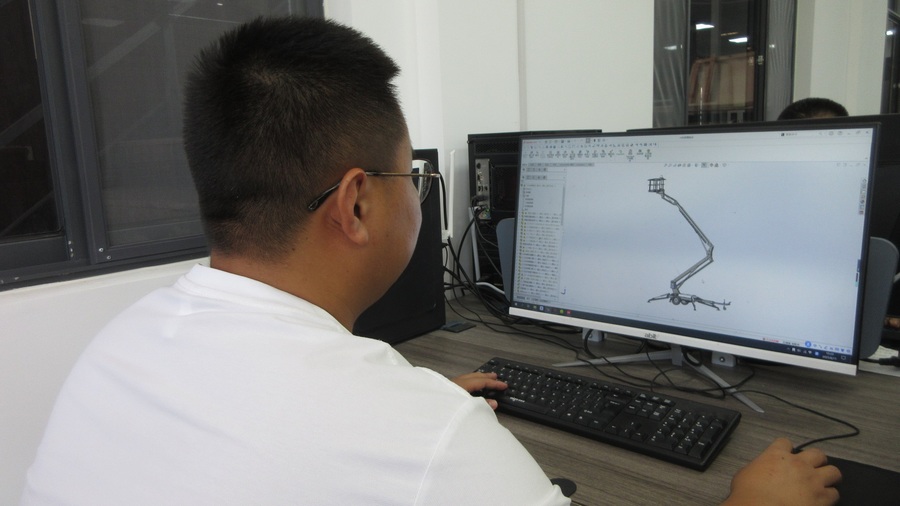
As a leading global supplier of lifting equipment, Shandong Benefits Machinery Co., Ltd. has established a highly automated production infrastructure. Utilizing CNC laser cutting machines, automated robotic welding stations, and specialized cleanroom painting chambers, the brand guarantees manufacturing precision down to the millimeter. This industrial process minimizes human error, resulting in boarding bridges with a projected operational lifetime exceeding 12 years under daily operational stress.
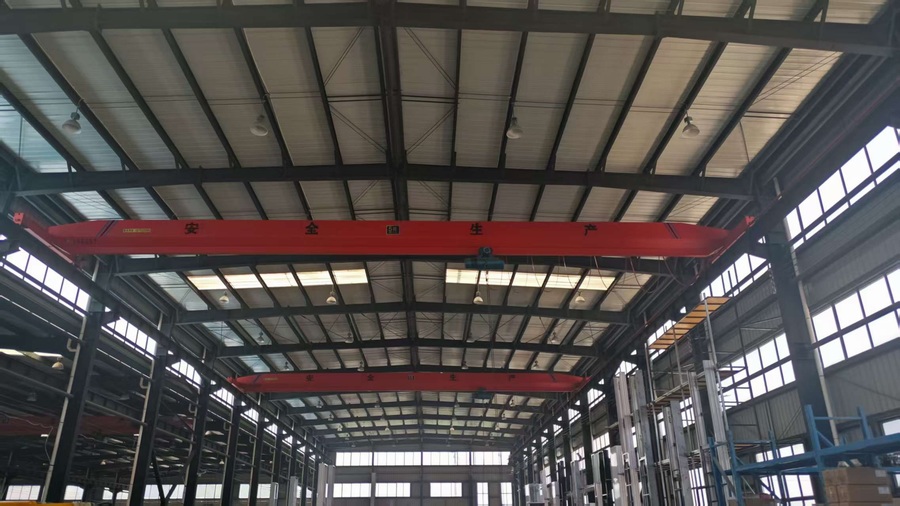
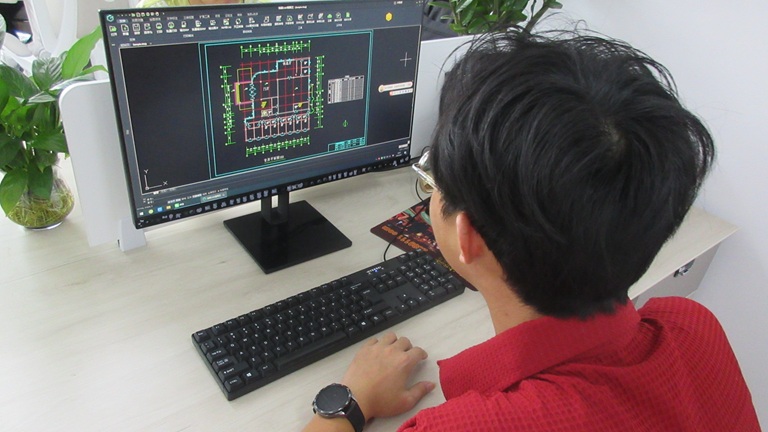
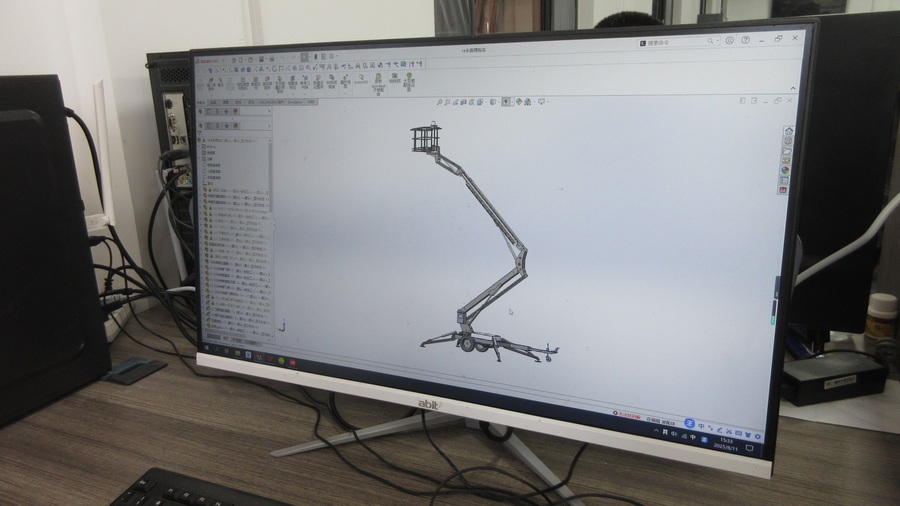
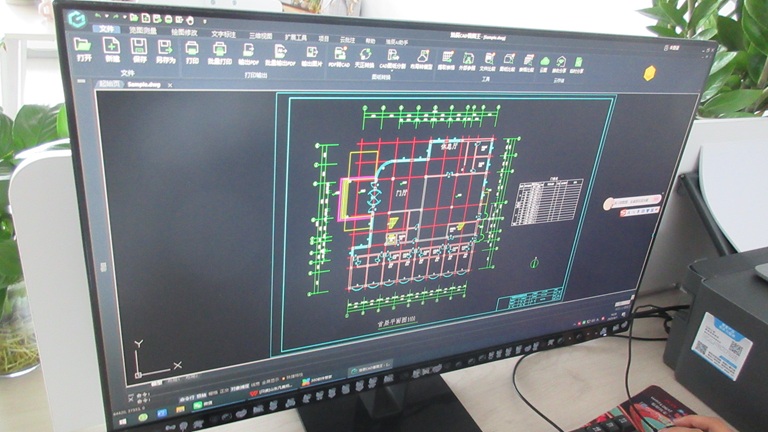
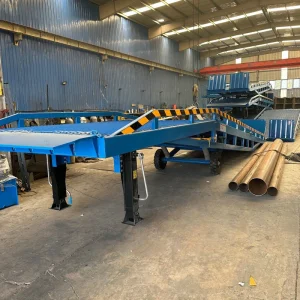
A transparent look inside our manufacturing facility. From conceptual CAD design to physical stress testing, every step of our fabrication pipeline is optimized for maximum structural reliability.
Get answers to key technical, logistical, and operational considerations when importing mobile boarding bridges to Equatorial Guinea.
Explore our full range of heavy-duty mobile boarding bridges, container ramps, and hydraulic lifting platforms. Retaining direct URLs for customized procurement.
 Benefits Machinery