Our premier selection of material handling hardware, hydraulic leveling ramps, and aerial access units designed for heavy industrial throughput and logistics efficiency.
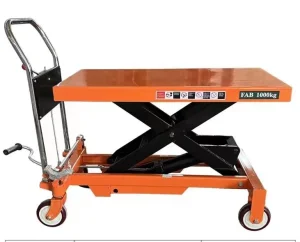
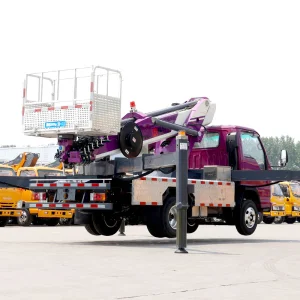
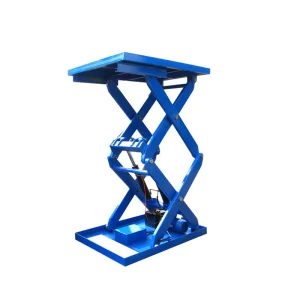
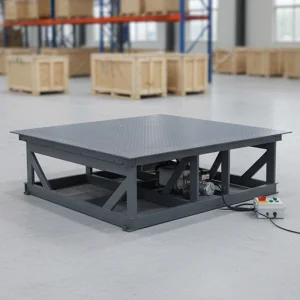
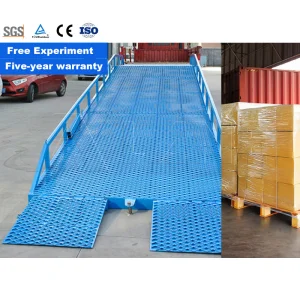
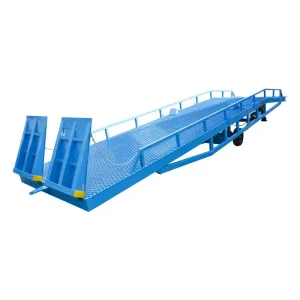
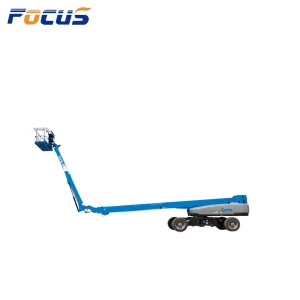
In modern industrial logistics, the efficiency of warehouses, container terminals, and manufacturing plants is fundamentally linked to the reliability of fixed lifting equipment. Selecting a top-tier factory and supplier is not merely a transaction of purchasing hardware; it is a critical engineering decision that dictates operational uptime, work environment safety, and supply chain scalability. Global enterprise buyers face an array of options in the heavy-duty machinery market, requiring strict adherence to international safety metrics, structural durability, and hydraulic systems engineering.
Information Gain Insight: According to international warehousing benchmarks, integrating high-performance hydraulic dock levelers and stationary scissor lifts reduces cycle loading times by up to 34% while reducing workplace safety incidents by over 45%. This document provides an objective analysis of manufacturing practices, local compliance frameworks, and procurement checklists.
This technical whitepaper outlines the structural parameters, metallurgical standards, hydraulic seal designs, and international compliance factors that define the world's leading heavy machinery suppliers. With specific case analyses focusing on advanced production clusters in China—notably exemplified by Shandong Benefits Machinery Co., Ltd.—we examine the engineering processes from raw structural steel fabrication to finished unit load testing.
A reputable fixed lifting equipment factory must be assessed on concrete engineering capabilities rather than superficial marketing metrics. Professional engineering directors prioritize the following four core vectors:
The structural framework of scissor mechanisms and dock levelers must utilize high-tensile structural steel, such as Q345B carbon steel. Low-grade steel under repeated cyclic loading exhibits structural fatigue, leading to micro-fractures along critical weldments. Leading factories implement Finite Element Analysis (FEA) to simulate load distributions under maximum capacity.
The hydraulic system is the lifeblood of lifting machinery. Top-tier suppliers use double-acting cylinders combined with premium sealing solutions (such as Japanese NOK seals) to prevent pressure loss and internal bypassing. Hydraulic power packs should feature IP55 rating protection with built-in overload bypass valves.
Uncontrolled descent protection is paramount. Elevating systems must be equipped with mechanical safety locks, emergency stop buttons on control panels, and hydraulic velocity fuses. Velocity fuses automatically lock the platform's position if a sudden drop in pressure occurs due to a ruptured line.
| Equipment Type | Critical Metallurgy Specs | Hydraulic Pressure Limits | Target Standard Compliance |
|---|---|---|---|
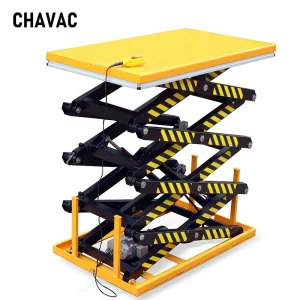
| Stationary Scissor Lifts | Q345B High-Tensile Steel | 16-20 MPa Operating Pressure | EN 1570-1 / CE / ISO9001 |
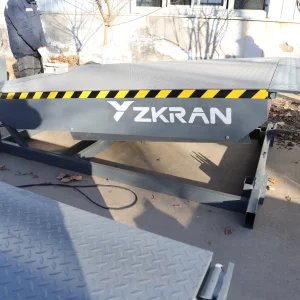
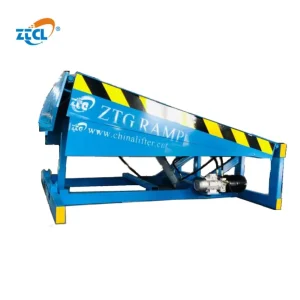
| Heavy-Duty Dock Levelers | 8-10mm Checkered Anti-Skid Deck | 21-25 MPa Operating Pressure | ANSI/ASME MH30.1 / CE |
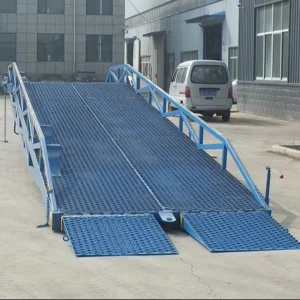
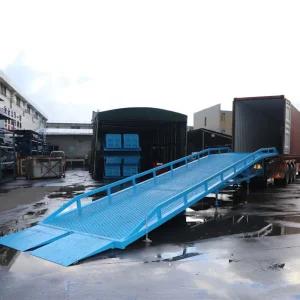
| Mobile Boarding Bridges | High-Strength Steel Truss Frame | Manual/Electric Dual Auxiliary Pump | ISO 9001 / SGS Inspected |
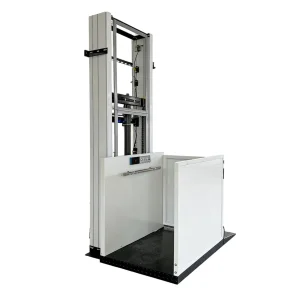
| Barrier-Free Platform Lifts | Aluminum Alloy & Stainless Steel | 12-14 MPa Valve Settings | ADA Compliant / EN 81-41 |
Shandong Benefits Machinery Co., Ltd. specializes in the international trade of lifting equipment and related machinery. The company exports high-quality lifting platforms, mobile boarding bridges, fixed boarding bridges, and custom industrial elevators worldwide. Committed to becoming a leading global supplier, Shandong Benefits Machinery relies on strict quality control systems and modern production machinery to deliver high-performance equipment.
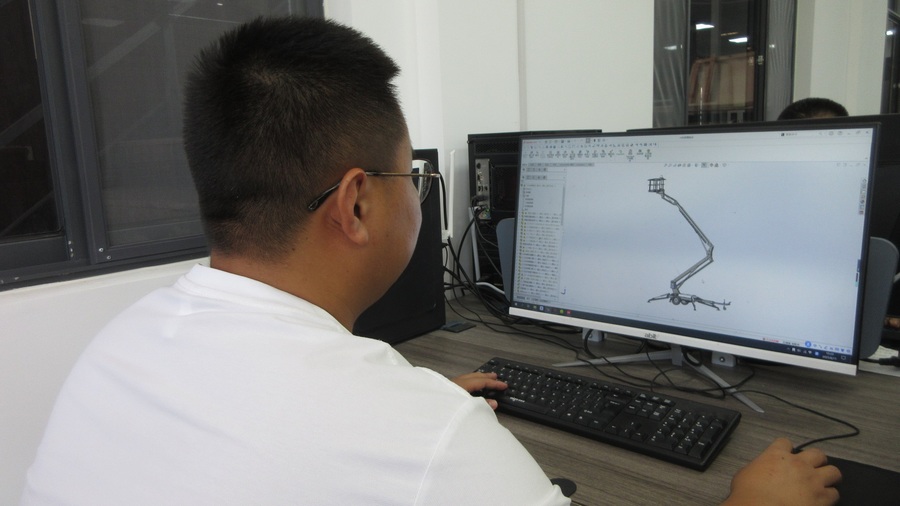
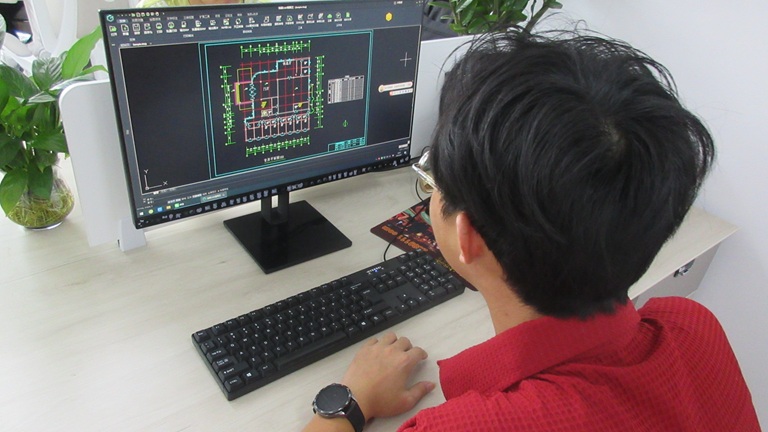
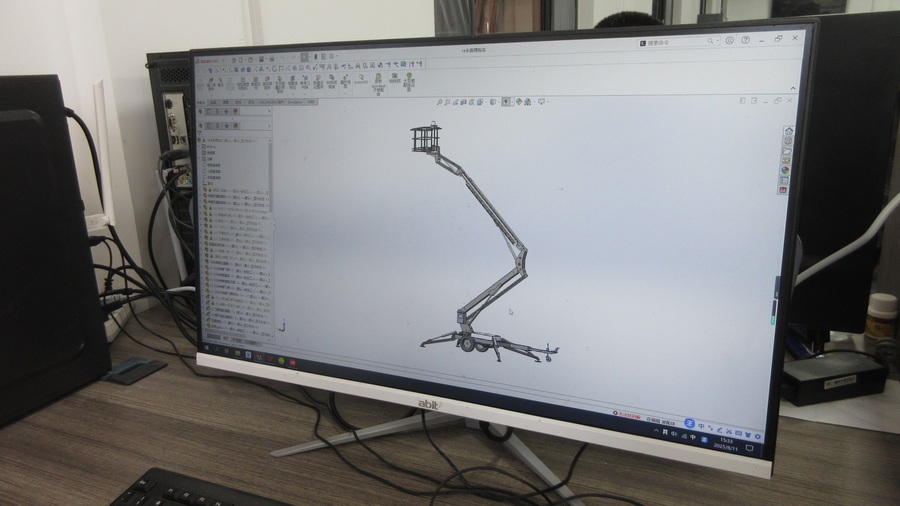
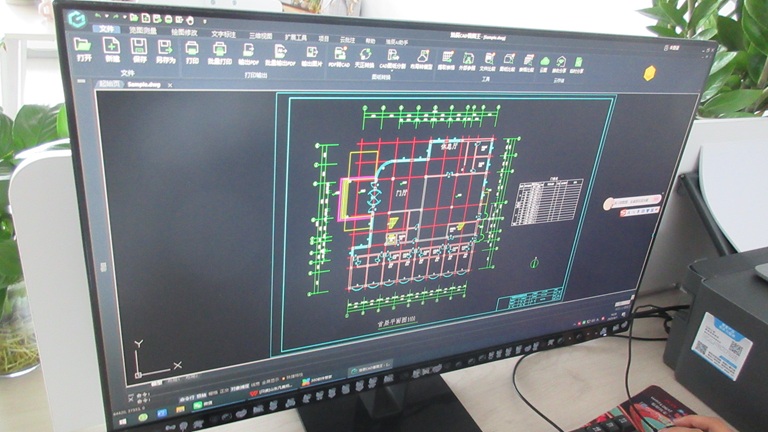
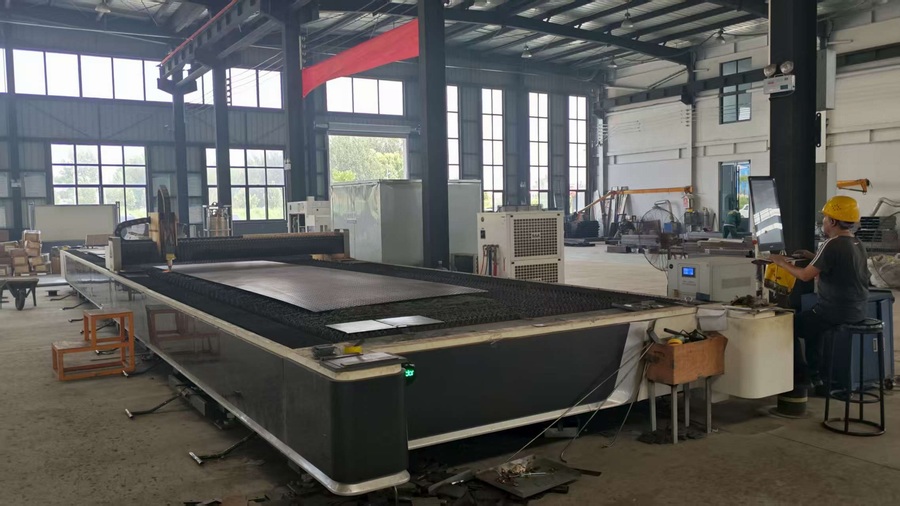
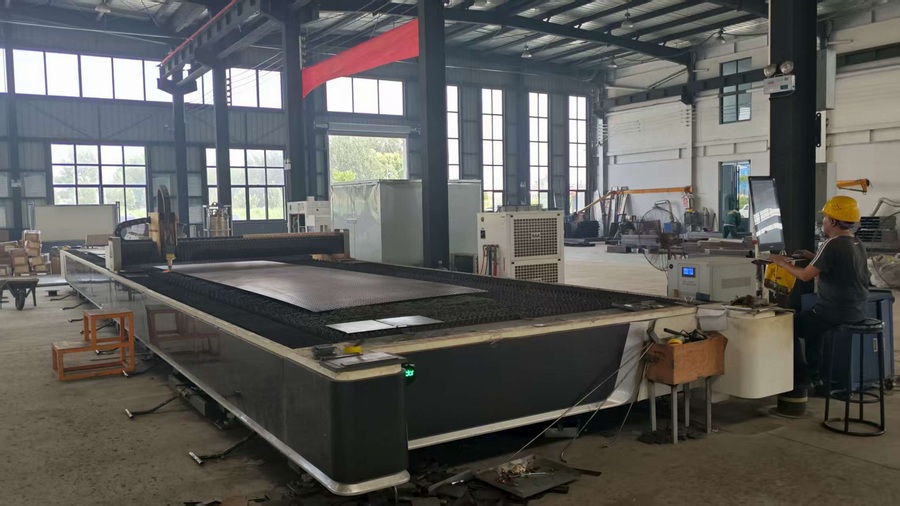
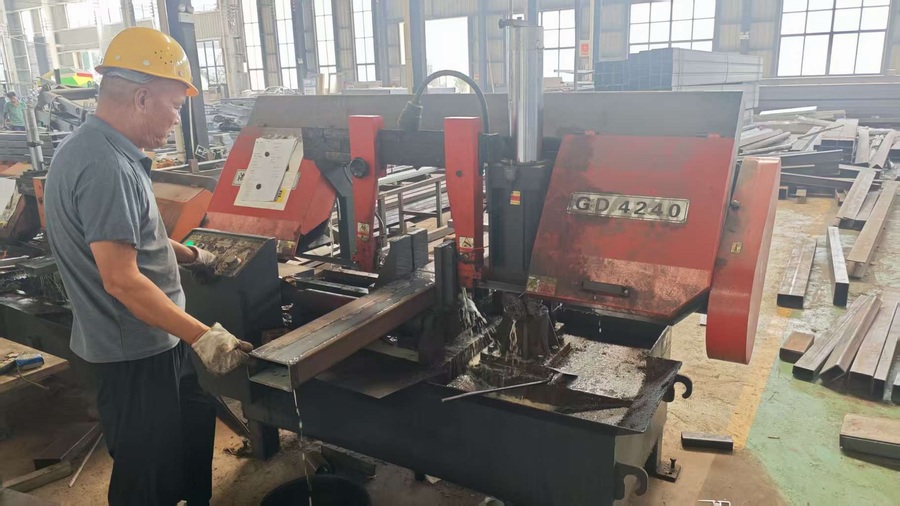
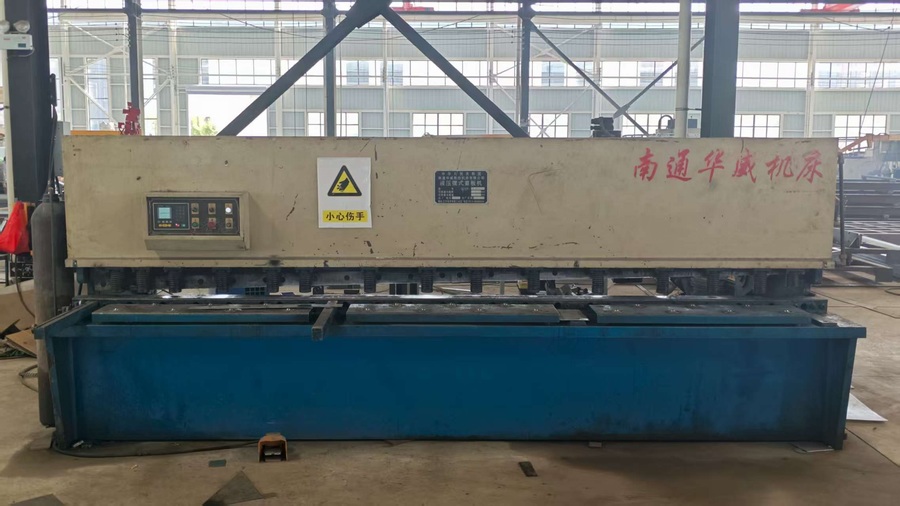
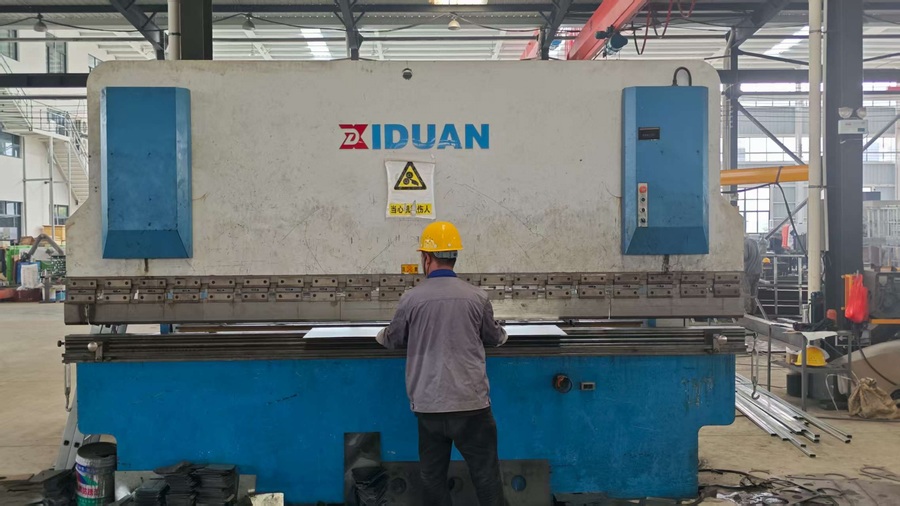
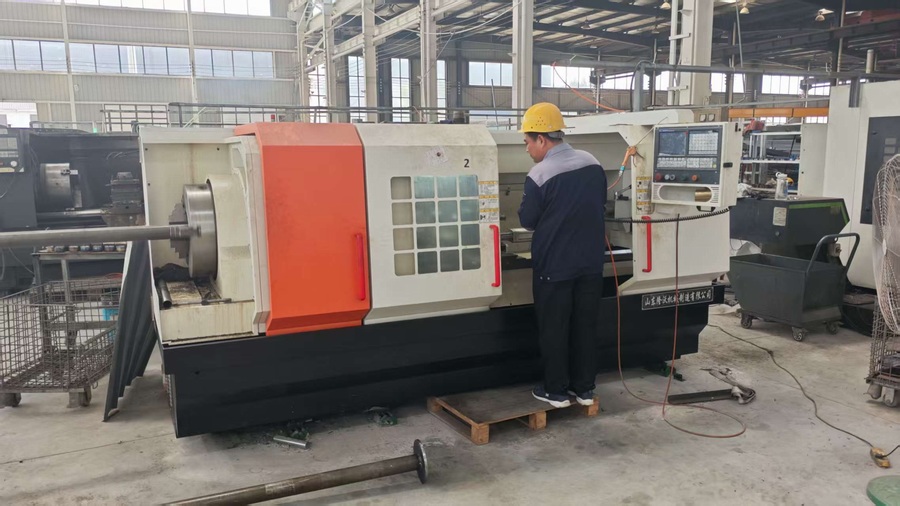
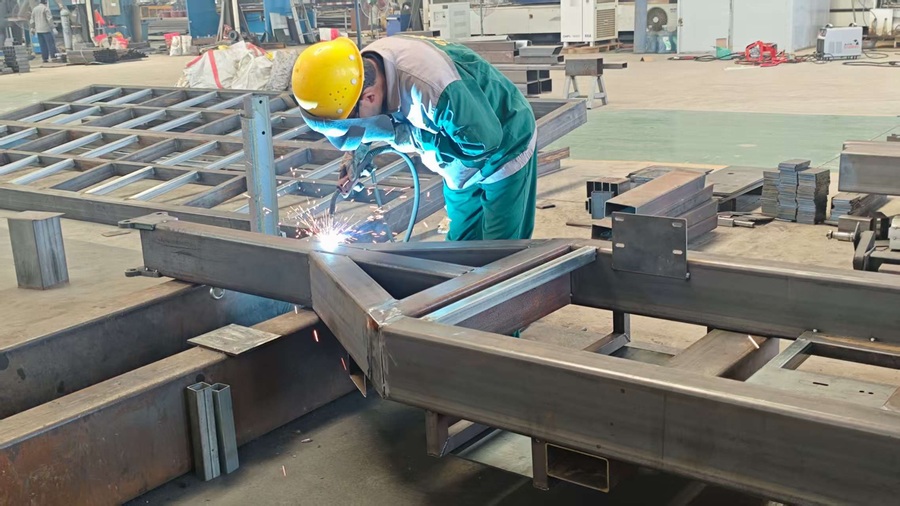
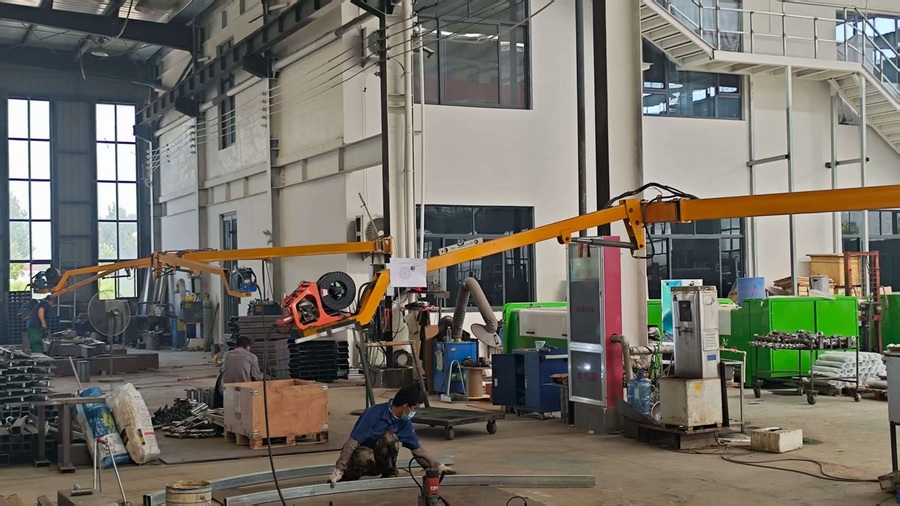
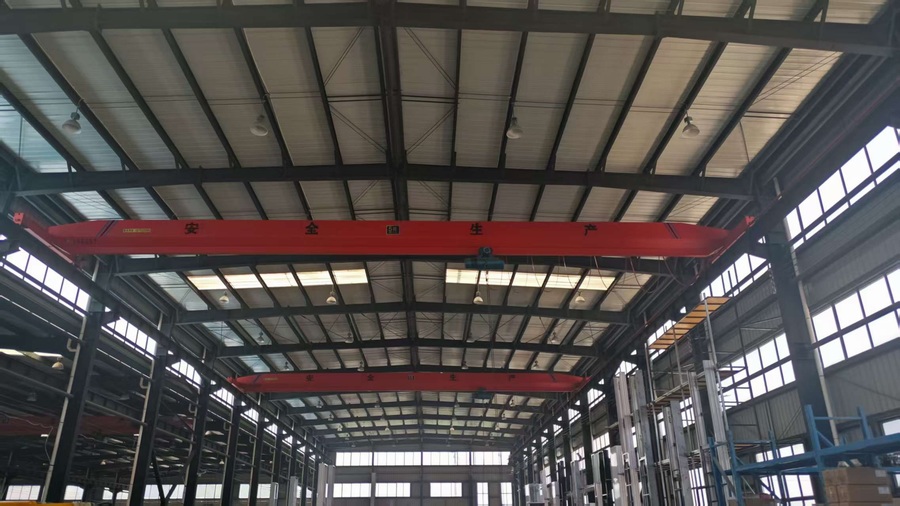
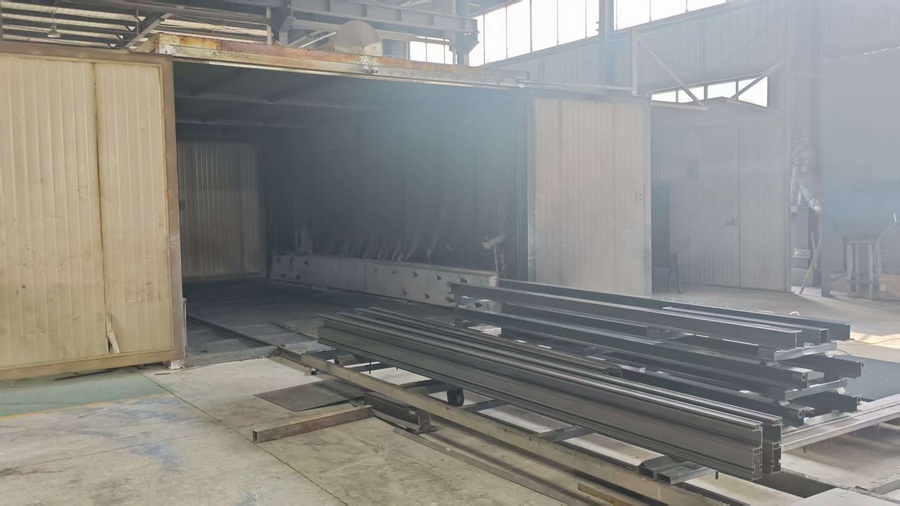
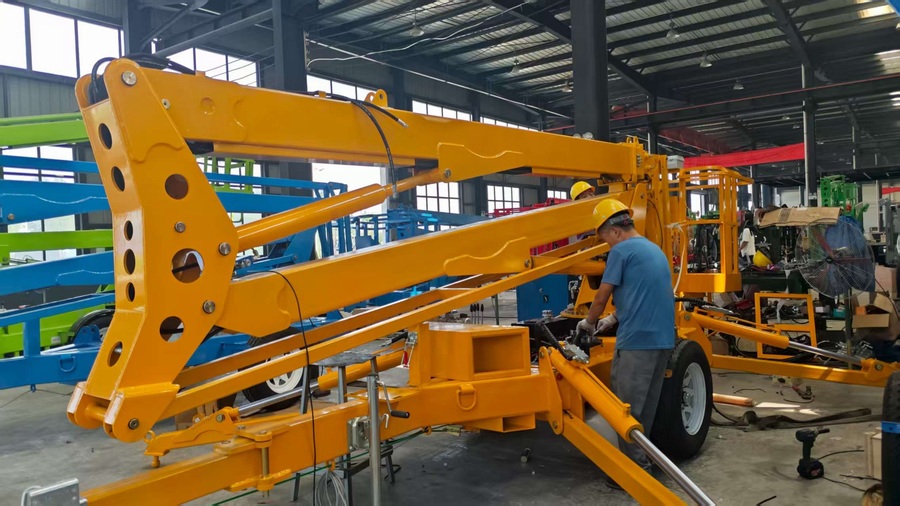
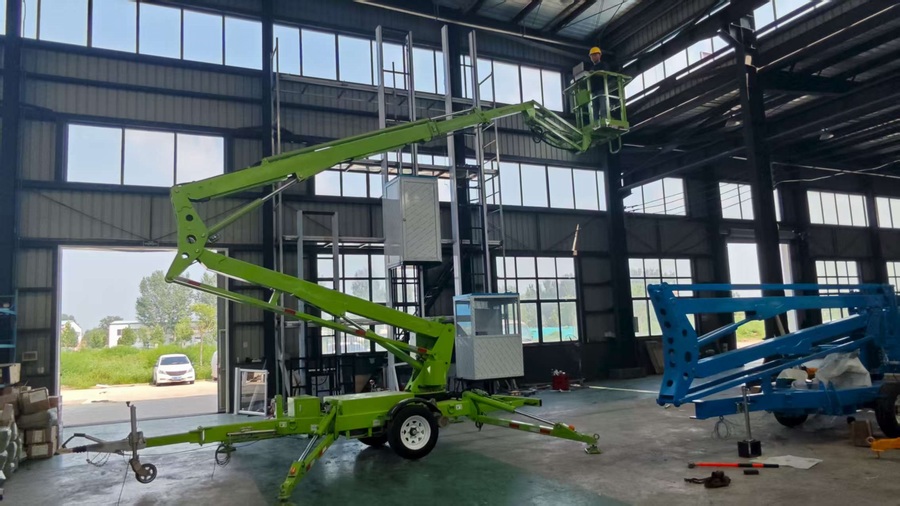
Industrial Facility Insight: Below is a photographic documentation of our end-to-end manufacturing process. We control every stage of production—from the initial CAD design and high-precision CNC laser cutting to automatic robotic welding, automated dry-powder paint booth coating, final assembly, and 125% overload testing.
When procuring heavy equipment globally, logistics managers must evaluate the vendor's capacity to provide local technical and legal compliance support. In the EU, equipment must bear the CE mark, adhering strictly to the Machinery Directive 2006/42/EC and EN 1570 requirements. In North America, ASME MH30.1 and OSHA regulations govern dock leveling machinery and aerial platforms. Top suppliers provide localized documentation, complete schema packages, and standard pre-wired plug-and-play electronics conforming to local grids (e.g., 110V 60Hz, 380V 50Hz, 460V 3-phase).
China's Heavy Machinery Supply Chain Advantages: Suppliers based in industrial hubs like Shandong leverage integrated supply chains. The direct proximity to raw metallurgical refineries, state-owned component foundries, and the port of Qingdao enables companies like Shandong Benefits Machinery Co., Ltd. to offer highly competitive pricing, custom engineering options, and shorter manufacturing cycles compared to domestic Western manufacturers.
Fixed and mobile lifting platforms are integrated into various industrial sectors, each with unique load dynamics and environmental challenges:
Dock levelers and vertical scissor lifts in cold storage require polyurethane insulated components, anti-rust galvanization coatings, and bio-degradable low-temperature hydraulic fluid to ensure continuous operation at sub-zero temperatures.
Heavy-duty, synchronized scissor lift platforms and car elevators transfer heavy chassis and engines along production assembly lines. These require PLC integration (e.g., Siemens or Mitsubishi) for precise positioning limits.
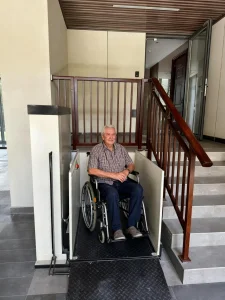
Under safety acts such as the ADA, barrier-free wheelchair elevators and platform lifts are required for commercial and public buildings. They must incorporate smooth, soft-start hydraulics and sensitive safety bottom sensors.
Key Future Industry Trends: The heavy lifting sector is transitioning toward electrification, environmental sustainability, and smart IoT diagnostics. Integrated sensors track oil temperature, seal wear, and cyclic fatigue, sending maintenance alerts directly to warehouse management systems to maximize operational uptime.
Standard manufacturing times for standardized configurations range from 15 to 20 business days. Custom engineered solutions (such as customized garage scissor lifts or non-standard sized dock levelers) require 25 to 35 days. This includes CAD structural design review, FEA stress testing, fabrication, painting, and load calibration checks.
Our machinery is manufactured under ISO 9001:2015 quality control systems. Lifts exported to Europe bear the CE mark, complying with the Machinery Directive 2006/42/EC and EN 1570-1. Lifts exported to the Americas comply with ANSI/ASME standards. All electrical panels can be customized with UL/CSA certified components upon request.
All heavy-duty lifts feature high-pressure velocity fuses integrated directly into the base of the cylinders. If a hydraulic line ruptures, the fuse locks the fluid path, preventing the platform from dropping. Emergency manual lowering valves also allow operators to safely lower the platform manually in the event of a power outage.
Our factory uses a multi-step surface treatment: mechanical sandblasting to SA 2.5 standard, followed by an anti-corrosive epoxy zinc-rich primer, and finished with a durable polyurethane topcoat. For high-humidity, marine, or chemical environments, we offer hot-dip galvanizing and structural stainless steel (304 or 316 grade) options.
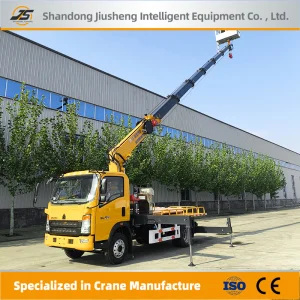
Explore our highly customized cargo lifts, heavy-duty vehicle elevators, and mobile loading bridges engineered for extreme weight capacities and specialized installation layouts.
 Benefits Machinery