Safe lifting begins before the hook leaves the ground. Workers need practical knowledge, not only a completed classroom form. This introduction explains How to train workers to operate lifting equipment safely through instruction, supervised practice, and regular assessment.
A strong program starts with the actual equipment used on site. A mobile crane, hoist, and forklift create different hazards. Workers should learn load charts, rated capacities, center of gravity, inspection points, and emergency controls. They also need to recognize damaged slings, unstable ground, poor visibility, and unclear signals.
Keep it practical.
An experienced trainer can demonstrate a pre-use inspection beside the machine. Workers can then identify a bent hook, worn wire rope, or leaking hydraulic line. They should practice signaling slowly, positioning loads, and stopping operations when conditions change. Training must include realistic scenarios, including suspended loads and unexpected bystanders.
Dr. David Michaels, former Assistant Secretary of Labor for Occupational Safety and Health, has stated, “The best way to prevent workplace injuries is to find and fix hazards before they happen.” That principle fits lifting operations closely. Prevention must occur before the lift, not after an incident.
Refresher training matters because confidence can hide weak habits. Supervisors should observe performance, review near misses, and document competence. A certificate alone proves little. We sometimes train for the test, not the shift. That is a serious weakness.
Effective training remains active, equipment-specific, and open to correction. Workers should feel able to stop an unsafe lift without pressure. The goal is simple: every load moves under control, and every person returns home safely.
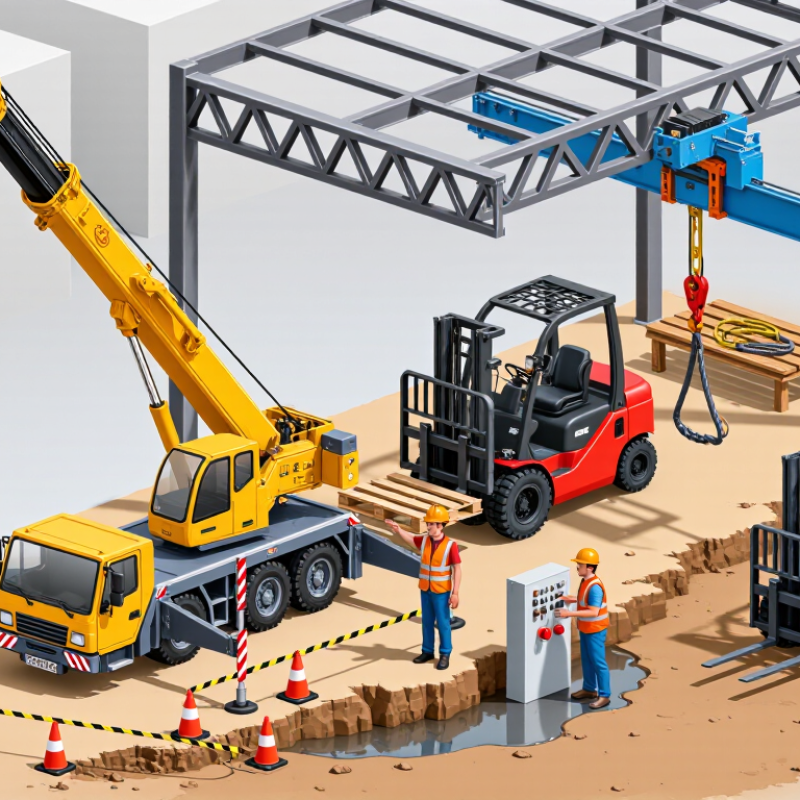
Lifting equipment safety training is more than showing someone how to press a control. It develops judgment before, during, and after each lift. Good instruction begins with the equipment manual, site conditions, and the planned load. Workers learn to inspect hooks, chains, slings, brakes, guards, and warning devices. Small defects matter.
The practical session should include load charts, rated capacity, centre of gravity, and safe working distances. Trainees practise attaching loads without placing hands beneath suspended materials. They use agreed signals and confirm radio messages clearly. A designated spotter watches blind areas, while barriers keep others outside the lifting zone. Emergency steps also matter, including stopping movement, lowering a load safely, and reporting damage. These details are easy to overlook when production pressure rises.
Competence needs observation, not only a written quiz. A trainer can ask the worker to plan a lift, identify hazards, and explain each decision. The worker then performs the task under controlled conditions. Records should show the equipment type, assessment date, and any refresher needs. Training is never perfect. I have seen confident operators miss a changing floor condition or misread a load label. That is why supervisors should invite questions and correct unsafe habits early. A short pause can prevent a serious mistake.
| Training Dimension | Key Knowledge and Skills | Typical Equipment or Situation | Practical Training Activity | Evidence of Competence |
|---|---|---|---|---|
| Equipment Familiarisation | Understand the intended use, operating limits, controls, warning labels, and manufacturer instructions for the specific equipment. | Forklifts, mobile elevating work platforms, overhead cranes, hoists, and lifting accessories. | Identify controls, safety devices, rated capacity information, emergency stops, and pre-use documentation. | The worker correctly identifies the equipment’s controls, limitations, and operating information. |
| Load Capacity and Stability | Interpret rated capacity, load charts, center of gravity, load height, reach, ground conditions, and the effect of uneven or suspended loads. | Forklift loads, crane lifts, palletized materials, and suspended components. | Calculate or verify whether a load is within the equipment’s rated capacity and select a suitable lifting method. | The worker rejects overloaded, unstable, or incorrectly configured lifts and explains the reason. |
| Pre-Use Inspection | Check structural components, brakes, steering, tires, chains, hooks, slings, guards, alarms, controls, and visible defects. | Daily inspection of powered lifting equipment and lifting accessories. | Complete a documented inspection before operation and identify defects requiring removal from service. | A complete inspection record with defects accurately reported and unsafe equipment isolated. |
| Safe Load Handling | Secure, balance, attach, raise, move, position, and lower loads without exceeding equipment or accessory limits. | Slings, shackles, hooks, forks, lifting beams, cages, and other approved attachments. | Attach a representative load, confirm balance, use controlled movements, and place the load safely. | The worker completes the lift without sudden movements, dropped loads, or unsafe contact with people or structures. |
| Communication and Signaling | Use agreed hand signals, radios, warning devices, and stop-work commands; understand the responsibilities of the operator and signal person. | Blind lifts, crane operations, reversing movements, and work in congested areas. | Perform a coordinated lift using one designated signal person and a clear communication method. | The worker stops the operation when communication is lost or an unsafe condition develops. |
| Workplace Hazard Control | Recognize pedestrians, traffic routes, overhead obstructions, restricted areas, unstable ground, power lines, poor visibility, and weather-related risks. | Warehouses, construction areas, loading bays, yards, and outdoor lifting zones. | Conduct a site assessment, establish exclusion zones, select travel routes, and apply traffic controls. | A documented risk assessment or lift plan identifies hazards and specifies effective controls. |
| Human Factors and Responsibilities | Understand authorization, competency, fatigue, distraction, rushing, unsafe shortcuts, and the duty to stop work when conditions are unsafe. | Routine operations, shift work, production deadlines, and unfamiliar work areas. | Review realistic scenarios involving pressure, poor visibility, damaged equipment, and unauthorized operation. | The worker chooses safe actions, reports concerns, and does not operate equipment without appropriate authorization. |
| Emergency Procedures | Respond to dropped loads, equipment failure, collision, overturning, contact with electrical sources, fire, and injury. | Powered industrial trucks, cranes, hoists, and elevated work platforms. | Practice emergency stops, alarm procedures, exclusion of bystanders, reporting, and site-specific rescue arrangements. | The worker follows the emergency procedure and avoids creating additional hazards during the response. |
| Inspection, Maintenance, and Reporting | Distinguish operator checks from formal inspections and maintenance; report damage, abnormal operation, and overdue examinations. | Equipment defects, worn lifting accessories, leaking hydraulics, damaged hooks, and faulty alarms. | Complete a defect report and demonstrate how unsafe equipment is tagged or removed from service according to site procedures. | Defects are clearly recorded, communicated, and followed through to authorized repair or disposal. |
| Assessment and Refresher Training | Combine written or oral knowledge assessment with direct observation of safe operating performance. | New operators, workers using different equipment, workers involved in an incident, or workers showing unsafe practices. | Complete a theory assessment, practical demonstration, and supervised operating period. | Training records identify the equipment covered, assessment result, trainer, date, and any restrictions or additional coaching. |
| Training should be specific to the equipment, load types, workplace conditions, and tasks involved. Authorization to operate should be granted only after the worker has demonstrated the required knowledge and practical competence. | ||||
It covers equipment inspection, load planning, safe controls, communication, and emergency actions. Small defects matter. Training should use the equipment manual, site conditions, and planned load.
Workers should check hooks, chains, wire ropes, slings, brakes, guards, and warning devices. Look closely. Any damage should be reported before lifting begins.
They read the load chart and consider weight, reach, height, centre of gravity, and ground conditions. Capacity can change. A level floor today may become uneven after rain or nearby work.
Workers should attach loads securely and keep their hands away from suspended materials. Never stand underneath. Operators should move smoothly, avoid sudden stops, and keep the load balanced.
Teams should agree on hand signals, radio phrases, and a clear stop command. Confirm messages clearly. A designated spotter should watch blind areas and guide movement when visibility is limited.
Employers can practise with marked routes, realistic loads, overhead hazards, and crowded work areas. Use controlled conditions. Trainers should watch performance instead of relying only on written tests.
Workers should stop movement, reassess the hazard, and lower the load safely when possible. Pause early. They should report damaged equipment, shifting loads, poor visibility, or changing floor conditions.
Skills can weaken when workers face production pressure, new equipment, or long absences. Experience has limits. Short refreshers and monthly reviews can expose unsafe habits before they cause harm.
Training workers to operate lifting equipment safely is essential for protecting people, materials, and machinery in the workplace. How to train workers to operate lifting equipment safely begins with teaching them equipment controls, operating limits, load capacity, inspection routines, and correct communication procedures. Workers should learn to identify hazards such as unstable loads, damaged components, obstructed paths, poor visibility, uneven surfaces, and unsafe distances from people or structures. Practical instruction and supervised exercises help them apply these principles confidently in real working conditions.
Effective training also explains how careful planning and proper equipment use can prevent injuries, falling loads, collisions, equipment damage, and costly interruptions. Workers need skills in selecting suitable lifting methods, securing loads, maintaining balance, following signals, responding to changing conditions, and stopping operations when risks arise. Employers should support safety through refresher courses, regular assessments, equipment inspections, incident reviews, and updates whenever procedures or workplace conditions change. Ongoing training reinforces good habits and helps create a consistent culture of responsibility and safe operation.

 Benefits Machinery