Lifting platforms have become essential tools in various industries, enhancing work efficiency remarkably. According to a report by the International Organization for Standardization, workplaces that utilize lifting platforms can increase productivity by up to 25%. This boost results from reduced worker fatigue and enhanced safety, allowing employees to focus on essential tasks rather than struggling with heavy lifting.
How to improve work efficiency with lifting platforms involves understanding their optimal use. When strategically integrated into workflows, these platforms minimize downtime and streamline operations. However, some businesses overlook proper training in operating these tools. This can lead to accidents and reduced efficacy, highlighting an area that requires attention. Moreover, maintenance of lifting platforms is often neglected, which can hinder their performance over time.
By implementing regular training programs and maintenance schedules, companies can leverage the full potential of lifting platforms. The outcome is not just improved efficiency but a safer workplace. Continuous monitoring of these factors enables organizations to address gaps and refine their processes, ultimately driving long-term success.
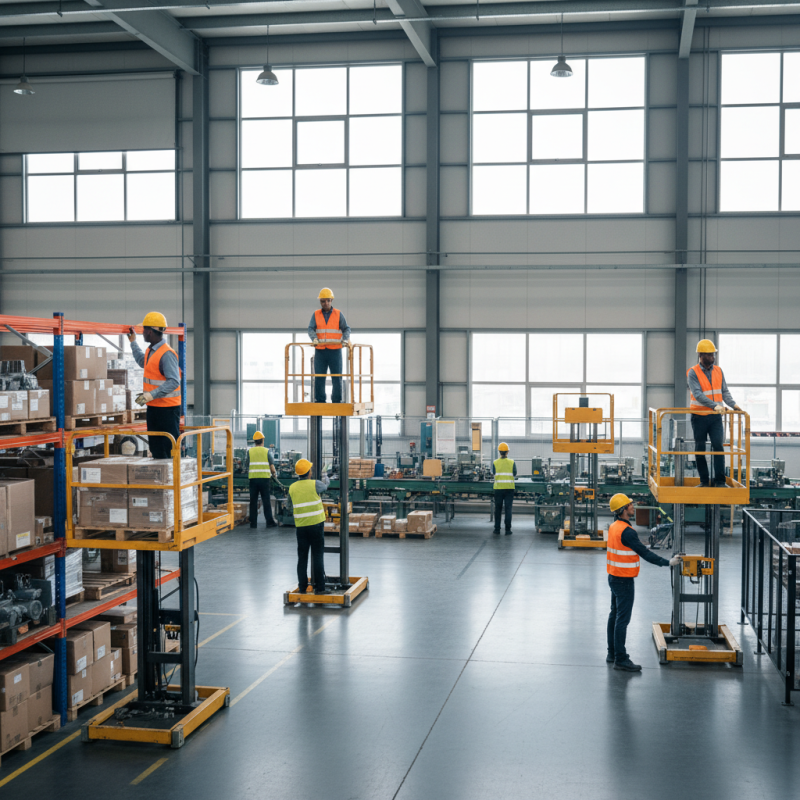
Benefits of Lifting Platforms in Modern Work Environments
Lifting platforms play a crucial role in modern work environments by enhancing productivity and ensuring safety. These platforms enable workers to reach high areas easily, minimizing time wasted on manual lifting. In warehouses or factories, lifting platforms speed up the process of loading and unloading goods. They reduce physical strain on employees, leading to fewer injuries and higher job satisfaction.
When using lifting platforms, it’s essential to follow safety protocols. Always check the weight limit. Ensure the platform is stable before ascending. Slightly uneven surfaces can cause accidents. Additionally, train your team on proper usage techniques. This may seem tedious, but it fosters a safer work environment.
Consider the layout of your workspace. If columns or shelves obstruct paths, repositioning them could enhance flow. Evaluate how often staff need to access elevated areas. A lifting platform might be a worthwhile investment. Yet, not every situation requires one, and over-reliance could hinder adaptability. Careful assessment is key to maximizing efficiency.
How Lifting Platforms Enhance Safety and Reduce Injuries
Lifting platforms play a crucial role in enhancing workplace safety. These devices help reduce the risk of accidents and injuries. Workers can access high areas without climbing unstable ladders. This means fewer falls and less strain on the body. That’s essential in industries where heavy lifting is routine.
Using lifting platforms also minimizes repetitive strain injuries. Operators can complete tasks without stretching awkwardly or overreaching. This comfort leads to improved focus and productivity. When workers feel safe, they perform better, and mistakes are less likely. It’s vital for employers to consider this aspect.
However, safety measures must be in place. Training is a necessary step. Workers should understand how to use platforms correctly. Without proper guidance, risks can still remain. Reflecting on past incidents can help refine safety protocols. Investing time in education creates a culture of safety, benefiting everyone involved.
Increasing Productivity Through Efficient Material Handling
Efficient material handling plays a crucial role in boosting productivity. Lifting platforms enable workers to access materials quickly and safely. This saves time, which translates into increased output. Instead of struggling with heavy items, employees can focus on their tasks. In warehouses, the movement of goods becomes seamless.
However, it's essential to recognize potential pitfalls. If lifting platforms are not properly maintained, their effectiveness diminishes. Regular inspections are vital. Lack of training can also lead to accidents, impacting overall productivity. Organizations need to invest in regular training. Workers should feel confident and safe while using these platforms.
Additionally, not all lifting platforms suit every environment. Choosing the right type is crucial for maximizing efficiency. Each setting has unique requirements, and a one-size-fits-all approach may not work. Feedback from workers can provide insights into what works best. Listening to their experiences can lead to thoughtful improvements.
The Role of Ergonomics in Lifting Platform Design
Ergonomics plays a crucial role in the design of lifting platforms, directly impacting work efficiency. According to a study by the National Institute for Occupational Safety and Health (NIOSH), poor ergonomics leads to significant losses in productivity, with workplace injuries costing U.S. businesses approximately $62 billion annually. Lifting platforms that prioritize ergonomic design can drastically reduce these risks. Well-designed platforms minimize repetitive strain, fostering better posture and comfort.
A report from the European Agency for Safety and Health at Work indicates that implementing ergonomic solutions can decrease work-related injuries by up to 30%. This involves integrating features like adjustable heights, user-friendly controls, and ample space for safe maneuvering. Yet, many designs still neglect key ergonomic principles. For example, platforms may often be too high or low, leading to uncomfortable bending or stretching.
Furthermore, not all workplace environments are the same. A one-size-fits-all approach can be ineffective, creating further challenges. Poorly designed lifting platforms may contribute to increased fatigue and lower efficiency, reflecting the importance of customized and well-researched ergonomic interventions. Adjusting designs based on industry-specific needs can enhance safety and productivity, making ergonomics a vital aspect of lifting platform design.
Comparative Analysis of Lifting Platforms and Traditional Equipment
Lifting platforms significantly enhance work efficiency compared to traditional equipment. According to industry reports, using lifting platforms can improve productivity by up to 25%. They provide superior accessibility and allow workers to reach heights safely and quickly. In contrast, traditional ladders and scaffolds often require multiple setups, leading to time loss and potential safety hazards.
A study by the Occupational Safety and Health Administration (OSHA) revealed that over 25% of workplace injuries are due to falls from heights. Lifting platforms mitigate this risk by offering stable work surfaces. They enable workers to perform tasks at eye level, reducing strain and increasing focus. Additionally, lifting platforms are often equipped with advanced safety features, enhancing reliability.
Tip: Regular training on proper usage of lifting platforms can prevent accidents. Educating workers about potential hazards and best practices fosters a safer work environment.
Adopting lifting platforms may require an initial investment, but the long-term benefits often outweigh the costs. Efficiency gains can lead to higher profit margins over time. However, companies should monitor usage and maintenance to ensure effectiveness. Adjusting to new equipment can be challenging, but the transition is worth the effort.
Tip: Schedule regular maintenance checks to keep lifting platforms in optimal condition. Regular upkeep prevents breakdowns and ensures safety standards.
FAQS
: They reduce risks of falls and injuries by providing stable access to high areas, unlike ladders.
They help reduce falls and repetitive strain injuries, promoting overall comfort and productivity for workers.
Proper training ensures correct usage, minimizing risks and refining safety protocols in the workplace.
Lifting platforms enhance work efficiency by improving accessibility and safety, unlike traditional ladders that require more setups.
They can increase productivity by up to 25%, allowing tasks to be completed more efficiently and safely.
Initial investment is necessary, but monitoring usage and ensuring regular maintenance maximizes long-term benefits.
While they improve safety, regular training and maintenance are crucial to ensure effectiveness and prevent accidents.
By providing stable and comfortable working conditions at eye level, they enhance focus and reduce mistakes.
Adjusting to new equipment can be challenging, but the safety and efficiency improvements make it worthwhile.
Scheduling regular maintenance checks is vital to prevent breakdowns and maintain safety standards.
Conclusion
Lifting platforms play a crucial role in enhancing work efficiency in modern environments by providing significant benefits such as improved safety and reduced injuries. These platforms enable easy access to high or hard-to-reach areas, ultimately facilitating more efficient material handling. By reducing the physical strain on workers, lifting platforms help promote ergonomic practices, contributing to overall productivity in the workplace.
Moreover, a comparative analysis shows that lifting platforms often outperform traditional equipment by offering better adaptability and ease of use. This leads to streamlined operations and faster turnaround times. In summary, understanding **how to improve work efficiency with lifting platforms** involves recognizing their advantages in safety, ergonomics, and productivity, making them essential tools in today’s industrial and commercial settings.

 Benefits Machinery