How to Train Workers for Safe Lifting Equipment Use?

Time:2026-05-31 Author:Charlotte
0%

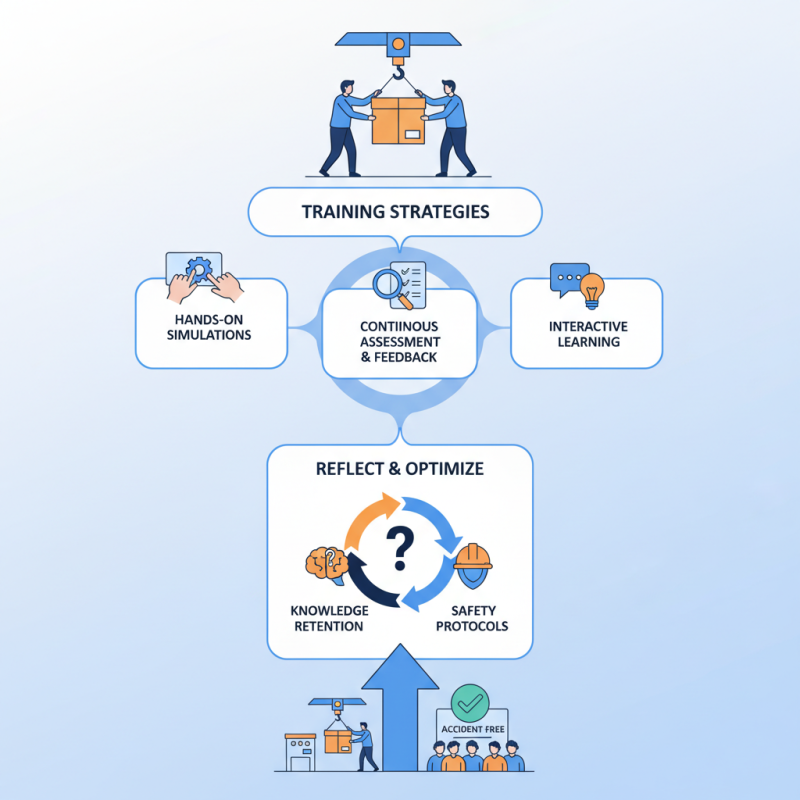
In the realm of workplace safety, effective training in lifting equipment usage is paramount. According to John Anderson, a safety training expert with over 15 years of experience, “Understanding the equipment can prevent accidents.” To explore how to train workers to operate lifting equipment safely, one must consider various strategies. Hands-on training sessions, for example, should simulate real-life scenarios. Such practical experiences can significantly enhance skill acquisition.

Moreover, continuous assessment plays a crucial role. Regular evaluations help identify areas where workers struggle. Feedback during these assessments can guide further training efforts. Creating an interactive and engaging learning environment often yields the best results.

However, even the best training programs may have room for improvement. It is essential to reflect on the effectiveness of current methods. Are workers truly grasping safety protocols? Are they retaining critical information? Addressing these questions can offer insights into optimizing training procedures for safer lifting practices.
How to Train Workers for Safe Lifting Equipment Use?

Understanding the Importance of Safe Lifting Equipment Use

Understanding safe lifting equipment use is crucial for workplace safety. Each year, over 900,000 workers are injured due to improper lifting practices. Training can significantly reduce these numbers. According to the Bureau of Labor Statistics, over 30% of workplace injuries are linked to manual material handling. This highlights the need for effective training programs.

Workers often underestimate the risks associated with lifting. Many believe they can manage with brute strength. However, reliance on strength can lead to serious injuries. Training emphasizes proper techniques, such as lifting with legs and not the back. This method reduces strain and improves efficiency.

Moreover, ongoing training can reinforce safe practices. Frequent refreshers help maintain awareness. A report from the Occupational Safety and Health Administration (OSHA) states that companies investing in safety programs see a 40% drop in injury rates. Training is not just a checkbox; it’s an investment in safety. Organizations must reflect on their training effectiveness continually. Workers should feel empowered to voice concerns and ask questions during training sessions.

How to Train Workers for Safe Lifting Equipment Use? - Understanding the Importance of Safe Lifting Equipment Use

Training Topic Description Duration (Hours) Frequency (Per Year) Assessment Method
Introduction to Safe Lifting Practices Understanding the fundamentals of lifting, including body mechanics and types of loads. 2 2 Quiz
Equipment Familiarization Hands-on training with various lifting equipment such as forklifts and hoists. 3 1 Practical Evaluation
Risk Assessment and Mitigation Identifying potential hazards during lifting operations and strategies to mitigate risks. 2 2 Case Studies
Emergency Procedures Training on how to respond in case of an accident or equipment failure during lifting operations. 1.5 1 Simulation Drills

Identifying Common Hazards Associated with Lifting Equipment

Lifting equipment poses common hazards that can lead to serious injuries. According to the Occupational Safety and Health Administration (OSHA), slips and falls account for about 25% of all workplace injuries. Improper use of lifting devices can cause strains or sprains, particularly in the lower back. Statistics show that lifting injuries can result in lost workdays and increased medical costs.

Inadequate training remains a critical issue. A report from the National Safety Council indicates that employees often lack understanding of weight limits and proper lifting techniques. This can lead to improper handling of equipment, further increasing the risk of accidents. Regular refresher courses can help in mitigating these risks. Observing workers during lifting tasks can identify unsafe practices and encourage immediate corrections.

Moreover, equipment maintenance is essential. Neglected lifting machinery can malfunction, contributing to workplace hazards. The Bureau of Labor Statistics highlights that nearly 30% of all lifting-related injuries stem from equipment failure. Inspections and routine checks can enhance safety and ensure all devices are functioning correctly. Addressing these issues can significantly improve workplace safety and reduce injury rates.

Key Elements of Effective Training Programs for Workers

Training workers on safe lifting equipment use is critical for workplace safety. An effective training program involves a blend of theoretical knowledge and practical hands-on instruction. Workers need to understand both the equipment and lifting techniques. This helps prevent injuries and boosts confidence.

Tips: Use real-life scenarios during training. Engage workers with examples they might face daily. Practical demonstrations prove invaluable. They allow workers to see the proper techniques in action. Observing experienced individuals can reinforce learning.

Moreover, regular refresher courses should not be overlooked. Repeating key concepts keeps knowledge fresh. Encourage feedback from workers regarding the training. This insight can identify gaps or unclear points. Continuous improvement is essential.

Tips: Schedule brief Q&A sessions after each training. This encourages dialogue and addresses concerns immediately. The aim is to create a culture of safety awareness. Empower workers to look out for one another. Small adjustments can lead to significant safety improvements.

Practical Techniques for Safe Lifting Practices

Safe lifting practices are essential in any workplace. Proper training ensures that employees are aware of the risks associated with lifting equipment. Workers need hands-on experience with tools and equipment. A practical training session can enhance their understanding of correct usage.

Visual demonstrations are effective. Using real-life examples engages the trainees and illustrates proper techniques. Encourage workers to ask questions during these sessions. This interaction helps identify knowledge gaps and fosters a culture of safety. Break down the equipment features and their functions. Make the learning process relatable to daily tasks.

Post-training assessments are vital. Regularly check on workers’ lifting techniques and offer feedback. Spotting mistakes early can prevent injuries. Emphasize continuous improvement. Workers should reflect on their practices and share experiences with peers. This ongoing dialogue cultivates an environment where safety is prioritized.

Evaluating Training Effectiveness and Continuous Improvement

Training effectiveness is crucial in ensuring safe lifting equipment use. Regular assessments help identify weaknesses in training methods. Surveys and feedback from workers provide invaluable insights. They highlight areas where understanding may be lacking. Revisiting training materials can enhance clarity and relevance. Small group discussions foster a more interactive learning environment.

Continuous improvement is necessary. This means adapting training to evolving regulations and equipment. Incorporating hands-on demonstrations can bridge the gap between theory and practice. Workers often resonate more with practical applications. It's essential to assess if trainees can demonstrate skills on the job. Errors in technique should be noted as opportunities for growth.

Employee engagement plays a vital role in training success. Leaders should create an open atmosphere for questions. Incorporating a culture of safety emphasizes the importance of lifting practices. By prioritizing feedback loops, organizations can create a cycle of learning. Adjusting training programs based on worker feedback can lead to meaningful improvement. This is not just about compliance; it's about fostering a safer workplace.

FAQS

: Why is safe lifting equipment use important?

: Safe lifting practices prevent injuries. Over 900,000 workers are injured yearly from improper lifting.

What percentage of workplace injuries are linked to manual handling?

More than 30% of workplace injuries relate to manual material handling. This shows a need for effective training.

How can training help reduce lifting injuries?

Training teaches proper techniques, like lifting with legs. This method reduces strain and enhances efficiency.

What role does ongoing training play in workplace safety?

Ongoing training maintains awareness of safe practices and encourages regular refreshers for all workers.

How does training effectiveness impact injury rates?

Companies investing in safety programs may see injury rates drop by 40%. This shows the high value of effective training.

How can organizations evaluate training effectiveness?

Regular assessments, surveys, and worker feedback highlight weaknesses and areas needing improvement in training methods.

Why is employee engagement crucial in safety training?

Engagement fosters an open atmosphere for questioning. This leads to better understanding and adoption of safe practices.

What is the importance of adapting training programs?

Continuous improvement is vital. Adapting training to evolving regulations ensures relevance and effectiveness in safety practices.

How can practical demonstrations enhance training?

Hands-on demonstrations bridge theory and practice, making it easier for workers to understand and apply techniques effectively.

What should organizations reflect on regarding training?

Organizations must continually assess the effectiveness of their training programs and seek worker feedback for improvement.

Conclusion

Training workers to operate lifting equipment safely is crucial for ensuring a safe work environment and preventing injuries. Understanding the importance of safe lifting equipment use lays the foundation for effective training programs. By identifying common hazards associated with lifting equipment, trainers can address specific risks and enhance worker awareness. Key elements of effective training include comprehensive instruction on lifting techniques, proper equipment handling, and hazard recognition.

Practical techniques for safe lifting practices, such as maintaining proper posture and using team lifts when necessary, should be emphasized during training sessions. Regular evaluations of training effectiveness are essential for continuous improvement, ensuring that workers remain informed about best practices and safety measures. Ultimately, a well-structured training program not only promotes safe lifting equipment use but also fosters a culture of safety within the workplace.

Charlotte

Charlotte

Charlotte is a seasoned marketing professional with a deep understanding of the company's portfolio and a passion for elevating its presence in the market. With a keen eye for detail and a commitment to excellence, she ensures that our professional blog is regularly updated with insightful articles......