When considering how to choose portable ramps for small warehouses, it is essential to focus on key factors that enhance efficiency and safety. According to a report by the National Safety Council, over 75% of warehouse injuries are related to improper loading and unloading. This statistic underscores the necessity of selecting the right equipment. Portable ramps can significantly reduce these risks, facilitating smoother transitions for goods.
The right ramp can improve workforce productivity by up to 20%, based on research from the Occupational Safety and Health Administration (OSHA). Ease of movement influences workflow in small spaces. However, choosing a ramp that is too heavy or unsuitable for your specific needs can lead to inefficiencies. Evaluating weight capacity, material, and portability are crucial to making an informed decision.
Moreover, the investment in quality ramps must align with specific warehouse requirements. Many businesses overlook dimensions and incline angles, leading to suboptimal performance. Assessing the unique layout of your space is vital to optimizing the utility of portable ramps. In some cases, feedback from warehouse employees can reveal additional insights, emphasizing the importance of practical experience in decision-making.
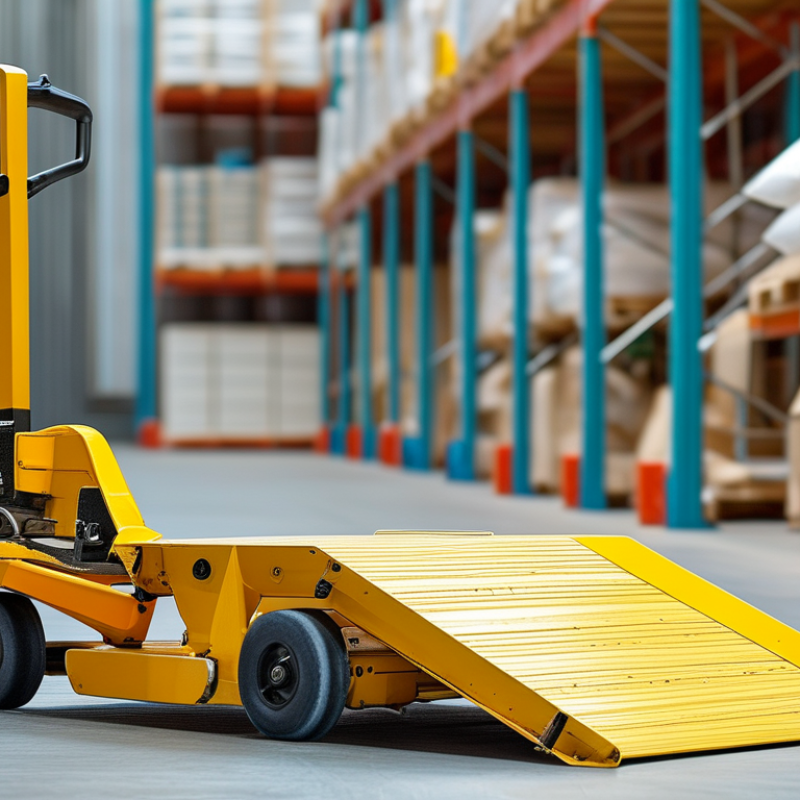
When selecting portable ramps for small warehouses,
size and weight capacity are critical. You need to measure your loading dock height and any
obstacles. The ramp should provide easy access without steep angles. A ramp too short may not
align properly. This could lead to accidents or damage.
Weight capacity is essential. Assess the maximum weight your ramp needs to support.
This includes equipment and pallets. Choosing a ramp with a lower capacity than needed is risky.
It may cause bending or collapse. Manufacturers often provide weight ratings for their products.
Trust these specifications. Verify before making a decision.
Consider the material of the ramp. Aluminum ramps are
lightweight but strong. Steel ramps, while heavier, can support more weight. It’s vital to think
about where you will store the ramp. If space is tight, a foldable option may be beneficial.
Portability is also essential; ensure the ramp is easy to move. Making informed choices can
prevent future headaches.
Choosing the right portable ramp for a small warehouse is crucial. Material types significantly impact durability and traction. Common materials include aluminum, steel, and rubber. Each has strengths and weaknesses.
Aluminum ramps are lightweight yet strong, making them easy to move. However, they can bend under heavy loads. Steel ramps provide excellent durability and can handle substantial weight. The downside is that they can be heavy and rust if not properly maintained. Rubber ramps offer great traction but may wear out faster than metal options.
When assessing materials, consider warehouse conditions. For wet or slick surfaces, select materials that enhance grip. Look for ramps with surface textures or non-slip features. Beware of cheap options that may lack durability. Investing in quality can save costs in the long run. Choose ramps that can withstand your daily operations and avoid frequent replacements.
| Material Type | Durability Rating | Traction Rating | Weight Capacity (lbs) | Best Use Case |
|---|---|---|---|---|
| Aluminum | High | Excellent | 800 | Loading docks |
| Steel | Very High | Good | 1000 | Heavy equipment loading |
| Plastic | Medium | Fair | 600 | Retail and light duty |
| Rubber | Medium | Excellent | 500 | Indoor use and sensitive loads |
When selecting portable ramps for small warehouses, safety is paramount. Evaluating ramp design features can greatly enhance safety and efficiency. Look for non-slip surfaces. These surfaces provide essential grip, especially in busy environments. A ramp that lacks proper grip can lead to accidents, causing injuries and costly delays.
Consider the weight capacity of the ramp. Each ramp should support heavy loads without bending or breaking. Check for reinforced edges and support beams. These features ensure stability during use. Additionally, examine the ramp's incline. A gentler slope reduces strain on workers and vehicles.
Lighting also plays a crucial role. Adequate lighting helps visibility, particularly in dimly lit areas. This can prevent missteps or accidents as workers navigate the ramp. While many ramps include safety features, not all are created equal. Regular inspection and maintenance are needed to ensure they remain safe over time. Ignoring these factors can lead to serious issues.
When selecting portable ramps for small warehouses, understanding local regulations is crucial. Compliance standards vary by location. Many areas require ramps to meet specific safety and accessibility guidelines. Research local codes to ensure proper installation. Ignoring these regulations can lead to fines or safety hazards.
Inspection of the ramp’s design is essential. The slope should not exceed the recommended angle. A steeper ramp can be difficult to navigate, especially with heavy equipment. Consider weight limits as well; exceeding these can result in dangerous situations. Local fire codes might also affect ramp placement and design.
Consulting with local authorities can provide clarity on regulations. It might feel daunting, but it's necessary. Being proactive prevents future complications. If the options available seem overwhelming, seeking professional advice can help. Remember that compliance isn't just about following rules; it's about creating a safe working environment for everyone.
When selecting portable ramps for small warehouses, weighing cost against benefits is crucial. Different ramp options vary in price and functionality. Basic aluminum ramps are affordable and lightweight. They offer easy access but may not support heavy loads. Consider durability when evaluating options.
Investing in higher-quality ramps can provide greater return over time. Heavy-duty models may cost more upfront, but they withstand frequent use. This reduces replacement costs. Think about the specific needs of the warehouse. Will the ramp be used daily? If so, durability is essential.
Not all ramps are created equal. Some may lack stability, posing safety risks. Look for ramps with non-slip surfaces. This feature can prevent accidents, ensuring employee safety. While you might save money on cheaper ramps, you may face higher long-term costs. Balancing initial investment with potential savings is key for effective decision-making.
: Ramp size affects alignment with loading docks. A short ramp may cause accidents or damage.
Assess maximum weight for your ramp. Choosing a lower capacity can lead to bending or collapse.
Aluminum ramps are lightweight. Steel ramps can support heavier weights. Consider storage space too.
Look for non-slip surfaces for grip. Also, ensure weight capacity and stability features are adequate.
A gentler slope reduces strain on workers and vehicles. Steeper ramps can be risky during use.
Adequate lighting improves visibility. Poor lighting may cause missteps or accidents while using ramps.
Cheaper ramps can save money initially. Yet, they may lead to higher replacement costs due to lack of durability.
Regular inspections are essential. Ignoring maintenance may lead to serious safety issues over time.
Focus on stability, weight capacity, and non-slip surfaces. These features enhance safety and efficiency.
Yes, ramp options vary in price and functionality. Basic ramps may not support heavy loads effectively.
When considering how to choose portable ramps for small warehouses, several key factors come into play. First, it's essential to assess the ramp's size and weight capacity to ensure it meets the operational demands of the warehouse while providing sufficient support for equipment and personnel. The material choice also significantly impacts durability and traction, with different materials offering varying levels of resistance to wear and slip.
Additionally, evaluating the design features of the ramp can enhance safety and ease of use, such as non-slip surfaces or guardrails. Compliance with local regulations and standards is crucial to avoid legal issues and ensure safe operation. Finally, a thorough comparison of costs versus benefits can help determine the best ramp options that align with the warehouse's needs and budget, ensuring efficient logistics and safety in operations.

Benefits Machinery