Hydraulic systems have become integral to lifting equipment across various industries. According to Dr. John Parker, an expert in hydraulic engineering, "The efficiency and power of hydraulic systems make them ideal for lifting applications." This highlights why hydraulic systems are widely used in lifting equipment today.
Lifting operations require both precision and strength. Hydraulic systems provide both. They are capable of handling heavy loads with remarkable ease. This capability is essential in construction, manufacturing, and logistics. Think of a construction crane lifting steel beams. It uses hydraulic power to function smoothly and safely.
Despite their advantages, there are challenges. Hydraulic systems require regular maintenance to avoid leaks and failures. Also, not all operators are trained adequately. These factors can lead to accidents or inefficiencies if overlooked. Understanding "why is hydraulic system widely used in lifting equipment" can help address these issues, ensuring safer operations in the long run.
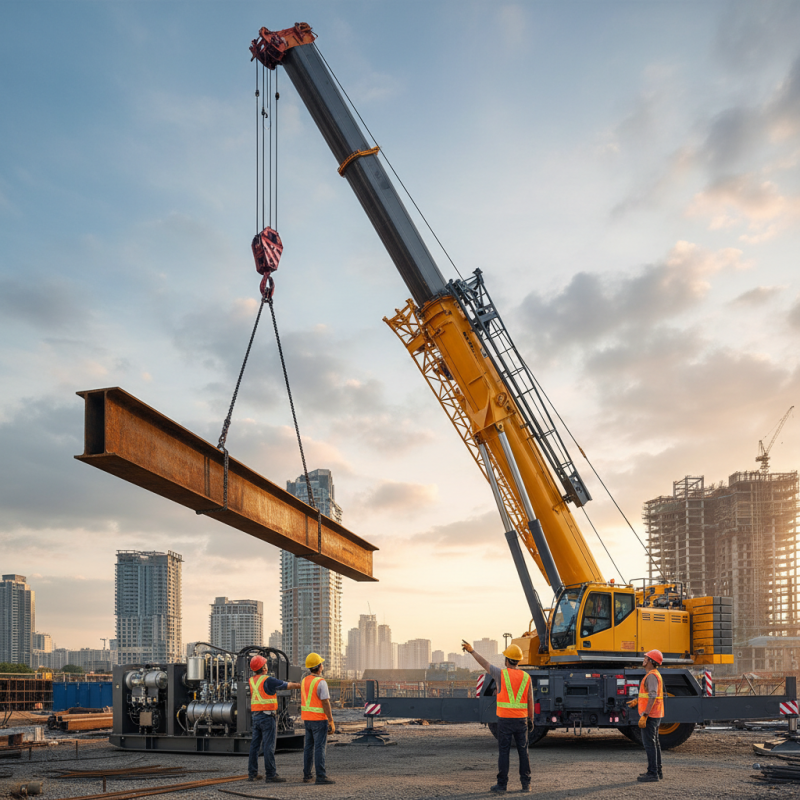
Hydraulic systems play a critical role in lifting equipment. These systems use fluid under pressure to create force, enabling heavy loads to be lifted effortlessly. The mechanics are straightforward yet effective. When hydraulic fluid is pushed through a cylinder, it generates pressure. This pressure moves a piston, which can lift a load much heavier than manual effort.
In construction and industrial settings, hydraulic systems are preferred for their precision. They enable operators to control movements with great accuracy. This control can prevent accidents and damage to materials. However, hydraulic systems are not without challenges. Regular maintenance is essential to avoid leaks or failures that could lead to unsafe conditions. Operators must be trained to handle these systems properly.
While hydraulic systems are powerful, they require careful management. Overloading can cause serious damage. Fluid contamination can reduce efficiency. Thus, understanding both the capabilities and limitations of hydraulic systems is vital. Workers must remain vigilant and informed. Proper training and awareness can enhance the reliability of lifting equipment overall.
Hydraulic systems are crucial for lifting equipment, relying on several key components. The power unit generates hydraulic pressure, enabling movement. The pump is essential, converting mechanical energy into hydraulic energy. It drives the fluid through the system. The hydraulic fluid is vital. It carries power and lubricates components, minimizing wear.
Cylinders translate the fluid's pressure into mechanical force. They lift heavy loads efficiently. Hoses and pipes transport the hydraulic fluid. Their integrity is critical. Leaks can lead to malfunction, causing safety hazards. Filters are another key part, ensuring clean hydraulic fluid. Contaminants can damage components.
Tips: Regular maintenance is necessary. Check fluid levels and inspect hoses. Ensure the system operates efficiently. Awareness of any unusual noises or leaks can prevent issues. Training operators on safe practices is essential. A well-trained team maintains safety protocols, minimizing accidents. Understanding each component's role enhances efficiency and reliability in operations.
Hydraulic systems have become indispensable in lifting operations. They offer strength and precision that surpass traditional mechanical methods. According to the National Institute for Occupational Safety and Health (NIOSH), hydraulic lifting equipment can improve safety by reducing manual handling injuries by up to 60%. This significant reduction highlights the importance of hydraulic systems in workplace safety.
These systems provide various advantages. First, they can lift heavy loads with less energy compared to other lifting techniques. This efficiency often results in lower operational costs. A study by the International Journal of Mechanical Engineering reveals that hydraulic systems can deliver up to 10 times the lifting force of purely mechanical systems. Furthermore, they are versatile, suitable for various applications, from construction to manufacturing.
Tip: Regular maintenance is vital for hydraulic systems. Inspect hoses and connections to prevent leaks and ensure peak performance. Another point to remember is the importance of training. Operators must be proficient in using hydraulic systems safely.
Despite their benefits, hydraulic systems can have drawbacks. They may suffer from fluid leakage, which can lead to environmental concerns. Additionally, the initial setup cost can be high. However, considering their long-term efficiency and safety advantages, the investment is often justified.
Hydraulic lifting equipment plays a crucial role in various industries. However, safety is a significant concern. These systems can exert immense force, making it vital to use them correctly.
Operators must be trained. Proper handling reduces accidents. Regular maintenance checks are essential. This ensures the system functions correctly. Hydraulic fluids can leak, creating hazards. Regular inspections and immediate repairs are necessary to prevent these issues.
Tips: Always wear protective gear when operating lifting equipment. Check load limits before lifting. Keep the area clear to avoid accidents.
Awareness of potential malfunctions is key. Monitoring performance allows early intervention. Operators should stay vigilant for abnormal sounds or movements. Inadequate training can be detrimental. Continuous education about safety practices is invaluable.
By prioritizing safety, you contribute to a safer working environment. Proper procedures and regular training minimize risks associated with hydraulic systems.
Hydraulic systems are vital in many industries. They offer powerful lifting capabilities. The construction sector relies heavily on these systems. According to a report by the International Fluid Power Society, hydraulic lifts account for more than 30% of equipment in construction. This is due to their ability to handle heavy loads safely.
Manufacturing also benefits significantly from hydraulic technology. Robots and automated systems utilize hydraulics for precision and strength. A study by the National Institute for Occupational Safety and Health estimates that hydraulic-powered machines improve production efficiency by over 20%. This efficiency translates to higher profitability and better resource utilization for manufacturers.
In the aerospace and automotive industries, hydraulic systems are crucial for safety. They operate critical components like brakes and landing gear. Yet, reliance on hydraulic systems also presents challenges. Maintenance issues can arise, leading to increased downtime. According to industry analysts, proper training and regular assessments are essential to mitigate these risks and ensure reliability.
: Hydraulic systems use pressurized fluid to generate force, lifting heavy loads effortlessly.
They offer precision and control, reducing the risk of accidents and damage.
They require regular maintenance to avoid leaks, failures, and unsafe conditions.
They reduce manual handling injuries by up to 60%, enhancing overall safety.
They lift heavy loads with less energy, often resulting in lower operational costs.
Trained operators can handle these systems safely, maintaining performance and safety.
Yes, overloading can cause serious damage to the equipment.
Contamination can reduce efficiency, leading to performance issues.
Yes, they are suitable for various applications, including construction and manufacturing.
Hoses and connections must be checked to prevent leaks and ensure peak performance.
Hydraulic systems play a crucial role in lifting equipment due to their efficient functionality and power. They utilize fluid mechanics to transmit force, allowing for precise control and movement of heavy loads with minimal effort. The primary components of a hydraulic system, including pumps, cylinders, and valves, work together to convert hydraulic energy into mechanical motion, ensuring seamless operations in various lifting tasks.
The advantages of using hydraulic systems in lifting operations are evident, such as their ability to lift much heavier loads compared to mechanical counterparts. Furthermore, safety considerations are paramount; modern hydraulic lifting equipment is designed with multiple safety features to prevent accidents. As a result, the question "Why is hydraulic system widely used in lifting equipment" can be answered by recognizing their efficiency, power, and safety, making them indispensable across multiple industries, including construction, manufacturing, and logistics.

Benefits Machinery