Choosing the right lifting equipment for warehouse operations is crucial. It impacts efficiency, safety, and productivity. Many businesses overlook this step, leading to costly mistakes. Understanding how to choose the right lifting equipment for warehouse operations can significantly improve workflow and reduce risks.
Consider the specific needs of your warehouse. Different tasks require different equipment. For instance, pallet jacks are ideal for narrow aisles. On the other hand, forklifts are better for heavy lifting. However, many operators misuse equipment, resulting in accidents and damages. Reflecting on past experiences helps refine equipment selection.
Evaluating the load capacity and height requirements is essential. Each piece of equipment has limits. Ignoring these can lead to dangerous situations. It's also wise to seek advice from professionals with experience. Their insights can guide you in making informed decisions. Finding the optimal solution may take time, but the investment pays off in the long run. Engaging employees in this process can provide valuable perspectives. Ultimately, selecting the right lifting equipment is a blend of understanding needs and leveraging expertise.
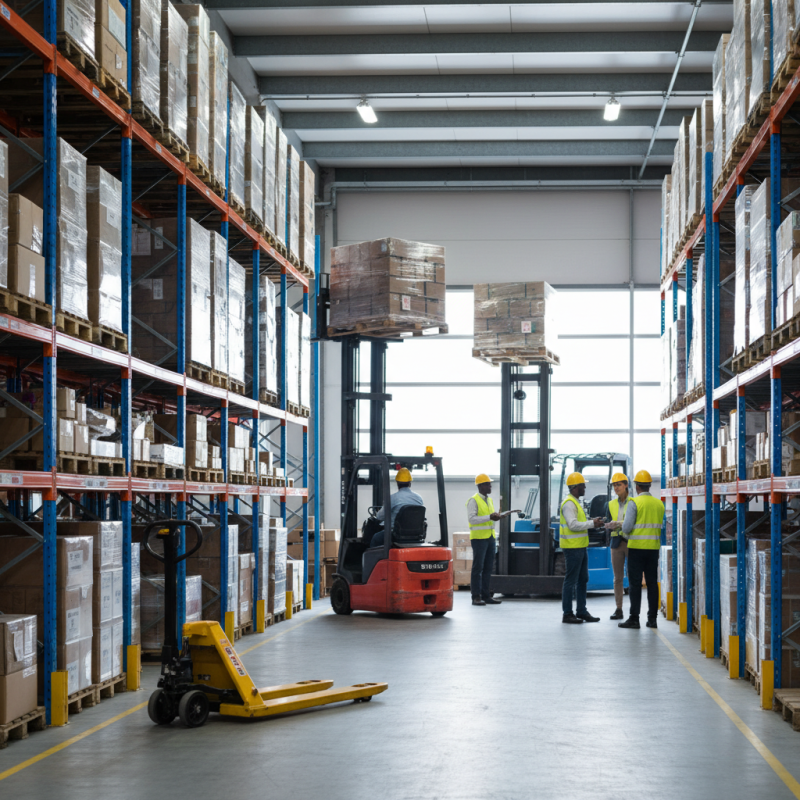
When selecting lifting equipment for warehouse operations, understanding the types available is crucial. Common options include forklifts, pallet jacks, and overhead cranes. Forklifts can maneuver in tight spaces and lift heavy loads. They are essential for moving pallets quickly. However, operators must be trained to ensure safety and efficiency.
Pallet jacks are more straightforward tools for smaller loads. They require less training and are ideal for transporting items over short distances. Always check the weight capacity before using them. Overhead cranes are suitable for high-lift applications. They provide excellent reach but require more space and installation considerations.
The choice of equipment hinges on specific warehouse needs. Factors like load type, weight, and height must be evaluated. Sometimes, a combination of equipment may be necessary. This can lead to increased costs but may enhance overall productivity. Each piece of equipment has its pros and cons, and it’s essential to analyze them carefully. Investing time in this evaluation can prevent costly mistakes in the long run.
| Type of Lifting Equipment | Weight Capacity (lbs) | Height Adjustment (inches) | Best Use Case | Safety Features |
|---|---|---|---|---|
| Forklift | 3,000 - 10,000 | 0 - 200 | Pallet and material lifting | Stability controls, alarms |
| Pallet Jack | 2,000 - 5,500 | 0 - 8 | Moving pallets short distances | Emergency brake, non-slip handles |
| Scissor Lift | 1,000 - 5,000 | 5 - 40 | Elevating personnel or equipment | Guardrails, tilt sensors |
| Hoist | 1,000 - 10,000 | N/A | Lifting heavy items vertically | Overload protection, emergency stop |
| Stacker | 1,500 - 3,000 | 0 - 30 | Stacking goods in racks | Braking system, stability features |
: Common types include forklifts, pallet jacks, and overhead cranes. Each serves different purposes.
Trained operators ensure safety and efficiency. Untrained staff can lead to accidents and costly failures.
Evaluate material types, weight, size, and available workspace. This ensures appropriate equipment selection.
Always check the load capacity. Look for signs of wear and ensure safety features work properly.
Yes, testing through rentals can reveal equipment suitability and prevent bad purchases. It's a smart approach.
Tight spaces or open areas require different equipment. Planning for these differences is crucial for safety and efficiency.
Overloading can damage equipment and pose risks to employees. Always stick to weight limits.
Regular training, inspections, and reflecting on past incidents are vital. Safety should be a constant priority.
Regular inspections are essential. This helps catch potential issues before they lead to accidents.
Yes, sometimes multiple equipment types are needed. However, this can increase costs and should be carefully evaluated.
Choosing the appropriate lifting equipment for warehouse operations is crucial for efficiency and safety. Understanding the various types of lifting equipment available is the first step. This includes identifying the specific operational needs of your warehouse, as different tasks may require different tools. Before making a selection, it’s essential to assess your warehouse operations needs, such as the weight and volume of goods handled.
Safety considerations should not be overlooked; ensuring that all equipment meets safety standards is vital to prevent accidents. Additionally, evaluating lifting capacity and height specifications will help in determining suitable equipment. Finally, adherence to maintenance and compliance guidelines guarantees not only operational longevity but also the safety of personnel. By following these steps, you can effectively navigate how to choose the right lifting equipment for warehouse operations, ultimately optimizing productivity while ensuring a safe working environment.

 Benefits Machinery