How to Extend the Lifespan of Hydraulic Lifting Platforms?

Time:2026-04-14 Author:Oliver
0%

Hydraulic lifting platforms are crucial in various industries, enhancing efficiency and safety. However, prolonged use can lead to wear and tear. Therefore, understanding how to maintain hydraulic lifting platforms for longer service life is essential. Regular maintenance not only extends their lifespan but also ensures optimal performance.

Proper lubrication is key to keeping hydraulic systems functioning smoothly. For instance, check fluid levels, inspect seals, and replace filters as needed. These small actions can prevent costly breakdowns. Users often overlook these details, leading to decreased effectiveness over time. Additionally, regular inspections help identify potential issues early, allowing for timely repairs.

It’s important to train operators in handling equipment correctly. Poor usage can cause unintended damage. Furthermore, consider the environment in which the platform operates. Dust and moisture can accelerate wear, so cleaning and protection are vital. Balancing these elements can lead to a more reliable and durable hydraulic lifting platform.
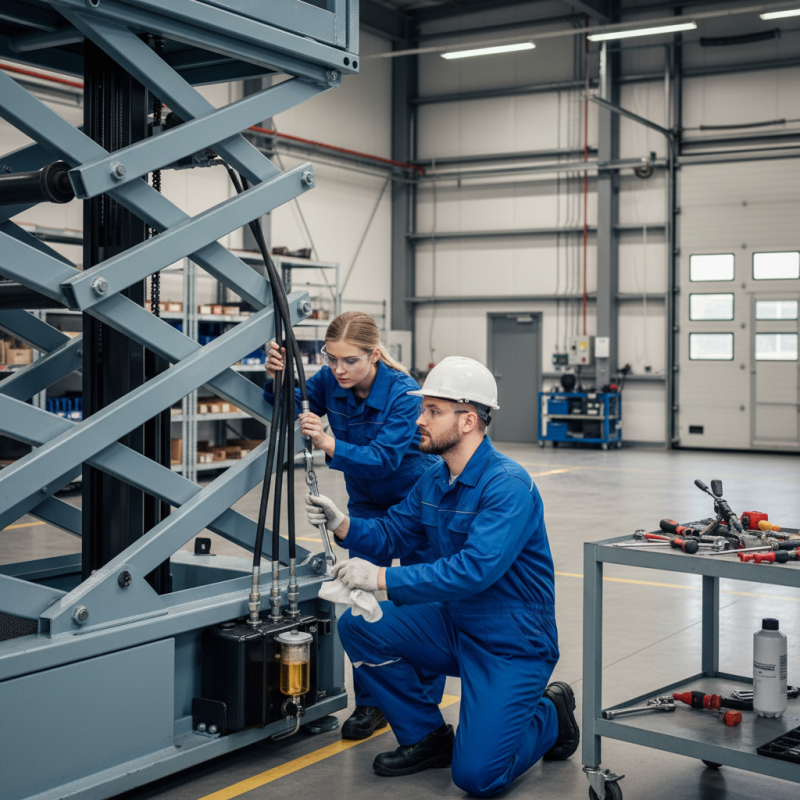
How to Extend the Lifespan of Hydraulic Lifting Platforms?

Understanding Hydraulic Lifting Platforms and Their Components

Hydraulic lifting platforms play a crucial role in various industries, enabling efficient movement of heavy loads. Understanding their components is key to ensuring operational longevity. These platforms typically consist of hydraulic cylinders, control systems, and lifting tables. Each component must work harmoniously to achieve optimal performance. According to the American Society of Mechanical Engineers (ASME), regular maintenance can enhance a hydraulic platform's lifespan by 30%.

Hydraulic cylinders are vital. If they develop leaks, it can severely impair functionality. Inspect these regularly for signs of wear or damage. Clean and lubricate hydraulic seals to reduce friction and wear. A study published in the Journal of Industrial Technology highlights that neglecting these small components often leads to larger, costly repairs later.

Tip: Implementing a strict inspection schedule can catch issues early. This includes checking fluid levels, listening for unusual noises, and testing the control system responsiveness.

Control systems also require attention. These systems regulate the platform's lifting and lowering operations, and they can become faulty if not properly calibrated. Problems here may lead to sudden drops, posing safety risks. Training operators on proper usage can prevent many common errors.

Tip: Create an operator's manual that details best practices and troubleshooting. This ensures everyone understands the significance of taking care of this essential equipment.

Extending the Lifespan of Hydraulic Lifting Platforms

Regular Maintenance Practices for Hydraulic Lifting Platforms

Regular maintenance is crucial for extending the lifespan of hydraulic lifting platforms. Proper care ensures optimal performance and safety. Studies indicate that well-maintained equipment can last up to 30% longer than poorly maintained counterparts. This translates to significant cost savings for businesses over time.

Routine inspections are essential. Check hydraulic fluid levels regularly. Low fluid can lead to overheating and failure. Look for leaks or signs of wear in hoses and seals. Approximately 15% of hydraulic failures stem from seal deterioration. This can often be avoided with timely replacements.

Also, keep the platform clean. Dirt and grime can negatively affect mechanical components. Schedule cleaning sessions every few months. Operators should receive training on handling the equipment. Well-informed staff can spot irregularities early. Implementing these practices contributes to longer equipment life and fewer operational disruptions.

Best Practices for Operating Hydraulic Lifting Platforms Safely

Operating hydraulic lifting platforms requires attention to safety and maintenance. Regular inspections are vital. Check for leaks in hydraulic systems. Look for wear or damage on cables and joints. These simple routines prevent accidents. Operators should be trained. Proper training decreases risks significantly. Misuse can lead to serious injuries.

Using personal protective equipment is essential. Helmets, gloves, and steel-toed boots provide additional safety. It’s important to maintain a clear work area. Clutter can lead to trips and falls. Workers should always stay clear of the platform's edges during operation. Clear communication among team members reduces misunderstandings.

Operators should also monitor load limits closely. Overloading can compromise the platform's stability. Regularly maintaining hydraulic fluid levels is key. Dirty or low fluid can affect performance. Addressing small issues early can avoid costly repairs later. Recognizing warning signs leads to a safer work environment.

Environmental Considerations for Hydraulic Lifting Platforms' Longevity

Hydraulic lifting platforms are essential in many industries, yet their lifespan can be significantly affected by environmental factors. Dust and moisture are two primary culprits that accelerate wear and tear. Regular cleaning and maintenance are critical to combat these elements. However, many operators overlook simple upkeep tasks, leading to costly repairs.

Temperature extremes also play a significant role in durability. When hydraulic fluid is too cold, it thickens, affecting performance. Conversely, excessive heat can degrade the fluid faster. It’s crucial to monitor fluid conditions regularly. Operating the platform within recommended temperature ranges can prevent severe damage.

Furthermore, the surrounding environment should be considered. Prolonged exposure to corrosive substances can weaken structural integrity. Operators should assess their workspace. Implementing protective measures, such as barriers or enclosures, might seem inconvenient but can extend platform life. As we focus on longevity, we must confront these overlooked aspects that are fundamental yet complex.

How to Extend the Lifespan of Hydraulic Lifting Platforms? - Environmental Considerations for Hydraulic Lifting Platforms' Longevity

Consideration Details Benefits Best Practices
Regular Maintenance Scheduled inspections and repairs Prevents major failures Follow the manufacturer's maintenance schedule
Operating Environment Exposure to moisture and corrosive substances Minimizes corrosion and wear Store indoors and use protective covers
Load Management Avoiding overload and excessive usage Increases stability and reduces stress on components Adhere to load limits specified in the manual
Hydraulic Fluid Quality Using the right type of hydraulic fluid Improves performance and reduces wear Regularly check and replace the fluid as needed
Training Operators Educating the personnel on best practices Reduces misuse and accidents Provide training sessions and refresher courses

Upgrading and Retrofitting Hydraulic Lifting Platforms for Extended Use

Upgrading hydraulic lifting platforms can significantly extend their operational lifespan. Regular maintenance is key. However, many users overlook small wear and tear signs. Replacing worn-out parts promptly can prevent larger issues down the line. Implementing a routine inspection schedule is crucial. Trained personnel should be involved.


Retrofitting allows platforms to incorporate modern safety features. Upgrades may include improved hydraulics or new control systems. This can enhance both performance and reliability. It's important to analyze the benefits versus costs. Not every upgrade is necessary for all operations.


User feedback is valuable during retrofitting. Gathering insights can guide effective changes. However, not all suggestions will fit. A balance must be found between innovation and practicality. Always consult with professionals to ensure safety standards are met. Adjusting equipment to meet evolving demands can prove challenging but rewarding.

FAQS

: Why is regular maintenance important for hydraulic lifting platforms?

: Regular maintenance extends lifespan and ensures safety. Well-maintained equipment lasts longer, translating to cost savings.

How often should hydraulic fluid levels be checked?

Hydraulic fluid levels should be checked regularly. Low fluid risks overheating and potential failure of the system.

What signs indicate hoses and seals need replacement?

Look for leaks or wear in hoses and seals. About 15% of failures come from seal deterioration.

How can dirt affect hydraulic lifting platforms?

Dirt and grime can harm mechanical parts. Regular cleaning can prevent performance issues.

Why is operator training important?

Training helps operators handle equipment safely. Informed staff can identify irregularities early, avoiding accidents.

What personal protective equipment should operators wear?

Operators should wear helmets, gloves, and steel-toed boots. This gear enhances personal safety during operation.

What should be monitored to ensure safe operation?

Load limits must be monitored closely. Overloading risks compromising the platform's stability.

How can maintenance prevent costly repairs?

Addressing small issues early, like low or dirty fluid, prevents larger failures and repairs down the line.

What role does communication play in safety?

Clear communication between team members prevents misunderstandings. It’s essential for safe operations.

What are common hazards to avoid while operating?

Always keep edges clear and avoid clutter. This reduces trip hazards and maintains a safe work area.

Conclusion

Hydraulic lifting platforms are essential tools in various industries, and extending their lifespan is crucial for operational efficiency. To understand how to maintain hydraulic lifting platforms for longer service life, one must first familiarize themselves with the components and workings of these platforms. Regular maintenance practices, such as routine inspections and timely repairs, play a vital role in preventing malfunctions. Additionally, adhering to best practices for safe operation ensures not only the longevity of the equipment but also the safety of personnel.

Environmental factors also significantly affect the durability of hydraulic lifting platforms. Thus, considering how elements like humidity, temperature, and exposure to corrosive substances can impact performance is essential. Finally, upgrading and retrofitting existing platforms can enhance their functionality and extend their operational lifespan. By integrating these strategies, operators can ensure that their hydraulic lifting platforms remain efficient and reliable for years to come.

Oliver

Oliver

Oliver is a seasoned marketing professional with a wealth of expertise in driving brand awareness and engagement. With a deep understanding of our company's product offerings, he consistently delivers high-quality content that enriches our professional blog. His insights not only shed light on......