Hydraulic systems have become a cornerstone in the design and functionality of lifting equipment. The versatility and power these systems provide are unparalleled. According to a report by the International Journal of Engineering Research, around 70% of lifting equipment in various industries utilizes hydraulic systems. This statistic underscores their dominance in the market.
Dr. Mike Anderson, a leading expert in hydraulic engineering, states, “The reliability and efficiency of hydraulic systems make them the preferred choice for lifting applications.” His insights reflect the growing dependence on hydraulic technology. Using pressurized fluid to generate force, hydraulic systems can lift heavier loads with precision.
However, while hydraulic systems are highly effective, they are not without flaws. Potential risks, such as leaks and system failures, can arise. Regular maintenance is crucial to mitigate these issues. Therefore, understanding "Why is hydraulic system widely used in lifting equipment" involves appreciating both its strengths and its weaknesses.
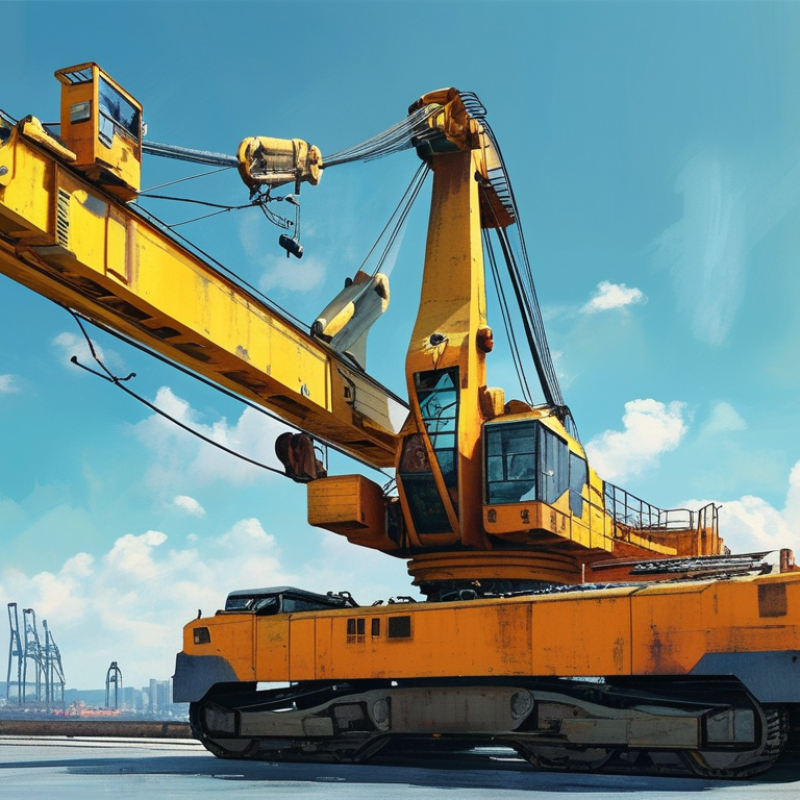
The Fundamental Principles of Hydraulic Systems in Lifting Equipment
Hydraulic systems play a crucial role in lifting equipment, primarily through their ability to amplify force. They operate on the principle that incompressible fluids can transmit power. A small force applied to the fluid can result in a much larger force at another point in the system. This is achieved through the use of pistons of differing sizes. When fluid pressure is applied, the larger piston can lift heavy loads effortlessly.
Understanding the fundamental mechanics is essential. Each hydraulic component, such as pumps, cylinders, and valves, must function well together. Any malfunction in one part can lead to inefficiencies. Regular maintenance is vital, yet often overlooked. It’s easy to assume everything will work perfectly until something goes wrong. In practice, operators must remain vigilant.
The efficiency of a hydraulic system depends on proper fluid selection and system design. Unaddressed leaks can also reduce performance dramatically. It's a reminder that even with advanced technology, human oversight is necessary. This balance between technology and vigilance ensures safe and effective lifting operations in various industries.
Key Components of Hydraulic Systems Used in Lifting Applications
Hydraulic systems play a crucial role in lifting equipment across various industries. These systems rely on key components that ensure efficiency and safety. The core elements include hydraulic cylinders, pumps, and valves. Hydraulic cylinders, which convert fluid pressure into linear motion, are essential. They can generate significant lifting force with relatively small input power. A report from the International Fluid Power Society indicates that proper cylinder maintenance can increase equipment lifespans by up to 30%.
Pumps are another vital component. They provide the hydraulic fluid flow necessary for the cylinders to function. Different types of pumps, such as gear or piston pumps, are suited for various applications. Understanding pump specifications is complex but critical. An imbalance can lead to system inefficiencies. Additionally, valves regulate fluid flow and direction, impacting lift speed and control. Poorly functioning valves can result in safety hazards. Maintenance checklists emphasize the inspection of these parts regularly.
While hydraulic systems are efficient, they are not without challenges. Leaks in hoses or fittings can lead to system failures. In a study by the Hydraulic Institute, it was reported that system leaks accounted for 10-15% of energy loss in poorly maintained systems. This highlights the need for regular inspections and updates. Identifying wear and tear early can prevent accidents and enhance performance.
Advantages of Hydraulic Systems Over Mechanical Systems for Lifting Tasks
Hydraulic systems have revolutionized lifting equipment across various industries. Their ability to generate enormous force from a small input is their key advantage. According to a report from the International Organization for Standardization (ISO), hydraulic systems can deliver lifting power more efficiently than traditional mechanical systems, especially in heavy-duty applications. They can easily lift loads that are several times greater than what manual effort can handle. This efficiency translates to safety and reliability in high-stakes environments.
In a mechanical lift, gear systems and pulleys can be complicated and prone to failure. These systems often require regular maintenance to ensure smooth operation. In contrast, hydraulic systems are inherently simpler due to fewer moving parts. A study by the American Hydraulic Institute highlighted that hydraulic systems can reduce wear and tear and, as a result, maintenance costs by 25% compared to mechanical systems. Furthermore, hydraulic systems can operate in more varied and rugged conditions without compromising performance. Their adaptability is crucial for industries that deal with heavy loads in unpredictable environments.
However, hydraulic systems do come with challenges. Fluid leaks and pressure drops can lead to inefficiency. Users must also monitor fluid levels closely, as this directly impacts performance. Investing in quality components can mitigate these risks, but the initial costs may raise concerns for some entities. Even though hydraulic systems often outperform mechanical ones, continuous assessment and improvement are vital to maximize their effectiveness and reliability.
Advantages of Hydraulic Systems Over Mechanical Systems for Lifting Tasks
Applications of Hydraulic Lifting Equipment in Various Industries
Hydraulic lifting equipment plays a crucial role across various industries. In construction, excavators and cranes rely on hydraulic systems to lift heavy loads efficiently. Research from the International Journal of Hydraulic Engineering indicates that hydraulic systems can lift loads weighing over 1,000 tons. This capability significantly enhances productivity and safety on job sites.
In manufacturing, hydraulic presses are essential for shaping materials. The precise control provided by hydraulic systems allows for consistent outcomes. According to the Manufacturing Technology Report, 70% of respondents indicated hydraulic systems as a preferred choice for press operations. The rapid response and strength of hydraulic lifting equipment reduce the likelihood of material damage during production.
Tips for selecting hydraulic equipment include assessing load capacity and operational efficiency. It's important to consider the specific requirements of your project. Additionally, regular maintenance can prevent potential failures. Reflecting on these practices can lead to better decision-making in procurement.
Safety Considerations in Hydraulic Lifting Equipment Operations
Hydraulic lifting equipment is vital for many industries. However, safety considerations must take priority during operations. According to the Occupational Safety and Health Administration (OSHA), improper use of hydraulic systems accounts for a significant percentage of workplace accidents. Therefore, ensuring proper training for operators is essential.
Addressing hydraulic system maintenance is crucial. Regularly inspecting hoses, fittings, and connectors can prevent catastrophic failures. Reports indicate that over 30% of hydraulic failures arise from neglected components. This statistic emphasizes the importance of a strict maintenance schedule. Operators should be educated about recognizing signs of wear and tear.
Emergency protocols also play a critical role. Creating a clear action plan for hydraulic system malfunctions can save lives. Studies show that structured safety drills reduce accident rates by up to 40%. Hydraulics are powerful, but their strength comes with risks. A culture of safety must be ingrained in every aspect of operation.
Why Hydraulic Systems Are Essential in Lifting Equipment? - Safety Considerations in Hydraulic Lifting Equipment Operations
| Safety Aspect |
Importance |
Frequency of Incidents |
Preventive Measures |
| Standard Operating Procedures (SOPs) |
Critical for safety compliance |
15% of all incidents |
Regular training and updates |
| Regular Maintenance |
Prevents equipment failure |
25% of all incidents |
Scheduled inspections |
| Personal Protective Equipment (PPE) |
Minimizes injury risks |
30% of all incidents |
Mandatory usage policy |
| Emergency Shut-off Systems |
Critical for rapid response |
10% of all incidents |
Regular testing and drills |
| Operator Training |
Essential for skill competency |
20% of all incidents |
Ongoing training sessions |
Conclusion
Hydraulic systems play a crucial role in lifting equipment due to their fundamental principles that leverage fluid power for enhanced lifting capabilities. The key components of these systems, including pumps, actuators, and valves, work together to ensure efficient operation. One of the main reasons why hydraulic systems are widely used in lifting equipment is their ability to provide higher force output compared to traditional mechanical systems, enabling them to perform heavy-duty tasks with ease and precision.
In various industries, hydraulic lifting equipment finds applications ranging from construction to manufacturing, where the need for reliable lifting solutions is paramount. However, safety considerations must also be taken into account, as the potential hazards associated with hydraulic operations require strict adherence to safety protocols. Overall, the advantages of hydraulic systems make them an indispensable choice for modern lifting applications.

 Benefits Machinery