When working with lifting platforms, safety is paramount. According to John Smith, a leading safety consultant with over 20 years of experience, "The right protocols can prevent accidents and save lives." His insight underlines the importance of diligence in this area.
Safety regulations can often be overlooked in the fast-paced business world. However, the risks associated with lifting platforms are significant. Workers can face serious injuries if proper precautions are not taken. Understanding how to ensure safety when using lifting platforms is crucial for any employer.
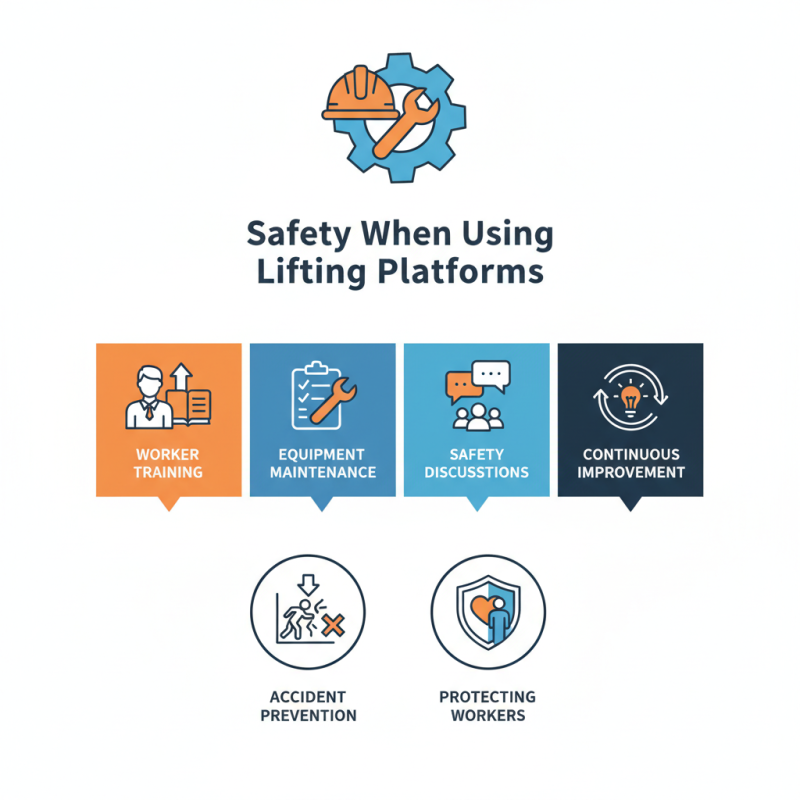
Investing time in training your workforce is essential. Regular maintenance checks on equipment also play a critical role. Engaging employees in safety discussions can foster a culture of awareness. There’s always room for improvement in safety practices. Reflecting on past incidents can provide valuable lessons. Every business can do better in protecting its workers from harm.
When selecting lifting platforms, understanding their types is essential. There are various types: scissor lifts, boom lifts, and vertical lifts. Each serves distinct purposes. Scissor lifts are ideal for stable surfaces and offer a significant lifting height. Boom lifts provide flexibility and are effective for reaching heights at awkward angles. Vertical lifts are suitable for transporting goods vertically through buildings.
According to the International Powered Access Federation (IPAF), a staggering 50% of accidents involving lifting equipment occur due to improper use. This highlights the need for thorough training. Ensuring operators are well-versed in each platform's specifications can reduce risk. Always assess the platform's load capacity, which is critical for safe operations.
Tip: Regular inspections of lifting platforms are vital. Check for any mechanical issues before each use. Operators should wear appropriate safety gear, including harnesses and helmets. Awareness of surroundings and potential hazards can prevent accidents. Education is key in fostering a safety culture in the workplace. Every employee should understand lifting platforms' complexities for safer work environments.
| Type of Lifting Platform | Max Load Capacity (kg) | Height Reach (m) | Safety Features | Best Use Cases |
|---|---|---|---|---|
| Articulating Boom Lift | 300 | 15 | Load sensing system, emergency stop | Maintenance, construction, outdoor events |
| Scissor Lift | 500 | 12 | Guardrails, locking mechanisms | Warehouse operations, indoor construction |
| Forklift Truck | 2000 | 5 | Stability controls, warning alarms | Loading/unloading goods, inventory handling |
| Aerial Work Platform | 350 | 10 | Tilt sensors, emergency descent | Maintenance and repair work |
| Static Boom Lift | 400 | 18 | Safety harness points, tilt alarms | Tall building maintenance, exterior work |
: Common types include scissor lifts, boom lifts, and vertical lifts. Each type serves different purposes.
Training helps to reduce the risk of accidents. Many accidents occur due to improper use of lifting equipment.
Check the surface for stability. Ensure the area is clear of debris and has proper overhead clearance.
Improper assessments can lead to accidents. Statistics show around 20% of workplace injuries involve lifting mechanisms.
Training should cover both theory and hands-on practice. Real-life scenarios should be used to visualize hazards.
Regular updates are crucial. This ensures employees remain competent and knowledge is refreshed.
Regular inspections can catch mechanical issues. They are vital for maintaining safe operations before use.
Operators should wear harnesses and helmets. Appropriate safety gear helps protect against potential accidents.
Encourage open communication and questioning. This creates an environment where everyone feels comfortable discussing safety.
Mentorship helps newcomers learn from experienced operators. It builds confidence and promotes safe practices.
When considering how to ensure safety when using lifting platforms, it is crucial to understand the different types of platforms available and their specific safety features. Assessing workplace conditions thoroughly helps identify potential hazards that can affect operations. Additionally, implementing comprehensive training programs for employees ensures they are knowledgeable about safe practices and operational protocols associated with lifting equipment.
Regular maintenance and safety inspections are essential for ensuring that lifting platforms function correctly and safely. Establishing clear emergency protocols and safety procedures further enhances workplace safety. By addressing these key areas, businesses can significantly reduce risks associated with lifting platform operations and promote a safer working environment for all employees.

 Benefits Machinery