How to Enhance Weather Resistance of Outdoor Lifting Equipment?

Time:2026-06-29 Author:Charlotte
0%

Outdoor lifting equipment faces harsh weather conditions. Heavy rain, snow, and wind can significantly impact performance and longevity. An expert in the field, Dr. John Carter, a leading engineer at LiftTech, emphasizes, “Understanding how to improve weather resistance of outdoor lifting equipment is crucial for safety and efficiency.”

When dealing with outdoor lifting tools, proper material selection is vital. Corrosion-resistant coatings and weatherproof designs can enhance durability. Furthermore, regular maintenance is often overlooked. Many operators assume that equipment is fine without checks. Yet, this can lead to costly failures in extreme weather.

Investing in weather-resistant features pays off in the long run. Yet, it's essential to balance costs and benefits. In addition, it's worth examining the effects of different climates on equipment. Adjusting maintenance schedules based on local weather can also support better performance. A proactive approach is invaluable in ensuring all equipment is ready for the elements.
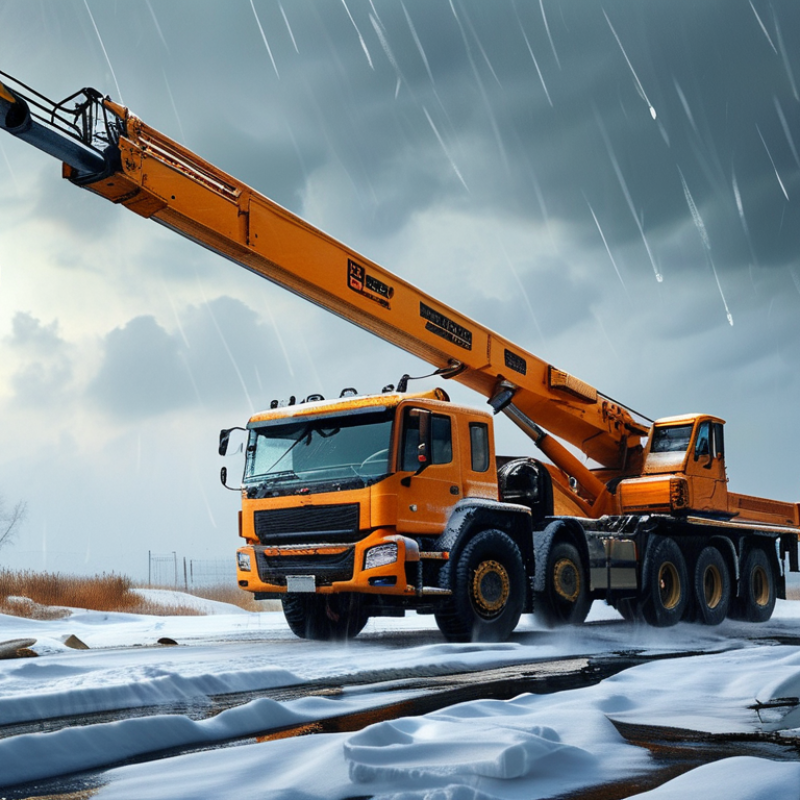
How to Enhance Weather Resistance of Outdoor Lifting Equipment?

Best Materials for Weather-Resistant Outdoor Lifting Equipment

When it comes to ensuring the weather resistance of outdoor lifting equipment, choosing the right materials is crucial. According to a report by the American Society of Mechanical Engineers, approximately 30% of equipment failures are attributed to environmental factors. Materials like stainless steel, coated aluminum, and specialized polymers stand out for their durability against rain, sunlight, and extreme temperatures. These materials can significantly extend the lifespan of lifting equipment, even in challenging climates.

Tips: Regularly inspect and maintain equipment. Corrosion can develop unnoticed, especially in humid areas. Adding protective coatings can also enhance resilience.

Incorporating UV-resistant and corrosion-resistant finishes makes a big difference. A study by the International Journal of Industrial Engineering reported that using these finishes can reduce maintenance costs by up to 50%. However, not all materials can withstand severe weather conditions indefinitely. Continuous experimentation with newer alloys and composite materials offers exciting prospects for future advancements. Careful material choice and ongoing assessment are key to optimizing equipment performance.

Tips: Keep an eye on weather forecasts. Storms can increase stress on lifting equipment. Inspect frequently during extreme weather events.

How to Enhance Weather Resistance of Outdoor Lifting Equipment? - Best Materials for Weather-Resistant Outdoor Lifting Equipment

Material Type Weather Resistance Durability (Years) Cost ($ per kg) Applications
Stainless Steel Excellent 15-30 2.50 Marine, Construction
Aluminum Alloys Good 10-20 3.00 Aerospace, Automotive
Polymeric Coatings Fair 5-10 1.50 Construction, Manufacturing
Galvanized Steel Good 10-25 1.80 Outdoor Equipment, Infrastructure
Titanium Alloys Excellent 20-50 10.00 Aerospace, Marine

Protective Coatings: Types and Benefits for Lifting Gear Longevity

Protective coatings play a crucial role in enhancing the weather resistance of outdoor lifting equipment. These coatings create a barrier against moisture, UV rays, and harsh environmental conditions. Different types of protective coatings are available, each offering distinct benefits. For example, epoxy coatings are ideal for heavy-duty protection. They adhere well and resist corrosion effectively. Polyurethane coatings, on the other hand, provide excellent UV stability and flexibility.

Choosing the right coating is not always straightforward. Factors such as the equipment's operating environment and specific exposure conditions must be considered. Some coatings may require more frequent maintenance, which can add to long-term costs. Additionally, improper application can lead to peeling or reduced effectiveness. Regular assessments and proper training on application techniques are vital for ensuring reliability.

Weather conditions can be unpredictable, affecting equipment performance. Even the best coatings may wear over time. Regular inspection and reapplication are necessary to maintain protection levels. It’s essential to strike a balance between cost and durability. Understanding these details can enhance the equipment's longevity and reduce the risk of unexpected failures.

Regular Maintenance Practices to Improve Equipment Weather Resistance

Outdoor lifting equipment faces harsh weather daily. Regular maintenance practices are essential for improving its weather resistance. It starts with thorough inspections. Check for rust, especially in joints and connections. A small rust spot can weaken the entire structure. Precise attention is crucial.

Cleaning the equipment is another key practice. Remove dirt and debris that may trap moisture. Use appropriate cleaners to avoid damage. Also, lubricating moving parts helps prevent corrosion. Use weather-resistant greases for added protection. Routine checks of seals and gaskets can prevent water ingress.

Proper storage also plays a role. Keep equipment in a sheltered area when not in use. If that’s not possible, invest in protective covers. However, even with all precautions, some issues may arise. Regularly revisit maintenance schedules. Reflecting on past performance can unveil overlooked aspects. Constant vigilance ensures reliability in various weather conditions.

Weather Resistance of Outdoor Lifting Equipment

This bar chart illustrates the impact of regular maintenance practices on the weather resistance of outdoor lifting equipment. The data highlights the effectiveness of different practices on enhancing weather resistance performance.

Understanding the Impact of Extreme Weather on Lifting Equipment Performance

Extreme weather poses significant challenges to the performance of outdoor lifting equipment. High winds, heavy rain, and extreme temperatures can lead to equipment failure and accidents. According to the Occupational Safety and Health Administration (OSHA), weather-related incidents account for nearly 30% of construction site injuries. This staggering statistic emphasizes the need to understand how these conditions specifically affect lifting operations.

To enhance weather resistance, consider the materials used in equipment design. For instance, selecting corrosion-resistant materials can improve longevity in humid conditions. Regular maintenance checks are vital for identifying wear due to environmental factors. This ensures that equipment remains in optimal working condition. Additionally, a report from the American Institute of Steel Construction highlights that lifting cranes need specialized coatings to withstand harsh climates effectively.

Tips:
- Regularly inspect your equipment after storms.
- Use protective covers during severe weather.
- Train staff on best practices for adverse conditions.

Equipment operating limits must also be carefully observed. High winds can significantly reduce load capacities, sometimes by up to 25%. This reduction affects overall safety and operational efficiency. Often, these conditions are underestimated, leading to unsafe practices. Organizations must continuously educate teams about the risks presented by various weather events, fostering a culture of safety.

Industry Standards and Certifications for Weather-Resistant Lifting Equipment

When considering outdoor lifting equipment, industry standards play a crucial role in enhancing weather resistance. Equipment must often meet specifications outlined by organizations such as the American National Standards Institute (ANSI) and the International Organization for Standardization (ISO). These associations provide frameworks that guide manufacturers in developing robust lifting solutions tailored for harsh environments. For instance, ANSI/ALI ALCTV-2017 outlines the necessary provisions for lift equipment to operate effectively under high winds and rain.


Recent studies show that weather-related failures account for nearly 20% of lifting incidents. This statistic underscores the need for weather-resistant equipment. Moreover, certifications like IP67 rating can indicate that equipment is dust-tight and can withstand being submerged in water up to 1 meter. This level of protection ensures that outdoor operators remain safe and effective.


Despite adherence to these standards, the real-world application presents challenges. Equipment exposed to constantly changing weather patterns may still deteriorate before expected. Regular inspections and maintenance become vital. Understanding local environmental factors is equally important. Each region presents unique weather challenges, like extreme heat or heavy snowfall, which should inform equipment selection and usage protocols.

FAQS

: What are the best materials for weather-resistant lifting equipment?

: Stainless steel, coated aluminum, and specialized polymers are highly durable against environmental conditions.

How can regular maintenance help outdoor lifting equipment?

Regular inspections help detect corrosion early, especially in humid climates. This can prevent equipment failure.

What role do protective coatings play in equipment durability?

Protective coatings enhance resilience against elements and can significantly extend the equipment's lifespan.

Why are UV-resistant finishes important?

UV-resistant finishes can reduce maintenance costs, making equipment more durable against sun exposure.

What standards exist for outdoor lifting equipment?

Equipment must meet standards like those from ANSI and ISO. These guidelines enhance safety and performance.

How do weather conditions affect lifting equipment?

Nearly 20% of lifting incidents are weather-related. Heavy rains or high winds can cause significant stress.

What does an IP67 rating mean?

An IP67 rating indicates equipment is dust-tight and can withstand temporary immersion in water.

Why is ongoing assessment of materials important?

Continuous assessment helps optimize performance and adapt to changing environmental challenges.

How can weather forecasts be useful for equipment operators?

Keeping an eye on forecasts can help operators prepare for storms, reducing equipment stress.

What unique challenges do different regions pose for equipment?

Regions may face extreme heat or heavy snowfall, requiring tailored equipment and usage protocols.

Conclusion

Enhancing the weather resistance of outdoor lifting equipment is crucial for ensuring longevity and optimal performance. To improve weather resistance of outdoor lifting equipment, selecting the best materials specifically designed to withstand harsh environmental conditions is essential. Additionally, applying protective coatings can significantly extend the lifespan of lifting gear by shielding it from moisture, UV rays, and corrosion.

Regular maintenance practices, such as inspections and timely repairs, are vital in mitigating the effects of extreme weather on equipment performance. Understanding how severe weather conditions can impact functionality helps operators make informed decisions. Moreover, adhering to industry standards and obtaining appropriate certifications further ensures that lifting equipment meets safety and durability expectations in adverse weather scenarios. By implementing these strategies, equipment operators can effectively enhance the resilience and reliability of their outdoor lifting gear.

Charlotte

Charlotte

Charlotte is a seasoned marketing professional with a deep understanding of the company's portfolio and a passion for elevating its presence in the market. With a keen eye for detail and a commitment to excellence, she ensures that our professional blog is regularly updated with insightful articles......