Difference Between Fixed and Mobile Loading Ramps 5 Key Tips?

Time:2026-08-04 Author:Liam
0%

Loading ramps are essential for efficient loading and unloading in various industries. Understanding the differences between fixed and mobile loading ramps is crucial for making informed decisions. What is the difference between fixed and mobile loading ramps? Fixed ramps are permanently installed in one location, offering stability and durability. They are ideal for locations with consistent traffic and heavy loads. In contrast, mobile ramps provide flexibility. Their design allows for easy relocation, making them suitable for dynamic environments.

Choosing the right ramp affects productivity and safety. Fixed ramps can handle significant weight but might require more space. Mobile ramps can adapt to different scenarios but may lack the same load capacity. It's important to weigh the benefits of each type according to your specific needs. Consider your workflow, space availability, and load types.

Investigating these differences can lead to better operational decisions. The choice between fixed and mobile ramps can reflect not only on efficiency but on employee safety as well. Reflect on your operational needs to find the best solution for your loading tasks.
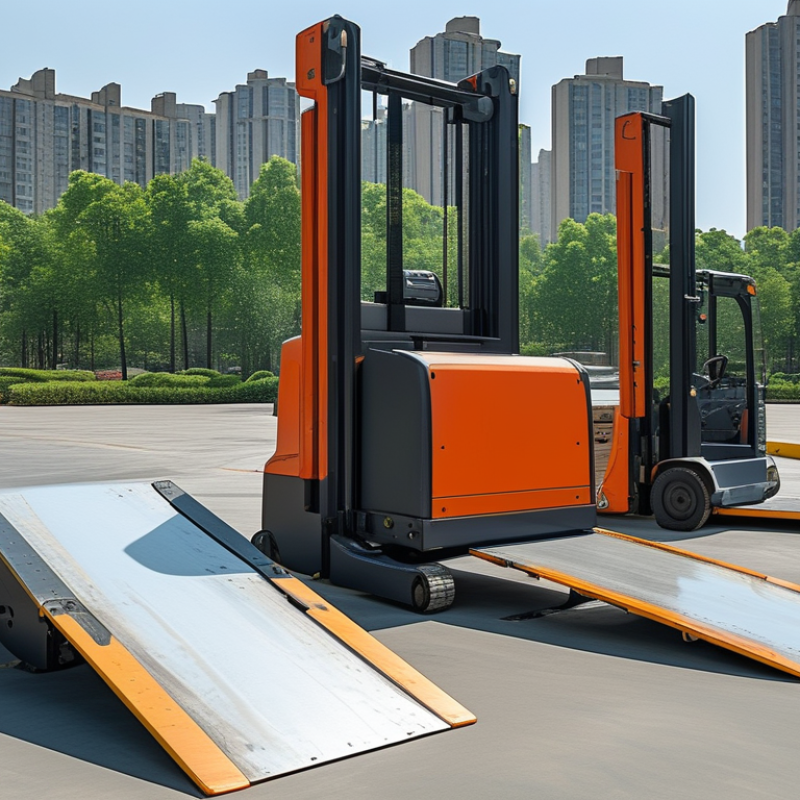
Difference Between Fixed and Mobile Loading Ramps 5 Key Tips?

Understanding Fixed Loading Ramps: Advantages and Features

Fixed loading ramps are crucial for efficient loading and unloading operations. They provide a stable and permanent solution for warehouses and distribution centers. Built to withstand heavy equipment, these ramps enhance safety and productivity. They ensure that forklifts or other vehicles can access loading docks with ease.

One notable advantage is their durability. Fixed loading ramps are often made from robust materials. This durability promotes longevity, making them a cost-effective investment. Additionally, fixed ramps can be designed to cater to specific height requirements. They maintain a consistent incline, which minimizes the risk of accidents.

Tip one: Assess the location before installation. Make sure the ramp fits well within your loading area. Tip two: Consider weight capacity. Choose ramps that can handle the heaviest loads you expect. These tips help optimize your operations and ensure safety. Proper planning can prevent costly mistakes and enhance workflow efficiency.

Exploring Mobile Loading Ramps: Benefits for Versatile Applications

Mobile loading ramps offer great flexibility for various applications. They can easily be moved from one location to another. This mobility allows for quick adjustments based on operational needs. According to industry reports, these ramps can reduce loading times by up to 30%. This efficiency can significantly enhance productivity.

In addition to flexibility, mobile loading ramps provide safety. Their design often includes features like non-slip surfaces and adjustable heights. These aspects help prevent accidents during loading and unloading. A study highlighted that implementing mobile ramps can decrease workplace injuries by up to 25%. However, not all designs are perfect. Some users report stability issues in heavy winds. Regular maintenance is crucial to address these concerns and ensure optimal performance.

Cost-effectiveness is another benefit of mobile loading ramps. Their versatility allows businesses to use them across different tasks. This eliminates the need for multiple fixed installations, which can be expensive. Yet, it is essential to assess the durability and longevity of these ramps. Some cheaper options may result in higher replacement costs over time. Investing in quality ramps can ultimately provide long-term savings and enhanced functionality.

Comparison of Fixed and Mobile Loading Ramps - Key Advantages

This chart illustrates key differences between Fixed and Mobile Loading Ramps across five critical factors: Cost Efficiency, Flexibility, Ease of Use, Portability, and Load Capacity. Fixed ramps generally offer better load capacity and efficiency, while mobile ramps excel in flexibility and portability, making them suitable for a variety of applications.

Key Differences Between Fixed and Mobile Loading Ramps

When choosing loading ramps, fixed and mobile options serve distinct needs. Fixed loading ramps, often seen in warehouse setups, provide a stable, permanent solution. They are designed for high-volume operations, allowing for efficient loading and unloading. Reports show that fixed ramps can enhance productivity by up to 30%, making them ideal for businesses with consistent freight traffic. However, their lack of flexibility can be a drawback.

Mobile loading ramps, on the other hand, offer versatility. They are ideal for job sites or situations where loading areas change frequently. These ramps can be moved easily, allowing for quick setups. Data indicates a preference for mobile ramps in sectors like construction, where adaptability is key. Their lightweight design often leads to lower costs in specific applications. Yet, users may find them less stable under heavy loads, requiring careful handling.

Different factors influence the choice between these ramps. For instance, weight capacity and operational needs can dictate the best fit. Industry experts suggest conducting a thorough evaluation of workflow demands before making a decision. Balancing efficiency with safety is crucial; both sides have merits that must align with organizational goals.

Difference Between Fixed and Mobile Loading Ramps - 5 Key Tips

Aspect Fixed Loading Ramps Mobile Loading Ramps
Installation Requires permanent setup Easily moved and set up as needed
Cost Typically higher initial investment Lower upfront cost, but may need more maintenance
Flexibility Less flexible, locked in place High flexibility, can be used in various locations
Durability Generally more durable, designed for heavy use May vary in durability based on design
Load Capacity Higher load capacity suitable for industrial use Can support moderate loads, varies by model

Factors to Consider When Choosing Between Fixed and Mobile Ramps

When choosing between fixed and mobile loading ramps, several factors come into play. Consider the nature of your work environment. Fixed ramps are ideal for facilities with a consistent workflow. They provide stability and can support heavy loads. Mobile ramps, however, offer flexibility. They are easy to relocate, making them suitable for various applications.

Evaluate the space you have available. Fixed ramps require permanent installation, which demands more real estate. On the other hand, mobile ramps can adapt to your layout. This mobility allows for better use of ground space. Weight capacity is another critical consideration. Ensure the ramp can handle the loads you plan to transport.

Think about your long-term needs. A fixed ramp could be costly upfront, but it may save money over time. Mobile ramps might seem cheaper, but they could require more maintenance. The decision should reflect your specific operational goals. A mismatch could lead to inefficiencies. Balance the pros and cons carefully to make the right choice.

Maintenance and Safety Tips for Loading Ramps: Fixed vs. Mobile

Loading ramps are essential for safe transportation of goods. Understanding the maintenance and safety aspects of fixed and mobile loading ramps is vital. According to the National Safety Council, nearly 100,000 injuries occur annually in material handling. This emphasizes the need for proper maintenance and inspection.

Fixed loading ramps generally require less frequent maintenance. However, they must be inspected regularly. Look for signs of wear, rust, or structural damage. Heavy use can sometimes compromise their integrity. On the other hand, mobile ramps need more attention. They should be checked after every use for stability and surface damage. The American Society of Safety Professionals suggests routine maintenance every six months.

Safety practices are crucial. Training workers on proper loading procedures can significantly reduce accidents. For fixed ramps, ensure they are always secured to prevent movement. For mobile ramps, using wheel chocks can add stability. Both types of ramps should have clear signage to warn workers of potential hazards. Neglecting these details can lead to serious accidents. Regular reviews and adjustments to procedures ensure ongoing safety.

FAQS

: What are the main benefits of fixed loading ramps?

: Fixed loading ramps provide stability, enhance safety, and improve productivity. They are ideal for consistent loading operations.

How durable are fixed loading ramps?

Fixed ramps are made from robust materials that ensure long-term use. This durability makes them cost-effective in the long run.

Which type of ramp is better: fixed or mobile?

It depends on your needs. Fixed ramps offer stability, while mobile ramps provide flexibility for various tasks.

What should be assessed before installing a fixed loading ramp?

Evaluate the location to ensure it fits your loading area well. Proper assessment prevents operational issues later.

How important is weight capacity when choosing a ramp?

Weight capacity is crucial. Ensure the ramp can handle the heaviest loads you anticipate transporting.

Can fixed ramps accommodate specific height requirements?

Yes, fixed ramps can be designed for specific height needs, maintaining a consistent incline during use.

Are mobile ramps easier to maintain than fixed ramps?

Mobile ramps may seem cheaper, but they often require more maintenance over time. Reflect on your long-term needs.

Will a mismatched ramp choice affect operations?

Yes, choosing the wrong ramp can lead to inefficiencies. Balance the pros and cons to make an informed decision.

Conclusion

When considering loading ramps, a fundamental question arises: what is the difference between fixed and mobile loading ramps? Fixed loading ramps are permanent installations that provide stable access for heavy machinery and goods, making them ideal for locations with consistent loading needs. They typically offer advantages such as durability and enhanced safety features but lack the flexibility of their mobile counterparts.

On the other hand, mobile loading ramps are designed for versatility and can be easily relocated according to varying operational requirements. They are particularly beneficial for businesses that need to adapt to changing loading scenarios. When choosing between the two, factors such as the specific application, space constraints, and safety considerations should be evaluated. Additionally, understanding maintenance and safety best practices for each ramp type is essential to ensure efficiency and prevent accidents in loading operations.

Liam

Liam

Liam is a dedicated marketing professional with a profound expertise in the industry, where he excels at highlighting the unique advantages of our core products. With a keen understanding of market trends and consumer needs, Liam frequently updates our company’s professional blog, providing......