Top 10 Ways to Cut Energy Use for Electric Lifting Platforms?

Time:2026-05-28 Author:Sienna
0%

Electric lifting platforms are essential for various industries, but their energy consumption can be significant. Businesses are increasingly seeking ways to reduce costs and improve sustainability. Understanding how to reduce energy consumption of electric lifting platforms becomes crucial.

In this article, we will explore the top ten strategies to achieve energy efficiency. Each method has its unique benefits, yet they require careful implementation. For instance, regular maintenance can prevent energy waste. An overlooked detail can lead to inefficiencies.

Energy audits are another practical approach. They reveal hidden energy use and inform better practices. Implementing advanced technologies, like data analytics tools, can also enhance efficiency. Despite these benefits, some companies may hesitate to change existing systems. This reluctance can hinder progress in energy savings. Realizing the potential for reduced energy use is a step toward more sustainable operations.
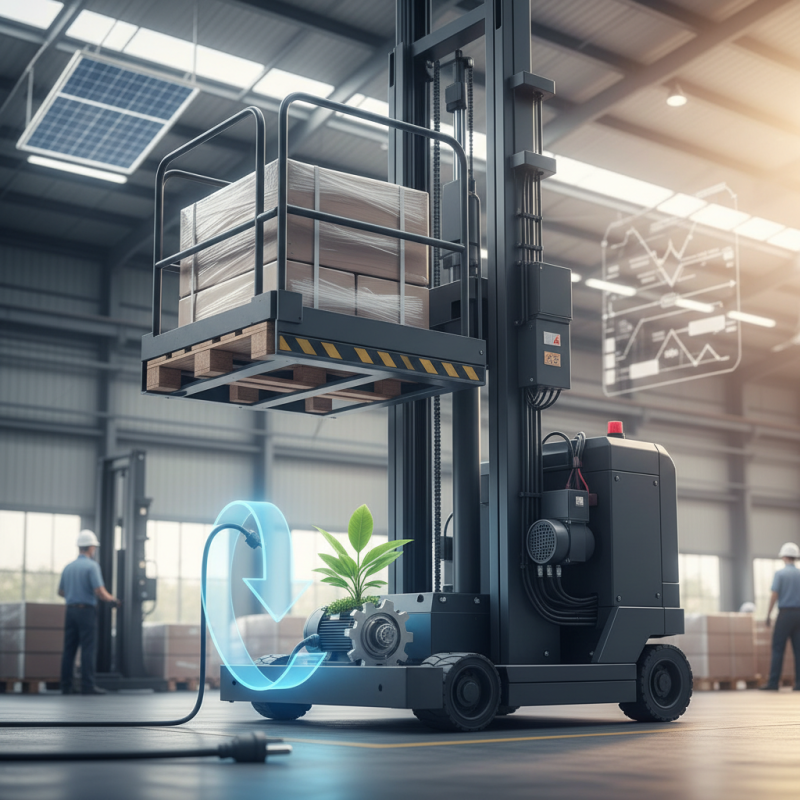
Top 10 Ways to Cut Energy Use for Electric Lifting Platforms?

Benefits of Reducing Energy Consumption in Electric Lifting Platforms

Reducing energy consumption in electric lifting platforms can lead to significant benefits. Enhanced efficiency is one of the primary advantages. When energy use decreases, the overall operational costs drop. This reduction can have a direct positive impact on the bottom line. Companies can allocate resources more effectively.

Moreover, lowering energy use contributes to environmental sustainability. Fewer emissions are produced when less energy is consumed. This alignment with green initiatives can improve a company's reputation. It shows a commitment to responsible practices, which resonates with clients and stakeholders alike. There might be challenges in implementing these changes. Training staff or investing in upgrades requires time and funds. However, the long-term benefits often outweigh these initial hurdles.

Investing in energy-efficient technologies can also bring greater reliability. Less energy consumption often means less strain on equipment. This can prolong the lifespan of the lifting platforms. While some organizations may hesitate to adapt, the potential for enhanced productivity and lower maintenance costs is compelling. Organizations should continuously reflect on their energy strategies to identify further areas for improvement.

Implementing Energy-Efficient Drive Systems for Reduced Power Use

Electric lifting platforms are vital in many industries. However, their energy consumption can be a significant cost factor. Implementing energy-efficient drive systems can greatly reduce power use. These systems enhance motor performance and minimize energy waste. By improving the design of the drive components, operations can become smoother and more efficient.

Choosing the right drive system is crucial. For example, Variable Frequency Drives (VFDs) can adjust motor speed based on load demands. This adaptability reduces unnecessary energy consumption. Additionally, regenerative drives can generate energy during descents, feeding it back into the system. This approach not only saves energy but also extends the lifespan of equipment.

Maintenance is another essential aspect. Regular checks on the drive systems ensure they operate at peak efficiency. Neglect can lead to energy losses and higher operational costs. Proper training for operators can also help in identifying energy wastage. Awareness often leads to more conscious use of machinery. Small changes can make a big difference in energy savings over time.

Top 10 Ways to Cut Energy Use for Electric Lifting Platforms

Regular Maintenance Practices to Enhance Energy Efficiency in Operations

Regular maintenance of electric lifting platforms is crucial for energy efficiency. A report from the U.S. Department of Energy revealed that poorly maintained equipment can waste up to 30% of energy. Regular checks on battery health, hydraulic fluids, and the mechanical components can prevent this loss. For instance, checking the hydraulic fluid levels and condition can reduce energy consumption significantly, ensuring smooth operation.

Another important aspect is the calibration of load sensors. Miscalibrated sensors can lead to overworking the equipment. This inefficiency not only drains energy but also increases wear and tear. Research indicates that proper calibration can improve energy use by up to 15%. Periodic assessment of the control systems also plays a key role. By ensuring that systems are operating at optimal settings, operators can enhance both performance and efficiency.

Furthermore, operators often overlook simple practices like cleaning and lubricating moving parts. Dust and debris can impede motion, leading to unnecessary energy expenditure. According to industry experts, regular cleaning can improve efficiency by 10-12%. However, many operators neglect this aspect, leading to higher operational costs. Investing in routine maintenance not only fosters energy efficiency but is also essential for extending the lifespan of lifting platforms.

Utilizing Advanced Control Systems to Optimize Energy Usage

Electric lifting platforms are becoming more prevalent in various industries. To reduce energy consumption, integrating advanced control systems is essential. These systems enhance efficiency while minimizing waste. They can fine-tune power levels based on load and usage patterns.

Using algorithms, advanced control systems adjust energy output in real time. This adaptability can lead to significant energy savings. However, installing such systems can be complex. Maintenance may also require specialized knowledge. Industries must consider training personnel to manage these technologies.

In some cases, older platforms lack compatibility with modern control systems. Upgrading can be costly and time-consuming. It’s vital to evaluate the long-term benefits against the initial expenses. Real-world testing shows that these systems can cut energy use by up to 30%. Adopting advanced technology is a step toward sustainability but must be balanced with practical constraints.

Incorporating Renewable Energy Sources for Sustainable Lifting Solutions

Integrating renewable energy sources into electric lifting platforms can create a significant impact on energy consumption. Reports indicate that electric lifting equipment accounts for about 20% of energy usage in the construction sector. By utilizing solar panels or wind turbines, companies can reduce dependence on grid electricity. Research shows that a multi-site project can cut energy costs by up to 30% when renewable sources are implemented.

Using solar power for lifting platforms can enhance sustainability. A solar-equipped platform can save, on average, 2,000 kilowatt-hours annually. This not only reduces operational costs but also minimizes carbon footprint. However, challenges exist. Energy storage technology is still developing. Batteries may not always provide the necessary power during peak usage.

Wind energy is another viable option. Areas with consistent wind can benefit greatly. However, the initial setup costs can be high. Investments in wind turbines need careful consideration regarding location and maintenance. Adopting a hybrid system may address energy reliability issues while promoting sustainability. Innovations in energy-efficient motors also play a crucial role. These advancements can lead to a more balanced approach in achieving energy efficiency.

FAQS

: What are the benefits of reducing energy consumption in electric lifting platforms?

: Reducing energy consumption enhances efficiency and lowers operational costs. It positively impacts the bottom line, allowing better resource allocation.

How does reduced energy consumption affect the environment?

Lower energy use leads to fewer emissions and supports environmental sustainability. This highlights a company’s commitment to responsible practices.

What challenges might companies face in reducing energy consumption?

Implementing changes requires time and funds for staff training and system upgrades. Overcoming these hurdles is essential for long-term benefits.

How do advanced control systems optimize energy usage?

Advanced control systems adjust energy output in real-time based on load and usage. This minimizes waste and enhances efficiency.

Are there compatibility issues with older electric lifting platforms?

Yes, older platforms may not work with modern control systems. Upgrading these systems can be costly and time-consuming.

What impact can renewable energy sources have on electric lifting platforms?

Integrating renewable sources like solar or wind can significantly reduce energy costs. They can save large amounts of kilowatt-hours annually.

What are the limitations of using solar energy for lifting platforms?

While solar power enhances sustainability, energy storage technology is developing. Batteries may struggle during peak usage, leading to reliability issues.

Is wind energy a viable option for electric lifting platforms?

Wind energy can be effective in areas with consistent wind. However, high initial setup costs and maintenance need careful consideration.

How can companies balance technology upgrades and sustainability?

Investing in energy-efficient solutions can improve reliability and productivity. Organizations need continuous reflection on their energy strategies.

What role do innovations in energy-efficient motors play?

Innovations in motors can significantly enhance energy efficiency in lifting platforms. They are essential for a balanced approach to sustainability.

Conclusion

To effectively address the question of how to reduce energy consumption of electric lifting platforms, various strategies can be implemented. The benefits of reducing energy usage include lower operational costs and a smaller environmental footprint. One of the primary methods is to adopt energy-efficient drive systems that optimize power use without sacrificing performance. Additionally, regular maintenance practices are essential to ensure that the equipment operates at peak efficiency.

Advanced control systems play a crucial role in optimizing energy usage by allowing for more precise operation and minimizing waste. Furthermore, incorporating renewable energy sources can lead to sustainable lifting solutions, significantly decreasing reliance on conventional power supplies. By combining these approaches, businesses can significantly enhance the energy efficiency of their electric lifting platforms, resulting in substantial cost savings and an overall positive impact on sustainability.

Sienna

Sienna

Sienna is a skilled marketing professional with a deep expertise in our company’s core products and services. With a passion for innovation and detail, she plays a pivotal role in crafting insightful blog posts that not only highlight the unique features of our offerings but also provide valuable......