Choosing the right equipment for container loading is crucial for efficiency and safety. Proper equipment impacts productivity, reduces costs, and ensures the protection of goods. Understanding how to choose suitable equipment for container loading and unloading can seem daunting, yet it is vital for successful operations.
Many factors influence the choice of equipment. The type of cargo, its weight, and destination play significant roles. Inadequate equipment may lead to delays and damages, resulting in financial losses. It's essential to assess not just current needs, but also future demands. Evaluating equipment options requires expertise and experience. This process should never be rushed.
It's common for businesses to overlook equipment specifics. Sometimes, companies might select based on brand reputation alone. However, practical considerations should guide decisions. Consider whether the equipment can handle various container sizes and weights. Reflecting on past loading experiences can provide valuable insights. In many cases, investing time in research pays off in the long run.
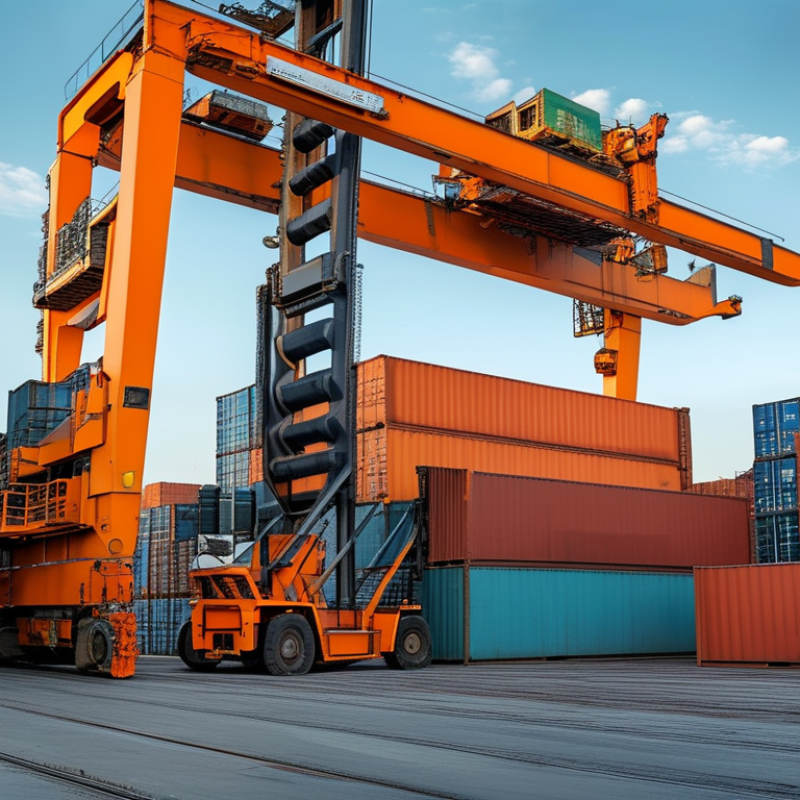
Choosing the right equipment for container loading is crucial in logistics. The options available vary widely based on the type of cargo, weight, and destination. Research shows that improper loading techniques can lead to a 30% increase in damage during transit. This highlights the need to match equipment with the specific requirements of each load.
Common equipment includes forklifts, pallet jacks, and cranes. Forklifts are efficient for heavy loads. They can lift up to 10,000 pounds. However, they may not be suitable for all container types. Pallet jacks are ideal for lighter loads and narrow spaces, yet they require manual effort. Cranes offer versatility but can be expensive to operate. According to a recent survey, 25% of companies reported equipment malfunction during peak times. This can delay operations and increase costs.
Maintenance is often overlooked but is essential for safety and efficiency. Regular checks can prevent accidents. It's also crucial to train staff on equipment use. With improper training, the risk of injury can rise. The right equipment and practices significantly impact productivity and safety. Identifying which tools to employ can make a difference in performance and reliability.
: The right equipment enhances efficiency and prevents delays or damage during the loading process.
Equipment capacity, safety features, operator experience, and the work environment are key factors.
Reliable braking systems and secure strapping mechanisms are essential for safe loading operations.
Regular visual inspections, operator training, and maintenance logs are crucial for keeping equipment in good condition.
Operators must be trained to handle equipment effectively to avoid accidents and ensure smooth operations.
Regular checks, ideally before every use, help prevent breakdowns and costly delays.
Document repairs, service history, and recurring issues to inform future equipment decisions.
Renting can be flexible and economical compared to purchasing, especially for short-term needs.
Neglecting maintenance can lead to increased risks, costly repairs, and operational downtime.
Learning from past equipment failures can guide better maintenance practices and equipment choices.
Choosing the right equipment for container loading and unloading is essential for ensuring efficiency and safety in logistics operations. Understanding the various equipment options available is crucial, as different types of machinery serve specific purposes and can significantly affect the speed and effectiveness of the loading process. Factors to consider when choosing equipment include the type of cargo, container size, and the operational environment, which all play a vital role in maximizing loading efficiency.
To enhance safety and efficiency, it's important to recognize the impact of equipment quality on loading procedures and to adhere to best practices for equipment maintenance. Common types of equipment used in container loading include forklifts, container handlers, and cranes. By focusing on how to choose suitable equipment for container loading and unloading, operators can improve workflow, minimize risks, and ultimately contribute to a more streamlined logistics operation.

 Benefits Machinery