Choosing the right equipment for container loading and unloading is crucial for efficiency and safety. Many businesses overlook this aspect. The right tools improve workflow and reduce the risk of accidents. It is essential to understand how to choose suitable equipment for container loading and unloading.
When considering equipment, factors like weight capacity and handling features are vital. Equipment such as forklifts, cranes, and specialized containers must match the load. Additionally, training for staff on using these tools can’t be ignored. Mishandling can lead to injuries or damaged cargo.
It's also important to evaluate the work environment. Indoor and outdoor conditions affect equipment performance. Regular maintenance is necessary to ensure reliability. This process might require investment but brings long-term benefits. By being mindful of these considerations, a business can enhance its operational efficiency significantly. Remember, the cost of wrong choices can be high. Reflect on the most suitable options regularly.
Understanding the Types of Equipment Used for Container Operations
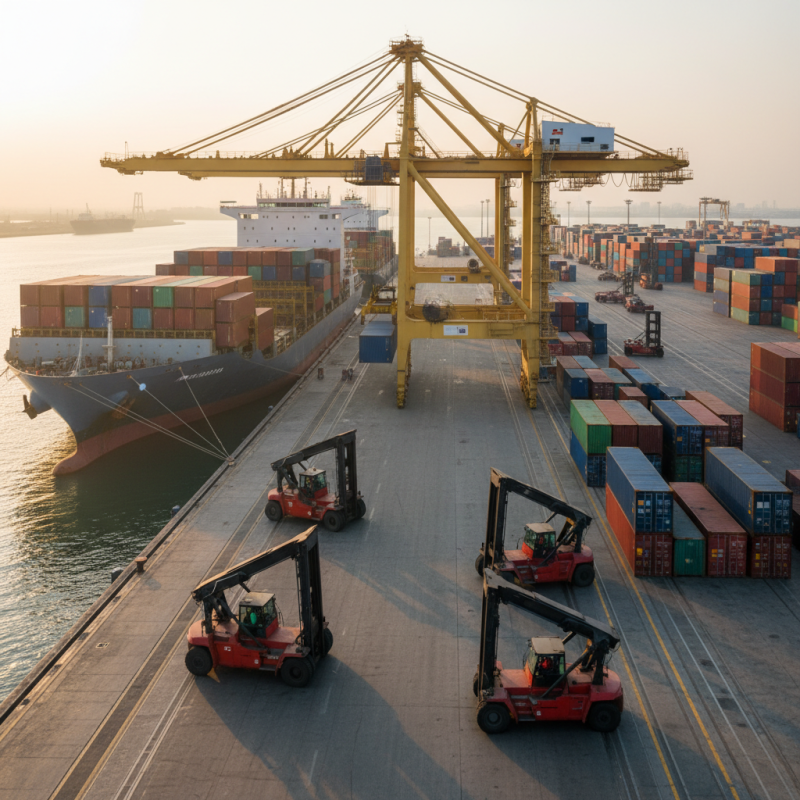
When considering equipment for container operations, it's essential to understand the different types available. The primary categories include forklifts, reach stackers, and gantry cranes. Each serves a unique purpose and has distinct advantages.
Forklifts are versatile and great for moving containers over short distances. They are common in warehouses and distribution centers.
Reach stackers are designed for efficient stacking and unloading of containers. They offer flexibility, especially in tight spaces. Their ability to lift heavy loads makes them suitable for ports and shipping yards. However, they require skilled operators for safe handling.
Gantry cranes, on the other hand, are ideal for large-scale operations. They excel in lifting containers directly from ships onto trucks or train beds. Their size can be intimidating, and they often need extensive space.
Choosing the right equipment demands careful consideration of your operational needs. It's about balancing efficiency and safety. The cost is also a crucial factor. A mistake in equipment choice can lead to delays and increased expenses. Reflecting on past experiences can help identify the best tools for your specific situation.
Regular training and updates on safety practices are equally important. Without them, even the best equipment can become a liability.
Evaluating Load Capacity and Weight Restrictions for Efficient Loading
Choosing the right equipment for container loading and unloading is crucial. Evaluating load capacity and weight restrictions can greatly enhance efficiency. The load capacity of your equipment determines how much weight it can safely handle. Overloading can lead to equipment failure or accidents.
When assessing equipment, check the specifications carefully. Equipment must comply with industry standards. If the weight is too high, it could risk safety. Always consider the maximum weight of your containers. Sometimes, equipment looks capable, but it might not be.
Tips: Regularly inspect your equipment for wear and tear. Small cracks or rust could indicate potential issues. Utilize load charts to avoid confusion over capacity.
Remember, the right choice isn't always obvious. Ensure your team knows how to operate the equipment safely. Training is often overlooked but is essential for efficiency and safety. Adjustments may be needed as loads vary. Prioritize communication among team members regarding weight limits. This avoids misjudgments in heavy lifting scenarios.
Load Capacity and Weight Restrictions for Container Equipment
Assessing Site Conditions for Optimal Equipment Selection
When assessing site conditions for optimal equipment selection in container loading and unloading, several factors must be considered. The available space is crucial. A compact area may restrict the size and type of equipment used. For instance, large forklifts might not maneuver well in tight spots. Look at the surface type too. A gravel or uneven surface can hinder smooth operations.
Evaluate the environment as well. Weather conditions can impact equipment performance and safety. Rain or strong winds may pose risks, affecting operations and requiring contingency plans. Assessing the accessibility to the loading and unloading area is vital. This includes road conditions and entry points for trucks or cranes. A poorly designed layout can complicate the process.
Remember to review the power supply needs. Some equipment requires significant energy, and an inadequate power source can lead to delays. Be mindful of local regulations related to noise and emissions. These factors may restrict certain equipment choices. Lastly, involve operators in the decision-making process. Their firsthand experience can provide valuable insights. There's always room for improvement; feedback from them can enhance future equipment selections.
Considering Automation Options for Enhanced Efficiency and Safety
When considering automation options for container loading and unloading, it's essential to focus on enhancing efficiency and safety. Automation helps streamline operations and reduce human error. According to a recent industry report, automated systems can improve loading times by up to 30%. This significant reduction is crucial for maintaining productivity in busy ports.
Tips: Implement data analytics. This approach can help identify bottlenecks and optimize loading patterns. Accurate data not only enhances performance but also improves safety measures by predicting potential hazards.
The adoption of automated loading and unloading systems varies across the industry. While some facilities enjoy seamless transitions, others face hesitance due to upfront costs and training needs. A survey indicated that 45% of companies are hesitant to invest in automation, fearing technology risks. However, the long-term benefits often outweigh these concerns, especially with advancements in machine learning and AI.
Tips: Regularly train staff on automated systems. Ensure they understand both the technology and emergency procedures. This preparation can reduce accidents and enhance overall safety in the workplace. Continuous feedback and improvement will be pivotal for any operation looking to advance.
Budgeting for Container Handling Equipment and Maintenance Costs
When budgeting for container handling equipment and maintenance costs, consider various factors that influence your expenses. According to industry research, maintenance costs can account for 20-30% of your total operational budget. This means a significant portion of your funds should be allocated towards keeping equipment in optimal condition. Overlooking regular maintenance can lead to unexpected breakdowns and costly repairs.
Investing in the right equipment can also impact long-term expenses. For example, energy-efficient machinery may have higher upfront costs but could reduce operational expenses by up to 15% annually. Durable equipment may require fewer replacements over time, ultimately saving money. It’s essential to analyze the total cost of ownership and not just the initial purchase price.
Tips: Always track your maintenance records. This will help in forecasting expenses accurately. Consider implementing a maintenance schedule to avoid sudden costs that disrupt your budget. Regularly review your equipment’s performance to identify potential areas for improvement, which can further reduce costs.
FAQS
: Check the load capacity and weight restrictions for safety and efficiency.
Overloading can cause equipment failure or accidents, risking safety and productivity.
Training ensures safe operation and enhances efficiency, but it is often overlooked.
Automation can enhance efficiency, reduce human error, and streamline operations.
Consider initial costs, maintenance, and energy efficiency to manage long-term expenses.
Keep detailed maintenance records and implement a regular maintenance schedule.
Upfront costs and training needs can be deterrents for some companies.
Data analytics helps identify bottlenecks and optimize loading patterns, improving efficiency.
Overlooking maintenance can lead to unexpected breakdowns and increased repair costs.
Communication about weight limits is crucial to avoid misjudgments and accidents.
Conclusion
Choosing the right equipment for container loading and unloading is crucial for optimizing efficiency and safety in cargo operations. To begin with, understanding the different types of equipment available is essential, as it allows operators to match specific machinery with the demands of their operations. Evaluating the load capacity and weight restrictions of each piece of equipment ensures that it can handle the intended containers safely without exceeding limits.
Additionally, assessing site conditions helps in selecting equipment that can function effectively in the given environment, whether it be a busy port or a confined warehouse space. Considering automation options can further enhance operational efficiency and safety, streamlining processes and reducing human error. Lastly, it is important to budget not only for the initial purchase of container handling equipment but also for ongoing maintenance costs to ensure long-term reliability. By following these guidelines, one can effectively determine how to choose suitable equipment for container loading and unloading.

 Benefits Machinery