Choosing the right equipment for heavy cargo handling is critical in today's logistics industry. According to a 2022 report by the Material Handling Industry of America, the effective management of heavy loads can enhance operational efficiency by over 25%. This statistic highlights the necessity for businesses to focus on optimal equipment selection. However, many companies struggle with this crucial process.
How to choose equipment for heavy cargo handling involves understanding various factors like weight capacity, maneuverability, and specific operational requirements. Each of these elements plays a vital role in ensuring safety and efficiency. Industry experts emphasize that improper equipment can lead to delays and increased costs. In fact, a survey conducted by the Warehousing Education and Research Council found that 40% of organizations experienced challenges due to inadequate or unsuitable equipment.
Companies must evaluate their needs carefully. Engaging with industry specialists can provide valuable insights. However, the quest for the best solution is not straightforward. Continuous assessment and adaptation are essential as technology advances. Understanding the landscape of heavy cargo handling can empower businesses to make informed decisions. Failing to do so can lead to missed opportunities and financial setbacks.
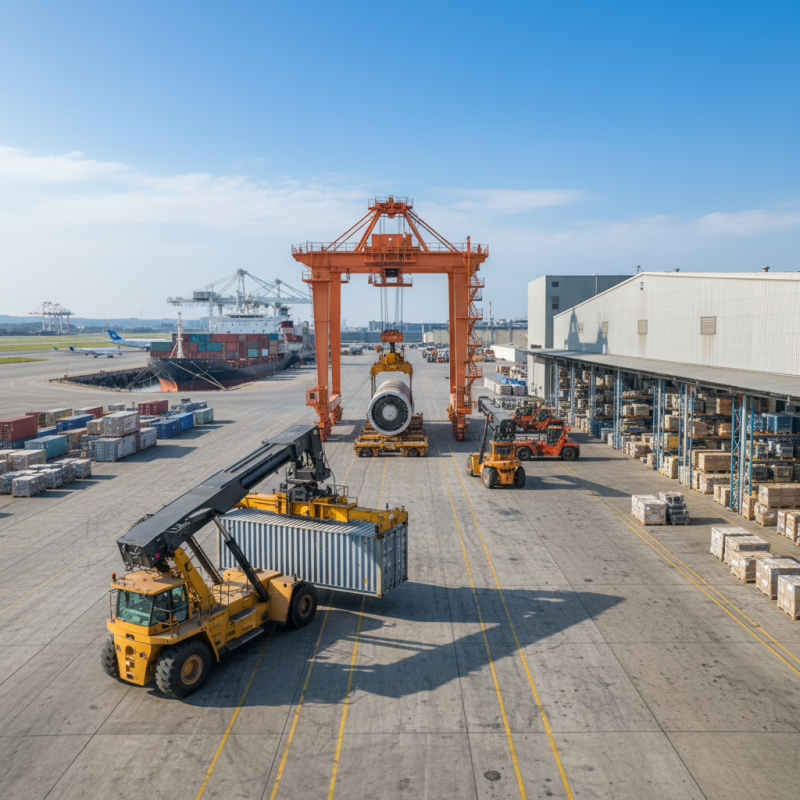
When selecting heavy cargo handling equipment, understanding the different types available is crucial. The industry offers a variety of options that cater to specific needs. Forklifts are commonly used for lifting and transporting heavy loads. They can handle weights ranging from 3,000 to 15,000 pounds. According to the Material Handling Industry’s report, over 80% of all warehouses employ forklifts for efficient operations.
Another important type of equipment is gantry cranes. These cranes are used for lifting large or heavy items, especially in shipping yards and docks. They can lift cargo weighing over 100 tons. A study from the International Journal of Industrial Engineering estimates the global gantry crane market will grow by 5.2% annually. Such growth indicates the ongoing demand for reliable equipment in industries like logistics and construction.
Telehandlers are also gaining popularity in heavy cargo handling. These versatile machines can extend and maneuver loads in challenging environments. They are often used on construction sites where space is limited. However, operators need proper training to maximize safety and efficiency. The Occupational Safety and Health Administration has documented significant accidents related to improper use. Understanding the equipment types and their capabilities is essential for choosing the right tools for heavy cargo handling.
: Forklifts and gantry cranes are popular. Forklifts lift 3,000 to 15,000 pounds. Gantry cranes can handle over 100 tons.
Weather and ground stability affect performance. About 30% of equipment failures arise from unsuitable environmental conditions.
Assessing the site ensures the right equipment choice. Uneven ground may require specialized machines for stability.
Limited space may necessitate smaller equipment. 40% of companies report delays due to equipment fitting issues.
Budgeting should include initial costs and long-term maintenance. Consider features, capacity, and potential downtime.
Deferred maintenance can lead to quick degradation. Equipment might seem fine but can fail without proper care.
Incorrect equipment choice can lead to increased costs. It may also cause delays and impact overall efficiency negatively.
Proper operator training is crucial for safety. Misuse can result in significant accidents, according to safety regulations.
When considering how to choose equipment for heavy cargo handling, it's essential to understand the various types of equipment available, as different tasks may require specialized machinery. Evaluating load capacities and specifications is crucial to ensure that the selected equipment can safely and effectively handle the intended cargo. Additionally, factors such as environmental conditions and site limitations need to be assessed, as they can significantly impact equipment performance and safety.
Equally important is the assessment of safety features and compliance standards, as they are vital for minimizing risks during operation. Finally, budgeting for both the initial purchase and long-term maintenance costs will help ensure sustainable operations. By carefully considering these elements, businesses can make informed decisions that enhance efficiency and safety in heavy cargo handling.

 Benefits Machinery