Lifting platforms are essential in various industries, enabling safe and efficient elevation of workers and materials. However, safety devices on these platforms are crucial for preventing accidents. According to a report by the Occupational Safety and Health Administration (OSHA), falls account for nearly 36% of all construction fatalities. This staggering statistic underscores the need for rigorous safety checks.
How to check safety devices before using lifting platforms is a fundamental inquiry. Regular inspections are not just best practices; they are legal requirements in many regions. The American National Standards Institute (ANSI) recommends pre-use inspections to include checks for safety features, emergency alarms, and proper operation of platforms. Despite this, some operators may overlook these steps or feel they can skip them. This negligence can lead to dangerous situations.
A comprehensive inspection helps ensure that safety devices function as intended. Regular training sessions can reinforce the importance of these checks. It’s important to acknowledge that even trained personnel may forget critical steps. Therefore, creating a checklist can serve as a reliable tool. Ultimately, understanding how to check safety devices before using lifting platforms can save lives and prevent injuries.
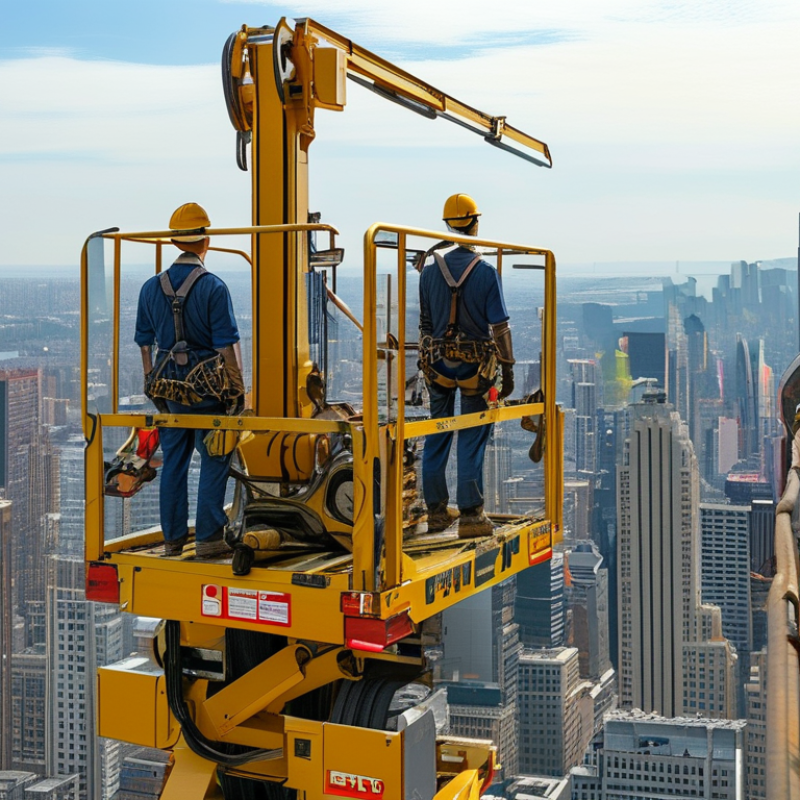
Safety devices on lifting platforms are crucial for preventing accidents and injuries. Understanding their importance is the first step in ensuring a safe working environment. These devices include safety brakes, emergency stop buttons, and overload sensors. Each component plays a vital role in protecting operators and bystanders. Regular checks can identify issues before they become dangerous.
Routine inspections are key. Operators should verify that all safety devices function correctly before using lifting platforms. For instance, testing the emergency stop button ensures rapid response in emergencies. If a safety brake malfunctions, it can lead to catastrophic failure. Ignoring these checks can have dire consequences.
Safety devices need to be inspected even if they seem functional. This requires attention to detail and a proactive mindset. A small issue today can escalate into a major hazard tomorrow. Empowering workers with knowledge about these devices is beneficial. It cultivates a culture of safety and accountability. Each operator should take ownership of their equipment, fostering an environment where everybody prioritizes safety.
Lifting platforms play a crucial role in many industries, making safety devices essential for ensuring operator protection. Common safety devices include emergency stop buttons, overload protection systems, and safety barriers. According to a report by the Occupational Safety and Health Administration (OSHA), nearly 60% of lifting platform accidents involve failure in these safety mechanisms. Proper checks can prevent tragedies.
Emergency stop buttons must be easily accessible. They should respond quickly when engaged. Overload protection systems limit weight loads, reducing the risk of equipment failure. A study by the National Institute for Occupational Safety and Health (NIOSH) indicates that enforcing these systems lowers accident rates. However, many operators overlook these checks.
Safety barriers are vital for preventing falls and ensuring personnel remain safe during operation. Yet, they can sometimes be improperly installed or damaged. Regular inspections are key. Monitoring these safety features should be routine but often isn't, leading to lapses in operational safety. Before each use, ensure all devices function correctly; inconsistency in checks can lead to dangerous outcomes.
Before using lifting platforms, inspecting safety devices is crucial. Start by visually examining the emergency stop button. It should be easily accessible and functional, ready to halt operation instantly. Check if the button shows any signs of damage or wear. An inoperative stop button can lead to dangerous situations.
Next, inspect the safety guard rails. Make sure they are sturdy and free from any obstructions. Ensure they are properly installed and secure. Faulty guard rails can increase the risk of falls. Don't forget to examine the safety locks and brakes. Test them to confirm they engage properly. A malfunctioning lock can compromise safety significantly.
Lastly, evaluate the platform's load capacity labels. Confirm they are clear and legible. Misunderstanding weight limits can lead to accidents. Ask yourself: Is the platform free from debris? Are all parts functioning without unusual noises? Reflecting on these questions can uncover areas needing attention. Regular inspections promote safety and responsibility in operating lifting platforms.
When using lifting platforms, inspecting safety devices is crucial. Signs of wear and damage can signal potential failures. Regular checks can prevent accidents and costly downtime. According to industry reports, 30% of lifting device accidents result from faulty safety mechanisms. Identifying these issues early can save lives.
Common signs of wear include frayed cables, rusted components, or loose connections. Inspect safety switches for responsiveness. If a switch sticks or feels weak, it may need replacement. Shock absorbers should not show signs of leakage. Regularly scheduled maintenance reduces unforeseen failures.
Drivers may notice unusual noises or erratic operations. These are possible indicators of deeper issues. Some professionals recommend a system of routine checks documented clearly. This promotes accountability among users. Training on how to identify signs of damage is essential. Not all operators may recognize subtle cues during use. Consistent checks can foster a culture of safety, reducing risks significantly.
When using lifting platforms, checking safety devices is crucial. Proper documentation ensures accountability and traceability. Each check should be recorded in a logbook. Include details like the date, time, and specific devices examined. This practice enhances transparency and reinforces safety protocols.
Reporting any issues found is equally important. If a safety device fails, outline the nature of the issue. Document it immediately. Designate responsibility for repairs or replacements. This structured approach helps prevent oversights and creates a culture of safety within the organization.
In practice, crew members sometimes forget to document checks. This creates gaps in safety records. Regular training on documentation processes can help minimize these errors. Encourage feedback from operators about the check procedures. Continuous improvement is key to enhancing safety and maintaining compliance.
| Device Name | Check Frequency | Last Check Date | Status | Comments |
|---|---|---|---|---|
| Emergency Stop Button | Monthly | 2023-09-15 | OK | Functioning properly |
| Overload Limit Switch | Quarterly | 2023-08-01 | Needs Attention | Calibration required |
| Safety Guard | Weekly | 2023-09-22 | OK | No issues detected |
| Emergency Lowering System | Bi-Annually | 2023-06-30 | OK | Operated successfully |
| Safety Latch | Annually | 2022-11-10 | Pending | Due for check |
: Common devices include emergency stop buttons, overload protection systems, and safety barriers. Each ensures operator safety.
Regular inspections can identify wear and damage, preventing potential failures and accidents. Insights can save lives.
Look for frayed cables, rust, loose connections, or unresponsive switches. These can indicate the need for maintenance.
Record checks in a logbook with the date, time, and devices inspected. This promotes accountability and transparency.
Inconsistency in inspections can lead to dangerous failures, resulting in accidents and costly downtime.
Training helps operators identify signs of damage and reinforces the importance of regular inspections. Continuous learning is key.
Yes, crew members often forget to document checks, creating gaps in safety records. Regular reminders help improve compliance.
Report the issue immediately, outlining its nature, and designate responsibility for repairs. Quick action prevents oversight.
Unusual noises or erratic operations might signal deeper problems. Routine checks can reveal these issues early.
Consistent checks, documented procedures, and operator feedback can enhance safety awareness and reduce risks significantly.
In the operation of lifting platforms, ensuring the functionality of safety devices is paramount for preventing accidents and ensuring user safety. "How to check safety devices before using lifting platforms" involves a comprehensive understanding of the various safety devices that are typically employed, including emergency stops, overload sensors, and guardrails. Inspecting these devices meticulously is essential; a step-by-step inspection procedure can help operators identify any signs of wear and damage.
During the inspection, users should thoroughly assess each safety device for proper functioning and any visible deterioration. It is also important to document the findings and report any discrepancies immediately to facilitate timely repairs. Regular checks not only comply with safety regulations but also promote a culture of safety in the workplace, minimizing risks associated with lifting platform operations.

Benefits Machinery