Accidents during platform lifting operations can lead to severe injuries and financial losses. Therefore, it's crucial to prioritize safety in these environments. Understanding how to prevent accidents during platform lifting operations can save lives and resources.
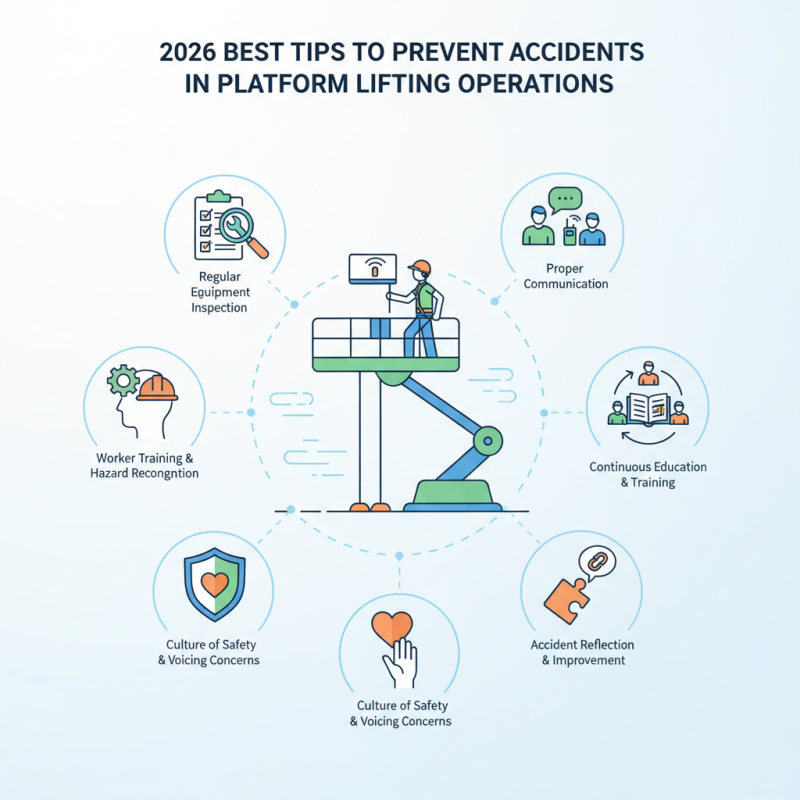
In 2026, the focus on safety has intensified. Workers are trained to recognize hazards, but human error often occurs. This highlights the need for constant vigilance and improvement in safety protocols. Equipment must be regularly inspected to ensure it meets safety standards. Moreover, proper communication among team members is essential.
Implementing safety measures is not a one-time effort. It requires continuous education and periodic training sessions. Organizations must also foster a culture of safety where employees feel encouraged to voice concerns. These steps can significantly reduce risks, but challenges remain. Every accident should prompt reflection on existing practices to achieve better outcomes in the future.
Training operators in platform lifting safety is critical to accident prevention. Proper training programs must include thorough instruction on equipment use. Operators should understand the mechanics of the platform they are working with. Knowledge of weight limits, balance, and load distribution is essential. Each operator must know how to assess risks before initiating a lift.
Observation is vital during training sessions. It helps identify potential gaps in understanding. Instructors should provide realistic scenarios. These help operators practice responses to emergencies. Hands-on drills build muscle memory. Regular assessments can highlight areas needing improvement. Continuous feedback loops foster a culture of safety. Many organizations struggle to establish these systems effectively.
Documentation also plays a crucial role. Clear records of training sessions can ensure compliance and accountability. Operators sometimes overlook routine inspections of equipment. They may also neglect updates in safety protocols. Regular refreshers can mitigate these oversights. A proactive approach can significantly reduce incidents in platform lifting operations.
Regular maintenance and inspection of lifting equipment are critical in preventing accidents during platform lifting operations. Every component, from hooks to hoists, must be checked frequently. Wear and tear can compromise safety, leading to potential disasters. A thorough inspection should look for signs of damage, such as rust or cracks. Operators need to know these details. Neglecting small issues can lead to bigger problems later.
Training staff is equally important. Employees should understand the maintenance procedures. They must know how to identify equipment failures. If operators are not trained properly, mistakes can happen. It is vital to encourage a culture of safety where team members talk about concerns. Regular maintenance meetings can help identify potential risks.
Many operations overlook maintenance schedules. This can result in catastrophic failures. A schedule should be created and followed strictly. Documenting inspections can promote accountability. However, even well-documented plans can fail if not implemented effectively. Continual reflection on safety practices is necessary to ensure that the equipment remains in optimal condition. Regularly revising and updating maintenance protocols can make all the difference.
Identifying hazards in lifting operations is crucial for safety. Workers must be aware of their surroundings. A common hazard is the presence of overhead obstacles. These can cause accidents if equipment collides with them. Regular inspections can help identify potential risks. It is important to keep pathways clear and organized.
Another key area is proper training. Workers should understand the equipment and the lifting techniques. Miscommunication can lead to serious incidents. Ensuring that signals are clear and understood is vital. Conducting safety meetings can reinforce these principles.
Tips for enhancing safety include regularly reviewing safety protocols. Make sure to encourage team discussions about hazards. Recognizing potential failures can prevent accidents. Use checklists before starting operations to verify readiness. Adopting a proactive approach fosters a culture of safety.
Effective communication is vital for safety in platform lifting operations. According to a recent industry report, poor communication is a leading factor in 34% of lifting accidents. This statistic highlights the need for clear protocols during operations. Each team member must understand their roles and responsibilities. Regular briefings before lifting tasks can enhance clarity and confidence among workers.
Utilizing hand signals and standardized terminology can significantly reduce miscommunication risks. A study showed that teams using these strategies had 25% fewer incidents. Visual aids can also reinforce instructions. Simple diagrams or charts can be displayed in work areas, reminding everyone of safety protocols. It’s essential to encourage team members to speak up if something seems unclear.
However, even with effective strategies, mistakes can happen. Teams often overlook simple checks before lifting begins. A moment of distraction can lead to accidents, emphasizing the need for vigilance. Regular training sessions can help maintain focus and enhance communication skills. Reflecting on past incidents can reveal gaps in coordination that need addressing. Continuous improvement is crucial in reducing risks and ensuring safer lifting operations.
In platform lifting operations, utilizing Personal Protective Equipment (PPE) is critical. According to the National Institute for Occupational Safety and Health (NIOSH), wearing proper PPE can reduce the risk of accidents by up to 40%. Workers often overlook the importance of helmets, gloves, and harnesses. These items are not just optional but essential for safety. Without them, the likelihood of serious injuries increases significantly.
During lifting tasks, the correct use of PPE plays a vital role in safety culture. A study by the Bureau of Labor Statistics (BLS) showed that 62% of construction-related injuries resulted from improper gear. Many workers feel invincible without PPE. However, a fall or a crushing injury can occur in a blink. It's crucial to foster an environment where PPE is mandatory and respected.
Training on PPE usage is equally important. Many workers are unsure how to wear gear correctly. Misfitting helmets or poorly adjusted harnesses can render the protection ineffective. Organizations should invest in regular training sessions. This not only enhances understanding but also builds accountability. When employees feel responsible for their safety, they are more likely to use PPE correctly.
This chart illustrates the percentage of employees adhering to safety practices while using personal protective equipment (PPE) during lifting tasks. Ensuring compliance with safety protocols significantly reduces the risk of accidents on site.
: Effective communication ensures safety in lifting operations. Poor communication contributes to 34% of lifting accidents.
Using hand signals and clear terminology reduces miscommunication risks. Regular briefings enhance clarity before tasks.
Simple diagrams or charts can remind workers of safety protocols. They reinforce instructions and reduce confusion.
Team members must feel encouraged to speak up. Clear communication is essential to prevent accidents.
Wearing proper PPE can reduce the risk of accidents by up to 40%. It's essential for worker safety.
Workers sometimes overlook the importance of helmets, gloves, and harnesses. These items are critical to prevent serious injuries.
Many workers don’t know how to wear gear correctly. Training helps ensure proper fit and effectiveness.
They can mandate PPE and emphasize its importance. Regular training sessions foster understanding and accountability.
Teams often overlook simple checks. A moment of distraction can lead to accidents, emphasizing the need for vigilance.
Reflecting on incidents reveals gaps in coordination. Addressing these gaps can lead to continuous improvement in safety practices.
The article "2026 Best Tips to Prevent Accidents in Platform Lifting Operations" outlines essential strategies to enhance safety during lifting tasks. It emphasizes that effective training for operators is crucial in ensuring they understand proper protocols and safety measures. Regular maintenance and inspection of lifting equipment are highlighted as vital practices to keep machinery in optimal working condition and reduce the risk of mechanical failures.
Furthermore, identifying and mitigating potential hazards in lifting operations is essential to preempt accidents. The article suggests fostering effective communication strategies among team members to ensure coordination and clarity during tasks. Lastly, the importance of utilizing personal protective equipment (PPE) is reiterated as a fundamental aspect of safeguarding personnel. Overall, these insights provide a robust framework on how to prevent accidents during platform lifting operations, promoting a culture of safety in the workplace.
Benefits Machinery