Mobile lifting platforms are becoming more capable in 2026, with smarter controls, compact frames, and improved battery systems. Yet greater mobility does not automatically mean greater stability. A platform may look solid on a warehouse floor, then shift when the load moves or the mast reaches full height.
This guide examines How to ensure stability of mobile lifting platforms through practical design checks and operating habits. It considers wheel placement, support legs, ground conditions, rated capacity, mast alignment, and load distribution. A trained operator should inspect the platform before every use. Look for damaged casters, loose fittings, uneven floors, and warning labels that are difficult to read. Small details matter.
Real working conditions are rarely perfect. Dust collects around wheels. Floors may slope slightly. Loads can be placed off-center during busy shifts. That assumption can fail. Stability depends on the complete system, not one impressive feature. Manufacturers may publish excellent specifications, but users still need to confirm whether those claims match the workplace.
The following sections compare leading mobile lifting platforms for 2026 and explain which stability features deserve attention. They also discuss safe setup distances, platform loading practices, and maintenance records. No checklist is perfect. However, careful inspection, clear training, and conservative decisions can reduce avoidable movement and tipping risks. When uncertainty remains, stop the lift and seek guidance from a qualified professional. Reliable performance begins with evidence, not appearance.
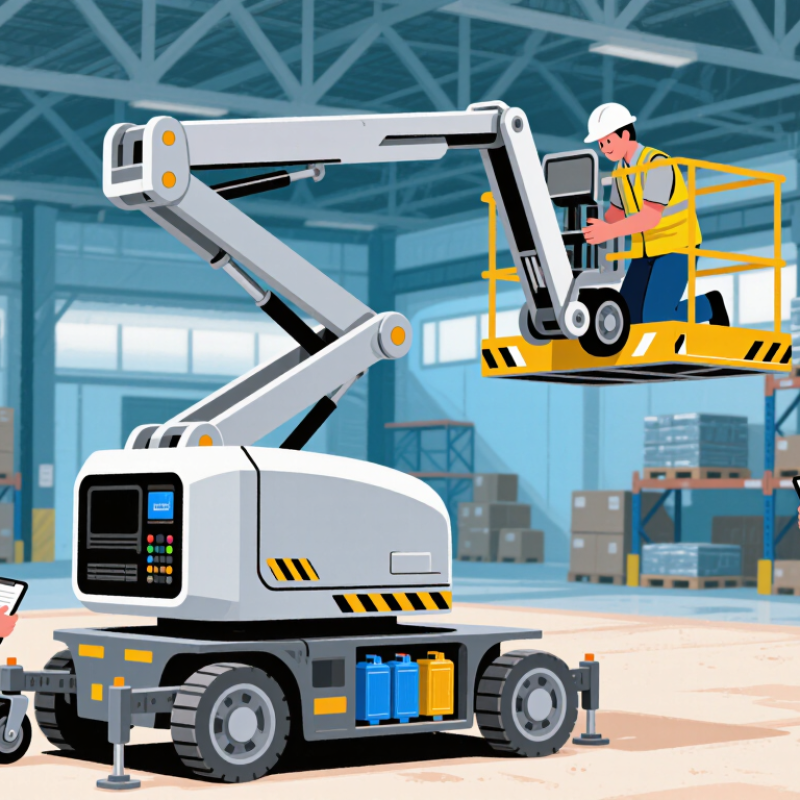
What Defines a Mobile Lifting Platform in 2026?
What Defines a Mobile Lifting Platform in 2026?
A mobile lifting platform is more than a wheeled frame with a rising deck. In 2026, it means a powered work platform designed for controlled movement, elevation, and personnel protection. The system should include a stable chassis, guarded access, emergency lowering, load monitoring, and clearly marked operating limits. Outriggers, automatic interlocks, and ground-pressure guidance also matter. A narrow aisle does not excuse weak stability.
The U.S. Bureau of Labor Statistics recorded 421 fatal falls to lower levels in construction during 2023. This figure shows why platform stability must be verified, not assumed. A competent operator checks slope, surface strength, wind exposure, platform load, and overhead risks before moving upward. ISO 16368 and related regional standards provide technical benchmarks for design and safe operation. However, compliance alone is not enough. Field conditions change quickly.
The International Powered Access Federation’s Global Safety Report 2025 continued to identify falls from platforms as a major fatality category. That warning deserves practical attention. A platform may pass inspection yet rock slightly on damaged asphalt. I have seen how small setup errors become serious risks. Telematics can record overloads and harsh movements, but data cannot replace a careful ground assessment. Stability in 2026 is therefore a combined result of engineering, operator judgment, maintenance, and honest risk review.
How to Assess Ground Conditions Before Lifting
For 2026 mobile lifting platforms, stability begins before the machine leaves its transport position.
Ground assessment should be treated as a lifting task, not a routine walk-around. Check the surface for soft patches, cracks, standing water, loose gravel, and hidden voids. Recent rain can weaken soil beneath a firm-looking crust.
Measure the slope with a digital level, and inspect the platform’s planned travel route. A small gradient may become dangerous when the platform turns or raises its load.
Confirm the manufacturer’s required ground bearing pressure, then compare it with site information from a competent ground professional. When reliable soil data is unavailable, use suitable load-spreading mats or engineered support. Do not guess.
Pay special attention near trenches, drains, recently backfilled areas, and underground services. Their edges may collapse under outrigger or wheel loads. Keep the machine away from unsupported margins, even when the surface appears compact. Recheck the ground after heavy rain, freezing conditions, excavation, or vehicle movement. Conditions change quickly.
A visual inspection is not enough. That is an easy mistake to make.
I have seen teams focus on the platform’s rated capacity while overlooking weak soil beneath one support point. Level the equipment only on stable ground, and confirm that every wheel or outrigger carries firm, even contact.
If the surface cannot be verified, postpone lifting and request a qualified assessment. Safety depends on evidence, not confidence.
Which Stability Systems Prevent Platform Movement?
For 2026 mobile lifting platforms, stability begins before the deck rises. A wide wheelbase lowers center-of-gravity risk during positioning. Outriggers or stabilizer legs then transfer loads directly to the ground. Each leg should have a positive locking mechanism, not friction alone. On a tiled floor, even a small slope can encourage unwanted movement. Leveling indicators and adjustable feet help operators correct this condition. Do not trust appearance.
Wheel brakes stop rolling, but they do not replace structural stabilization. The most reliable systems combine wheel locks, automatic interlocks, and ground-sensing controls. An interlock should prevent elevation when a leg is retracted or poorly seated. Some designs also use self-leveling sensors to monitor platform angle continuously. If the measured angle exceeds the equipment limit, lifting should stop. This response matters near shelving, doorways, and uneven concrete. Small gaps matter.
Load distribution is equally important. Keep tools centered, avoid sudden transfers, and respect the rated capacity. A platform may feel steady while carrying an uneven side load. From field inspections, the best results come from simple checks repeated consistently. Operators should examine tires, pins, hydraulic leaks, sensor alarms, and contact pads before use. Manufacturer manuals and applicable workplace standards should guide inspection intervals and safe operating limits. Still, no system removes every risk. Wet surfaces, soft soil, and hurried setup can defeat good engineering. That is the uncomfortable part. A trained operator must reassess conditions whenever the platform moves.
How to Inspect Stability After Each Lifting Task
2026 Top Mobile Lifting Platforms: How to Ensure Stability
How to Inspect Stability After Each Lifting Task
After every lifting task, lower the platform completely before starting an inspection. Park it on firm, level ground, away from soft soil, drains, and vehicle traffic. Check each wheel for cuts, uneven wear, or embedded debris. Inspect brakes, caster locks, outriggers, and ground-contact pads. A clean platform can still be unstable.
Walk around the machine slowly. Look for bent rails, loose bolts, cracked welds, damaged guardrails, and hydraulic oil beneath the chassis. Examine the mast, lifting arms, chains, and pins for unusual movement. Test emergency stop controls and warning alarms according to the operating manual. If the platform leaned, vibrated, or moved unexpectedly, remove it from service and report the condition to a qualified technician.
Tips: Keep the inspection area bright and dry. Record the date, load, ground condition, and defects found. Use a calibrated level when the surface appears questionable. Never rely only on yesterday’s checklist. Small changes matter. A missing pad or slowly leaking cylinder may not look serious, yet it can affect stability during the next lift. Recheck after relocation, because a platform stable indoors may shift on gravel or sloped concrete. Personnel sometimes rush this step, especially after short jobs. That habit needs correction.
Conclusion
This guide explains how to ensure stability of mobile lifting platforms in 2026, beginning with the features that define modern equipment, such as a movable base, adjustable supports, leveling controls, load monitoring, and safety interlocks. Before lifting, operators should assess the ground for firmness, slope, moisture, cracks, underground voids, and nearby edges. The platform must be positioned on a stable surface with sufficient clearance, while outriggers, wheel locks, support pads, and automatic leveling systems should be correctly engaged to prevent unwanted movement.
Safe operation depends on following the rated load, keeping the platform balanced, maintaining clear communication, and avoiding sudden movements or unsafe weather conditions. Operators should complete a setup check before raising the platform and remain alert to changes in ground conditions or equipment behavior. After every lifting task, inspect the base, wheels, outriggers, leveling components, structural connections, and control systems. Recording any movement, damage, or irregularity helps ensure that problems are corrected before the next operation.
 Benefits Machinery
